
Massage Therapy vs. Assisted Stretching: Which Recovery Method Wins?
Recovery is not merely a luxury for athletes; it is a physiological necessity for anyone maintaining an active lifestyle. According to recent sports medicine data, consistent recovery protocols can reduce injury risk by up to 30% while improving overall performance metrics. In the Kingdom of Bahrain, where heat and humidity often exacerbate muscle fatigue, choosing the right recovery tool is critical. This analysis compares two premier modalities: professional massage therapy and assisted stretching. Both offer distinct advantages for tissue health, mobility, and pain management. Understanding the specific mechanisms of each allows you to select the optimal strategy for your body's immediate needs.
Mechanism of Action: How They Work
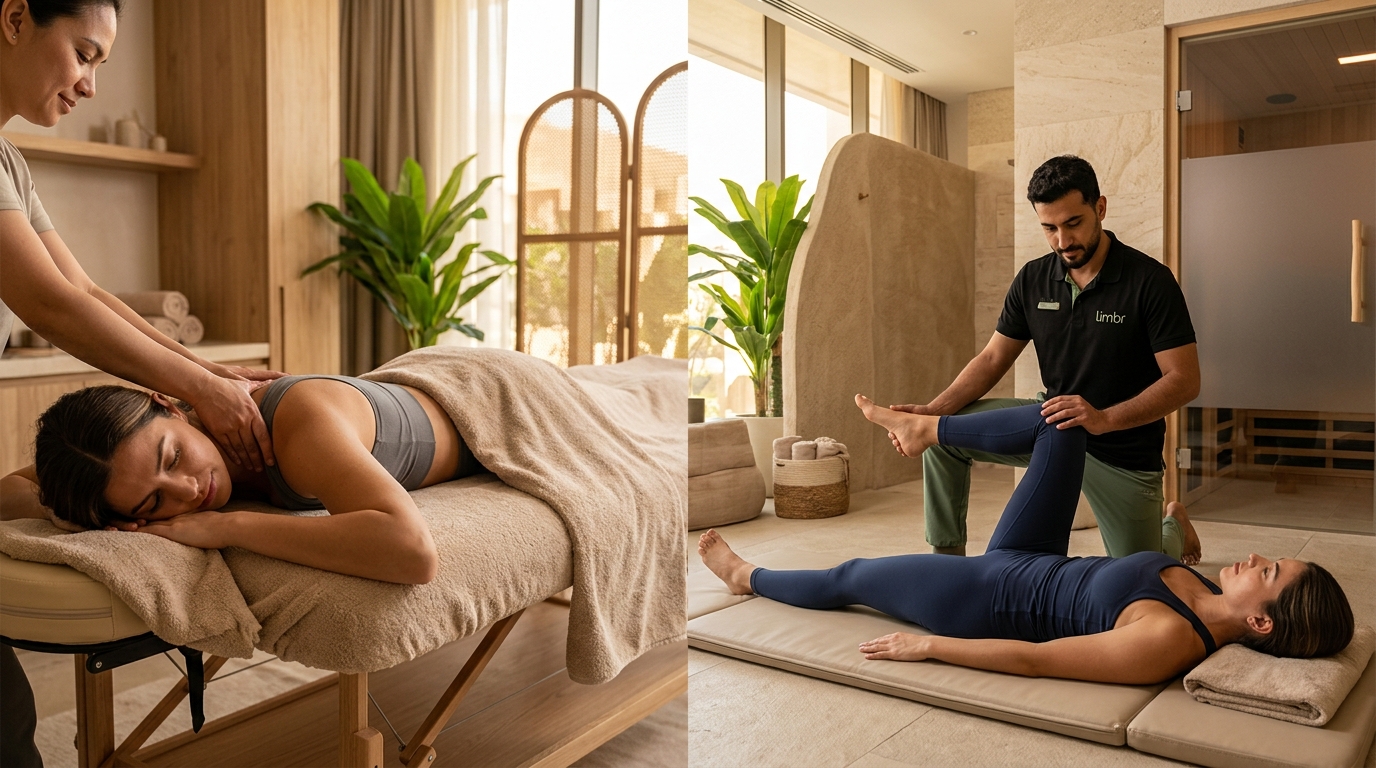
To understand the benefits, we must first define the core processes. Massage therapy is a manual manipulation of soft body tissues to enhance circulation, reduce tension, and promote relaxation. It relies on pressure applied by hands, elbows, or specialized tools to affect muscle fibers and fascia. Assisted stretching is a passive flexibility technique where a practitioner guides the client through range-of-motion exercises. This method leverages the body's natural reflexes to allow deeper, safer stretching than self-mobility work.
Massage therapy primarily targets the density and texture of the muscle tissue. It breaks down adhesions, known as trigger points, that form due to overuse or stress. The physical pressure increases blood flow to the area, delivering oxygen and nutrients while flushing out metabolic waste products like lactic acid. This process is particularly effective for localized pain and deep tissue knots. (About)
Assisted stretching, conversely, focuses on the length and elasticity of the muscle-tendon unit. By passively moving a joint through its full range of motion, the practitioner helps reset the muscle's resting length. This is crucial for individuals who suffer from chronic tightness or restricted movement patterns. The technique often utilizes the principle of reciprocal inhibition, where contracting one muscle group allows the opposing group to relax and lengthen further.
Pain Relief and Tissue Repair
Pain management is often the primary driver for seeking recovery services. Massage therapy excels in addressing acute and chronic pain conditions. Research indicates that massage can stimulate the parasympathetic nervous system, which lowers cortisol levels and reduces the perception of pain. For conditions such as lower back pain, neck tension, or sports injuries, direct manual therapy provides immediate relief by calming irritated nerve endings.
Assisted stretching offers a different type of pain relief by addressing the root cause of stiffness. When muscles remain shortened for prolonged periods, they can pull on joints, leading to compensatory pain patterns. By restoring proper muscle length, assisted stretching alleviates this tension. It is particularly beneficial for individuals with sedentary jobs or those who experience morning stiffness due to inactivity.
Both modalities contribute to tissue repair, but through different pathways. Massage promotes healing by increasing local circulation and reducing inflammation. Assisted stretching prevents scar tissue formation and maintains the pliability of connective tissues. For optimal results, many clients in Bahrain combine both approaches to address both the symptom (pain) and the structural issue (tightness).
Mobility and Flexibility Gains
Flexibility is a key component of physical performance and daily comfort. Assisted stretching is generally superior for immediate gains in range of motion. Because the practitioner controls the movement, they can push the muscle beyond the point where the client can safely go alone. This passive approach allows for deeper stretches without the risk of overexertion or injury.
Massage therapy improves mobility indirectly by reducing muscle stiffness and breaking down adhesions. While it may not provide the same immediate increase in range of motion as stretching, it prepares the tissue for more effective stretching. Regular massage can lead to long-term improvements in flexibility by maintaining the health and elasticity of the fascia.
For athletes and fitness enthusiasts, the choice depends on their training cycle. Pre-workout, assisted stretching may be more beneficial to prepare the muscles for movement. Post-workout, massage therapy can help reduce soreness and speed up recovery. Integrating both into a weekly routine ensures balanced muscular development and joint health.
Stress and Nervous System Impact
The mind-body connection is a critical aspect of recovery. Both massage therapy and assisted stretching have profound effects on the nervous system. Massage therapy is widely recognized for its ability to induce a state of deep relaxation. The rhythmic pressure and touch stimulate the release of oxytocin and serotonin, hormones associated with well-being and happiness.
Assisted stretching also promotes relaxation by engaging the parasympathetic nervous system. The gentle, controlled movements help to calm the mind and reduce anxiety. For individuals dealing with high levels of stress, the meditative aspect of assisted stretching can be particularly soothing. It encourages mindfulness and body awareness, helping clients reconnect with their physical state.
In the context of Bahrain's fast-paced lifestyle, stress management is essential. Both services offer a sanctuary from daily pressures. Massage therapy provides a more intense sensory experience, while assisted stretching offers a gentle, grounding presence. Choosing between them can depend on your current stress levels and personal preference for touch.
Service Comparison Overview
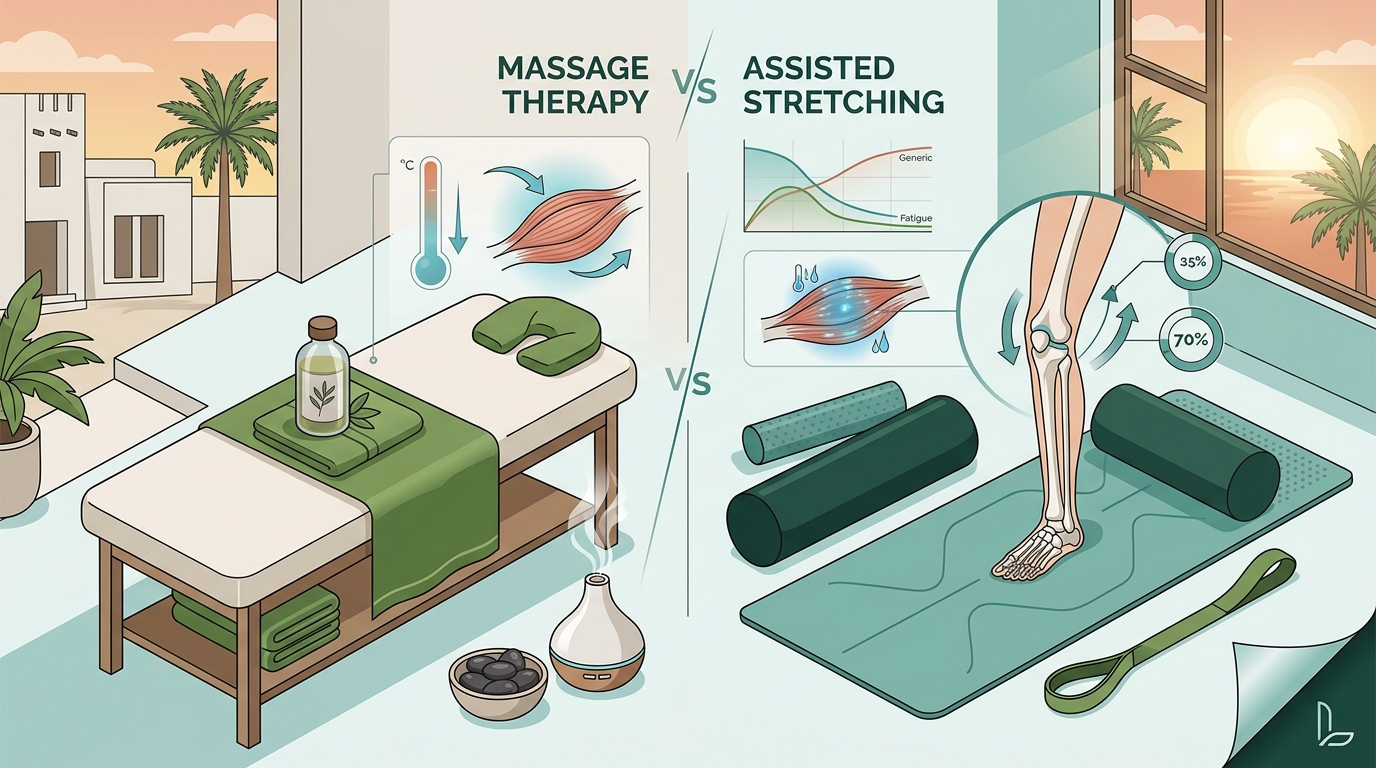
The following table summarizes the key differences between massage therapy and assisted stretching to help you make an informed decision.
| Feature | Massage Therapy | Assisted Stretching |
|---|---|---|
| Primary Goal | Pain relief and tissue manipulation | Flexibility and range of motion |
| Technique | Manual pressure and kneading | Passive guided movement |
| Best For | Acute pain, knots, stress | Stiffness, pre/post-workout |
| Duration | 60-90 minutes typical | 30-60 minutes typical |
| Touch Level | High, direct contact | Low to moderate, supportive |
Key Takeaways
- Mechanism Difference: Massage therapy manipulates soft tissue to reduce tension, while assisted stretching passively guides the body through range-of-motion exercises.
- Pain Management: Massage is superior for immediate pain relief and breaking down trigger points, whereas stretching addresses chronic tightness and joint alignment.
- Flexibility Gains: Assisted stretching provides more immediate improvements in range of motion due to its passive nature and use of reciprocal inhibition.
- Stress Reduction: Both modalities activate the parasympathetic nervous system, but massage offers a more intense sensory experience for deep relaxation.
- Complementary Benefits: Combining both services yields the best results for overall recovery, injury prevention, and performance optimization.
- Local Context: In Bahrain's climate, regular recovery is essential to combat heat-induced muscle fatigue and maintain mobility.
- Professional Guidance: Both services require trained practitioners to ensure safety and effectiveness, making professional sessions more valuable than DIY approaches.
Frequently Asked Questions
Is massage therapy or assisted stretching better for muscle soreness?
Massage therapy is generally more effective for immediate muscle soreness (DOMS) as it increases blood flow and helps flush out metabolic waste. Assisted stretching can help prevent future soreness by maintaining flexibility.
Can I do assisted stretching if I have a recent injury?
It depends on the injury. Always consult with a healthcare provider before starting any new recovery regimen. Assisted stretching can be gentle and therapeutic, but it must be tailored to your specific condition.
How often should I get massage therapy?
For general wellness, once a month may suffice. For athletes or those with chronic pain, weekly or bi-weekly sessions are often recommended to maintain tissue health and manage symptoms.
What is the difference between deep tissue massage and sports massage?
Deep tissue massage focuses on releasing chronic tension in the deeper layers of muscle and fascia. Sports massage is tailored to athletes, focusing on areas of the body that are overused and stressed from repetitive activities.
Does assisted stretching hurt?
It should not hurt. You may feel a strong sensation of stretch, but it should be tolerable. A skilled practitioner will always respect your limits and adjust the pressure accordingly.
Can I combine both services in one session?
Yes, many clients benefit from a combination. A common approach is to stretch first to warm up the tissues, followed by massage to release tension and promote relaxation.
Is assisted stretching suitable for beginners?
Absolutely. Assisted stretching is ideal for beginners because the practitioner does the work, allowing you to relax and experience the benefits without the effort of self-stretching.
Book Your Recovery Session
Whether you choose the deep relief of massage therapy or the flexibility gains of assisted stretching, prioritizing your recovery is an investment in your long-term health. At Limbr, we offer expert practitioners dedicated to helping you achieve your wellness goals. Experience the difference of professional care tailored to your needs. Explore our recovery services and book your appointment today to start your journey to better health.