
The global wellness industry has undergone a radical transformation in recent years, shifting from purely aesthetic fitness goals to comprehensive physiological and mental health optimization. According to recent market analysis, the global wellness economy is projected to reach $8.5 trillion by 2025, driven largely by a consumer demand for preventative care and sustainable health practices. This surge reflects a broader cultural shift where individuals no longer view wellness as a temporary fix but as a continuous, integrated lifestyle. At LIMBR, we observe this evolution daily, as clients seek more than just weight loss or muscle gain; they demand systems that support long-term vitality, pain-free movement, and mental clarity. Understanding these trends is essential for anyone looking to align their health routine with the most effective, evidence-based practices available today. (Wellness industry statistics)
The Rise of Mobility as a Necessity
In 2026, mobility training has moved from the periphery of fitness culture to the center of health optimization. Mobility is defined as the ability of a joint to move actively through a full range of motion with strength and control. Unlike flexibility, which is passive, mobility requires active engagement of muscles to stabilize and move the body. This distinction is critical for athletes and non-athletes alike, as it directly impacts daily function and injury prevention.
Historically, fitness routines prioritized static stretching or heavy lifting. However, modern research indicates that static stretching alone does not significantly reduce injury risk and may even temporarily weaken muscle performance if done incorrectly. Instead, dynamic mobility work prepares the body for activity by increasing blood flow and neural activation. At LIMBR, our signature mobility for life program is designed specifically to address these needs, helping clients cultivate better body functionality and stability for day-to-day life.
The trend toward mobility is also driven by the aging population. As people live longer, the quality of that life depends heavily on their ability to move without pain. Mobility training improves range of motion, reduces pain, and helps individuals maintain independence as they age. This is not just a luxury for the young; it is a necessity for everyone seeking a pain-free existence.
Holistic Recovery: Beyond the Gym
Recovery is no longer an afterthought; it is a primary pillar of wellness. The latest trends show a significant increase in the adoption of therapeutic services such as infrared heat treatment, sauna, cold plunge, and sensory deprivation tanks. These modalities are not merely relaxing; they are physiological tools that accelerate healing and reduce systemic inflammation. (Global Wellness Economy)
For instance, cold plunge therapy has gained massive popularity for its ability to reduce muscle soreness and improve circulation. Conversely, infrared heat treatment penetrates deep into tissues to promote relaxation and detoxification. When combined, these therapies create a powerful recovery protocol that supports both physical and mental well-being. LIMBR offers a unique range of therapeutic services that integrate these modalities, providing a comprehensive approach to recovery that goes beyond traditional massage or foam rolling.
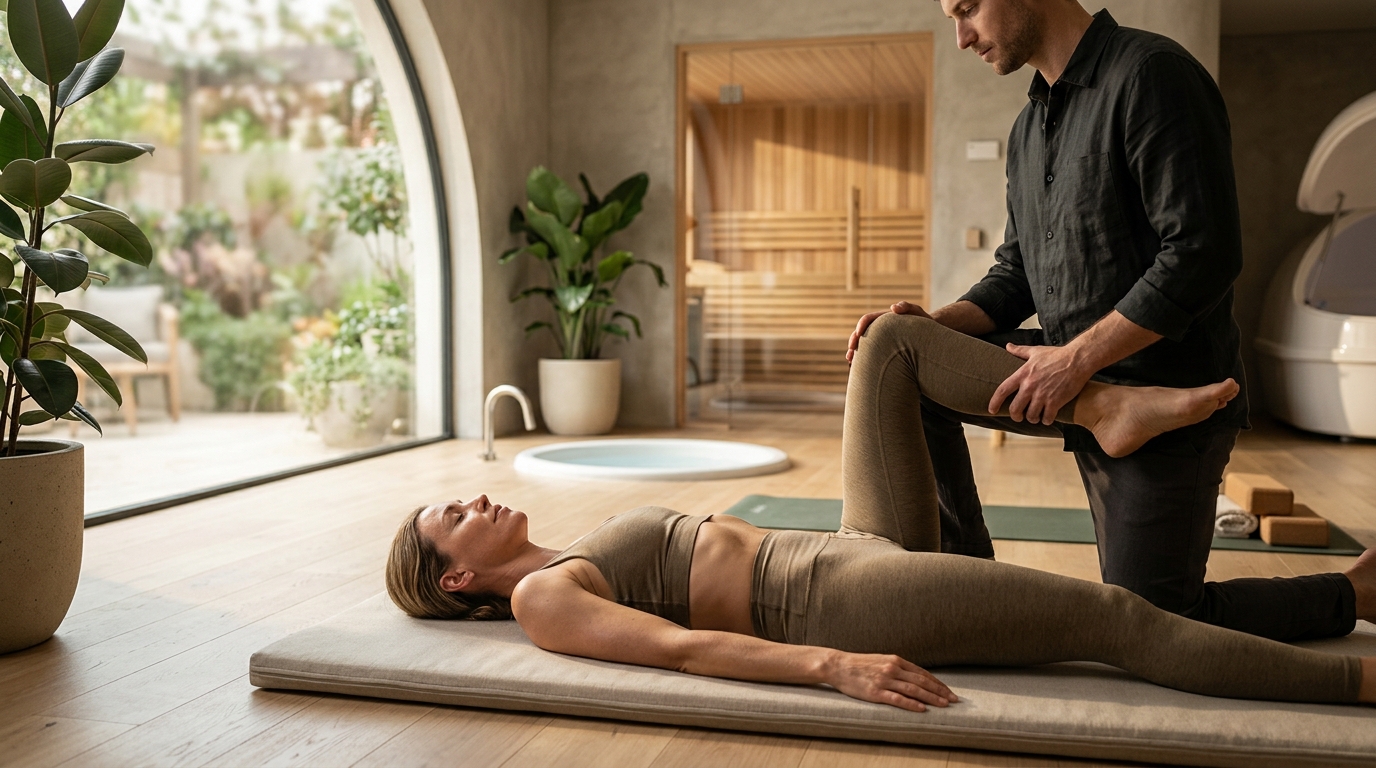
The concept of holistic recovery also includes the integration of assisted stretching. Assisted stretching allows a trained professional to guide your body through stretches that you might not be able to achieve alone. This ensures proper alignment and maximizes the benefits of each stretch, leading to faster improvements in flexibility and reduced risk of injury. This service is particularly beneficial for those recovering from injuries or dealing with chronic stiffness.
Integrating Mental and Physical Health
The separation between mental and physical health is increasingly viewed as artificial. Modern wellness trends emphasize the interconnectedness of the two, recognizing that physical movement directly impacts mental state. Mobility training, for example, is not just about joint health; it is also a powerful tool for stress relief and mental health improvement. (Wellness Economy Statistics)
When the body moves freely, it releases tension stored in the muscles, which often correlates with emotional stress. This is why practices like yoga fusion and mindful movement are gaining traction. FLOW Yoga Fusion, available at LIMBR, combines Vinyasa and Hatha Yoga to enhance flexibility while providing the calming benefits of yoga. This dual approach helps individuals manage stress while improving their physical fitness.
Furthermore, the rise of sensory deprivation tanks highlights the demand for mental reset. These tanks eliminate external sensory input, allowing the brain to enter a state of deep relaxation. This practice has been shown to reduce anxiety and improve focus, making it a valuable tool for professionals dealing with high levels of stress. By integrating these mental health-focused practices into physical wellness routines, individuals can achieve a more balanced and resilient state of being.
Combating the Sedentary Lifestyle
One of the most pressing issues in modern wellness is the sedentary lifestyle. With the rise of remote work and digital entertainment, many individuals spend the majority of their day sitting. This inactivity leads to a host of health problems, including back pain, poor posture, and decreased metabolic health. Mobility training is a critical countermeasure to this trend. (Global Wellness Economy)
At LIMBR, we believe that mobility is a necessity, not a luxury. Our programs are tailored to help individuals combat the effects of inactivity by strengthening their bodies and enhancing their mobility. Whether you are an office worker or an athlete, regular mobility work can help you regain independence and live pain-free. Our about page details our mission to revolutionize wellness care by helping individuals achieve physical and mental balance.
The benefits of addressing sedentary behavior extend beyond physical health. Improved mobility leads to increased productivity and reduced absenteeism in the workplace. When employees are physically comfortable and mobile, they are more focused and engaged. This is why many forward-thinking companies are beginning to incorporate wellness programs that include mobility and recovery services as part of their employee benefits.

Technology in Modern Wellness
Technology continues to play a pivotal role in the evolution of wellness. From wearable devices that track heart rate variability to apps that guide meditation, tech is making wellness more accessible and personalized. However, the human element remains irreplaceable. While technology can provide data, it cannot provide the tactile feedback and personalized guidance that a trained professional offers.
This is where the integration of technology and human expertise becomes powerful. At LIMBR, we use evidence-based techniques to ensure that every session is tailored to the individual's needs. Our state-of-the-art facilities are equipped with cutting-edge tools designed for comfort, focus, and recovery. This combination of advanced technology and expert human care ensures that clients receive the highest quality of service.
Moreover, the rise of telehealth and virtual coaching has expanded access to wellness services. Individuals can now receive guidance on mobility exercises and recovery techniques from the comfort of their homes. However, for complex issues or deep recovery needs, in-person sessions remain essential. LIMBR offers both on-site classes and personalized services to meet the diverse needs of our clients.
Key Takeaways
- Mobility is Essential: Mobility training is no longer optional; it is a critical component of long-term health and injury prevention for all ages.
- Recovery is Proactive: Utilizing therapies like cold plunges, infrared heat, and assisted stretching accelerates physical recovery and reduces inflammation.
- Mental-Physical Link: Practices that combine movement with mindfulness, such as FLOW Yoga Fusion, effectively address both physical stiffness and mental stress.
- Combating Sedentary Life: Regular mobility work is the most effective countermeasure to the health risks associated with prolonged sitting and inactivity.
- Holistic Approach: The most effective wellness strategies integrate physical training, therapeutic recovery, and mental relaxation into a cohesive routine.
- Expert Guidance: While technology aids tracking, personalized guidance from certified professionals ensures safe and effective progress in mobility and recovery.
- Workplace Wellness: Companies are increasingly recognizing the link between employee mobility and productivity, leading to new corporate wellness initiatives.
Frequently Asked Questions
What is the difference between flexibility and mobility?
Flexibility is the passive ability of a muscle to stretch, while mobility is the active ability of a joint to move through a full range of motion with strength and control. Mobility requires both flexibility and strength.
How often should I do mobility training?
For optimal results, mobility training should be incorporated into your routine daily or at least several times a week. Even short sessions can significantly improve your range of motion and reduce stiffness.
What are the benefits of assisted stretching?
Assisted stretching allows for deeper stretches than you can achieve alone, ensuring proper alignment and maximizing benefits. It helps improve flexibility, reduce muscle tension, and accelerate recovery after workouts.
Is cold plunge therapy safe for everyone?
While cold plunge therapy offers many benefits, it may not be suitable for everyone, particularly those with certain cardiovascular conditions. It is always recommended to consult with a healthcare professional before starting new therapeutic practices.
How can mobility training help with back pain?
Mobility training strengthens the muscles around the spine and improves joint function, which can alleviate pressure on the back. It also corrects postural imbalances that often contribute to chronic back pain.
What is FLOW Yoga Fusion?
FLOW Yoga Fusion is a class at LIMBR that combines Vinyasa and Hatha Yoga. It is designed to enhance flexibility and mobility while providing the calming benefits of yoga, making it ideal for stress relief and general toning.
Does LIMBR offer corporate wellness programs?
Yes, LIMBR is committed to supporting workplace wellness. We offer tailored programs that help employees improve their mobility, reduce stress, and enhance overall well-being, leading to increased productivity and job satisfaction.
Begin Your Transformation
The latest wellness trends highlight a clear shift toward proactive, holistic health. By prioritizing mobility, recovery, and mental balance, you can unlock your body's true potential and live a more vibrant, pain-free life. At LIMBR, we are here to guide you every step of the way with our evidence-based programs and state-of-the-art facilities. Take the first step toward a healthier you by booking a session today. Visit us at Pavilion Centre, Al Seef, Manama, Bahrain, or call +973 1723 0300 to schedule your consultation. (Wellness industry statistics)