
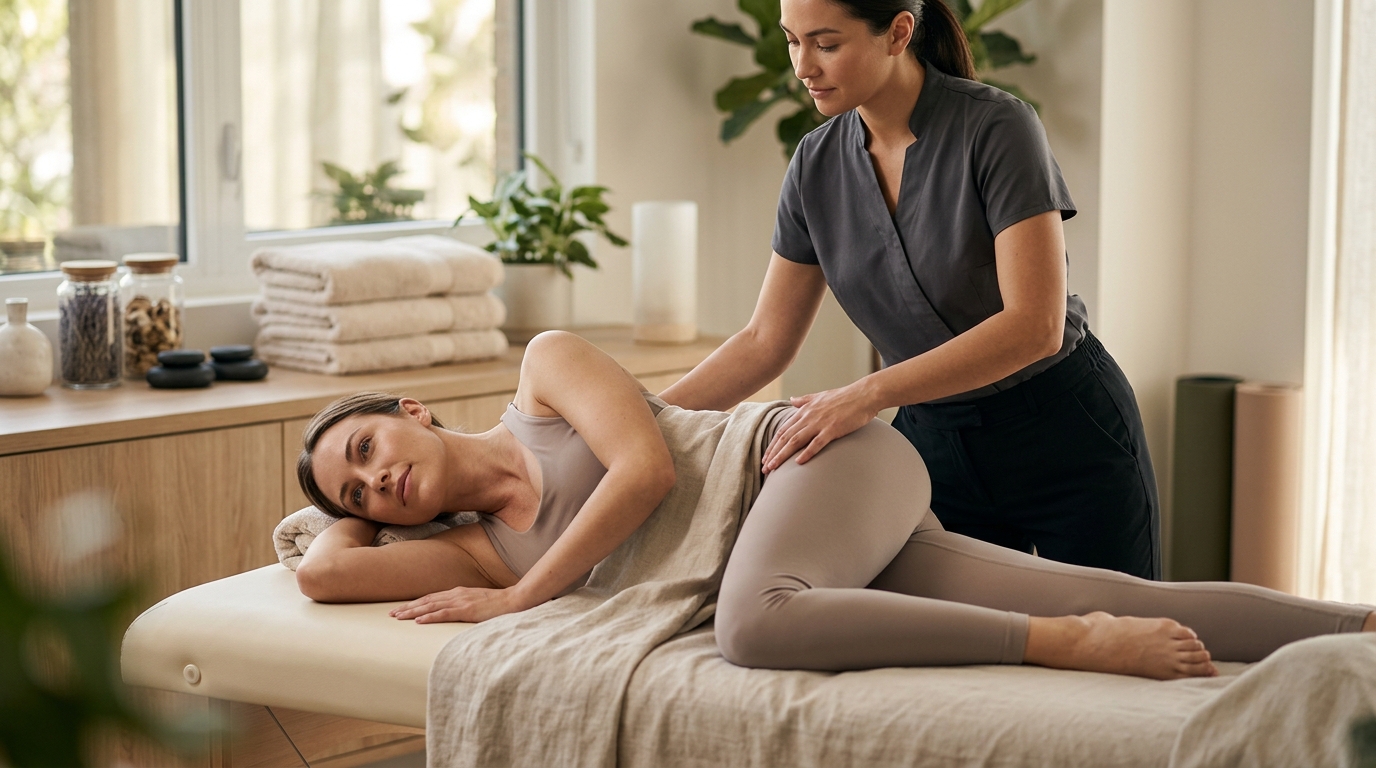
Recovery is not merely a luxury for athletes; it is a biological necessity for anyone seeking to maintain physical longevity. According to recent industry data, over 60% of adults experience chronic muscle tension due to sedentary lifestyles, making effective recovery protocols critical for daily function. While traditional massage therapy has long been the gold standard for soft tissue manipulation, assisted stretching has emerged as a highly efficient alternative for improving range of motion. Understanding the distinct physiological mechanisms of each method allows you to select the intervention that aligns with your specific physical goals.
Understanding the Core Mechanisms
To make an informed decision, one must first understand how each therapy interacts with the human body. Massage therapy primarily targets the superficial and deep layers of muscle tissue through manual pressure. This pressure stimulates blood flow and triggers the parasympathetic nervous system, promoting relaxation. In contrast, assisted stretching focuses on the lengthening of muscle fibers and the improvement of joint range of motion. By passively moving a limb beyond its active limit, the therapist helps overcome the stretch reflex, allowing for greater flexibility gains.
At LIMBR, we recognize that these are not mutually exclusive but rather complementary approaches. The choice between them depends on whether your primary need is tension release or structural mobility enhancement. Both methods require professional expertise to ensure safety and efficacy, which is why our team of certified specialists tailors each session to individual biomechanical needs.
The Deep Tissue Benefits of Massage
Massage therapy is a hands-on technique where soft body tissues are manipulated to enhance health and well-being. It is particularly effective for individuals dealing with acute pain, chronic tension, or stress-induced muscle tightness. The primary benefit lies in its ability to break down adhesions and knots within the muscle fibers, which can restrict movement and cause pain.
One of the most significant advantages of massage is its impact on mental health. Studies indicate that regular massage can significantly lower cortisol levels, the body's primary stress hormone. This reduction in stress leads to improved sleep quality and a general sense of calm. For professionals with sedentary jobs, massage therapy offers a crucial counterbalance to the physical strain of prolonged sitting.
Furthermore, massage therapy promotes lymphatic drainage, which helps remove metabolic waste products from the muscles. This process accelerates recovery after intense physical activity by reducing inflammation and swelling. If you are looking for a holistic approach that addresses both physical discomfort and mental fatigue, massage therapy remains a cornerstone of wellness care.
The Mobility Advantages of Assisted Stretching
Assisted stretching is a passive form of flexibility training where a therapist guides your body through specific stretches. Unlike self-stretching, where you may hesitate due to fear of injury, assisted stretching allows you to relax completely into the movement. This relaxation is key to overcoming the myotatic reflex, which is the body's natural resistance to being stretched too quickly.
The primary benefit of assisted stretching is the immediate improvement in range of motion. This is particularly valuable for athletes who need to maintain peak performance levels. By increasing flexibility, you reduce the risk of muscle strains and joint injuries during physical activity. At LIMBR, our mobility classes are designed to enhance posture and reduce discomfort for people of all ages and activity levels.
Another critical advantage is the correction of muscle imbalances. Modern lifestyles often lead to shortened hip flexors and tight hamstrings due to excessive sitting. Assisted stretching targets these specific areas, restoring balance to the muscular system. This balance is essential for efficient movement patterns and overall physical health. Regular sessions can help reverse the effects of a sedentary lifestyle, making you more agile and less prone to injury.
Comparative Analysis of Recovery Modalities
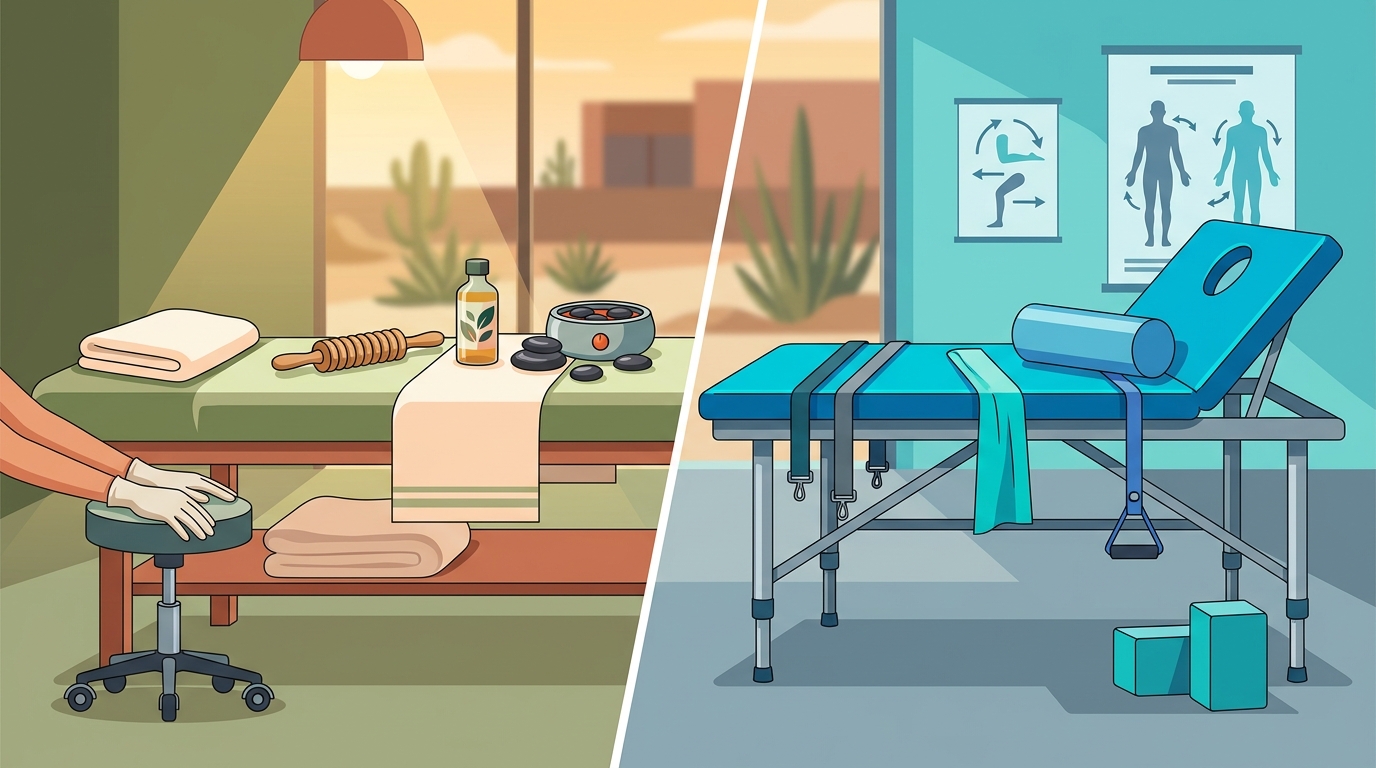
Choosing between massage therapy and assisted stretching can be challenging without a clear understanding of their distinct outcomes. The following table summarizes the key differences to help you decide which modality best suits your current physical needs.
| Feature | Massage Therapy | Assisted Stretching |
|---|---|---|
| Primary Goal | Relaxation and tension release | Improved range of motion |
| Technique | Manual pressure and kneading | Passive limb movement |
| Best For | Acute pain and stress | Flexibility and injury prevention |
| Physiological Effect | Increased blood flow | Lengthened muscle fibers |
| Mental Impact | High stress reduction | Moderate relaxation |
As seen in the comparison, the decision often comes down to your immediate priority. If you are feeling mentally drained and physically knotted, massage therapy may be the better choice. However, if you are looking to improve your athletic performance or correct postural issues, assisted stretching offers more targeted benefits. Many clients at LIMBR find that combining both therapies yields the most comprehensive results.
Key Takeaways for Your Recovery Strategy
- Mechanism Distinction: Massage therapy manipulates soft tissue for relaxation, while assisted stretching passively lengthens muscles for mobility.
- Pain Management: Massage is superior for addressing acute pain and breaking down muscle adhesions.
- Flexibility Gains: Assisted stretching provides faster and more significant improvements in range of motion.
- Sedentary Counteraction: Both therapies combat the effects of sitting, but stretching specifically targets shortened hip flexors.
- Stress Relief: Massage therapy has a more pronounced effect on lowering cortisol levels and promoting mental calm.
- Injury Prevention: Regular assisted stretching reduces the risk of strains by improving muscle elasticity.
- Professional Guidance: Both modalities require certified experts to ensure safety and maximize therapeutic outcomes.
Frequently Asked Questions
Which is better for chronic back pain?
Massage therapy is often more effective for chronic back pain as it directly addresses muscle tension and trigger points. However, assisted stretching can help if the pain is caused by tight hamstrings or hip flexors pulling on the spine.
Can I do both in the same session?
Yes, combining both therapies can provide a synergistic effect. Many wellness centers, including LIMBR, offer integrated sessions that utilize stretching to prepare the muscles for deeper massage work.
How often should I receive these treatments?
For optimal results, receiving one session per week is recommended for acute issues. For maintenance, bi-weekly sessions are sufficient for most individuals to prevent injury and maintain mobility.
Is assisted stretching painful?
Assisted stretching should not be painful. You may feel a strong sensation of tension release, but sharp pain indicates that the stretch is too aggressive. A skilled therapist will always respect your limits.
Does massage therapy improve flexibility?
While massage primarily relaxes muscles, it can indirectly improve flexibility by reducing tension that restricts movement. However, it does not actively lengthen the muscle fibers like assisted stretching does.
Who should avoid massage therapy?
Individuals with certain skin conditions, blood clotting disorders, or recent surgeries should consult a physician before receiving massage therapy. Always disclose your medical history to your therapist.
What is the difference between deep tissue and sports massage?
Deep tissue massage targets the deeper layers of muscle and connective tissue, while sports massage is focused on areas of the body that are overused and stressed from repetitive activities.
Start Your Recovery Journey
Choosing the right recovery method is a personal decision that depends on your unique physical needs and goals. Whether you seek the deep relaxation of massage or the mobility gains of assisted stretching, professional guidance is essential. At LIMBR, Bahrain’s pioneering wellness center, we offer evidence-based mobility and flexibility training designed to help you thrive. Explore our tailored programs and book your first session today to unlock your body's true potential.