
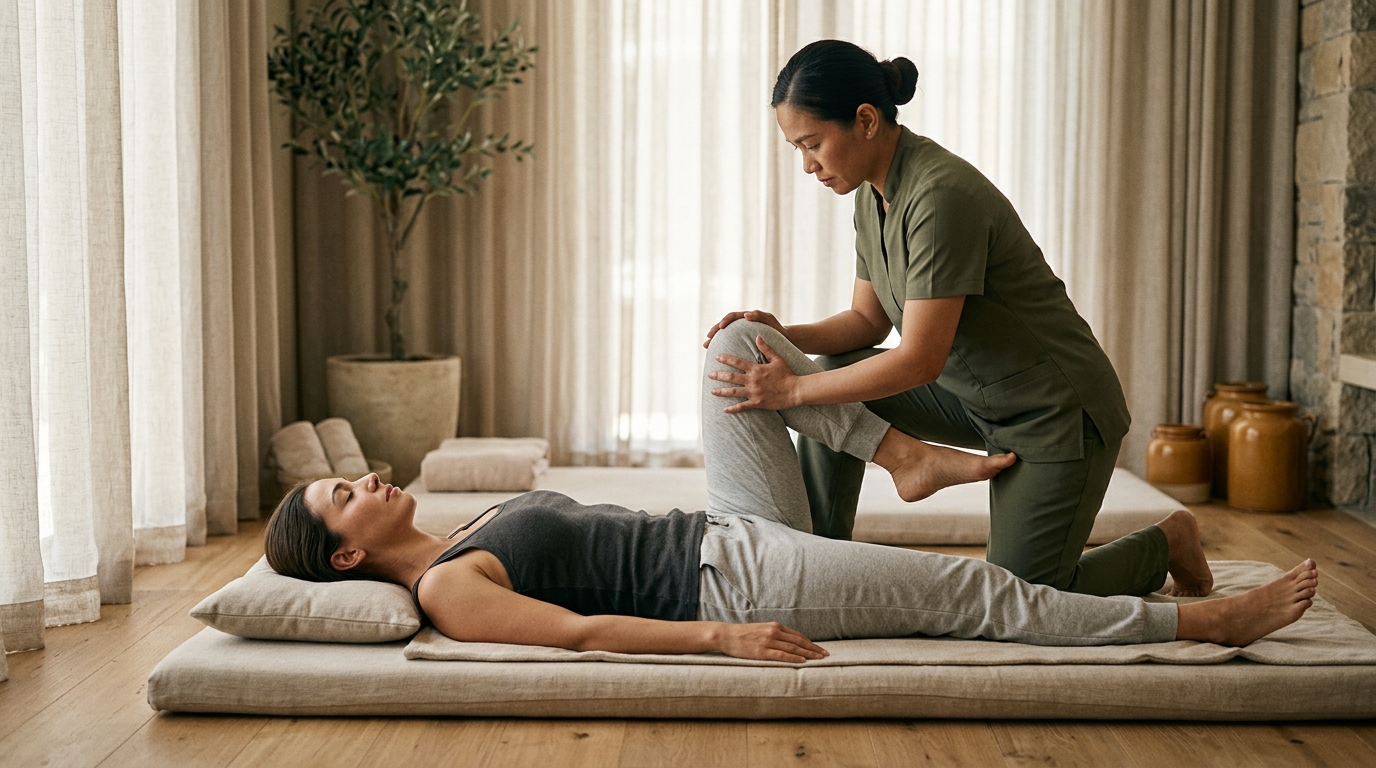
Assisted stretching is a therapeutic practice where a trained professional manually guides your body through specific stretches to improve flexibility and range of motion. Unlike self-stretching, this method allows you to relax completely into the stretch, bypassing the body's natural protective reflexes that often limit your progress. Recent industry data indicates that over 60% of adults suffer from chronic stiffness due to sedentary lifestyles, making professional assisted stretching an increasingly vital component of modern wellness routines. This guide explores how this technique transforms physical health, accelerates recovery, and enhances overall quality of life.
What Is Assisted Stretching?
Assisted stretching is [definition: a therapeutic practice where a trained professional manually guides your body through specific stretches to improve flexibility and range of motion]. At its core, this technique leverages the expertise of certified trainers to apply precise pressure and leverage to your muscles. This approach allows for a deeper stretch than you could achieve alone, as the therapist helps you relax into the position. The goal is not just to lengthen muscles but to reset the nervous system's perception of your body's limits.
At LIMBR, we specialize in evidence-based mobility training that integrates these manual techniques with holistic wellness principles. Our trainers do not simply pull your limbs; they assess your posture, identify tightness patterns, and tailor each session to your unique biomechanical needs. This personalized attention ensures that every stretch contributes to long-term structural balance rather than temporary relief.
Key Physiological Benefits
The physical advantages of regular assisted stretching extend far beyond simple flexibility. When performed correctly, this practice triggers a cascade of physiological responses that enhance your daily functioning.
Enhanced Range of Motion
One of the most immediate benefits is an expanded range of motion. Tight muscles restrict your joints, leading to compensatory movements that can cause injury elsewhere in the body. By systematically lengthening these tissues, assisted stretching restores natural joint mechanics. This is particularly crucial for individuals with sedentary jobs, where hip flexors and hamstrings often become chronically shortened.
Improved Circulation and Nutrient Delivery
Stretching promotes blood flow to the muscles, which is essential for delivering oxygen and nutrients while removing metabolic waste products like lactic acid. According to recent health reports, improved circulation can reduce muscle soreness by up to 30% after intense physical activity. This enhanced blood flow also supports faster tissue repair and maintains the elasticity of connective tissues.
Pain Reduction and Posture Correction
Chronic pain often stems from muscular imbalances. For example, tight chest muscles can pull the shoulders forward, leading to upper back pain and headaches. Assisted stretching addresses these imbalances by lengthening tight muscles and allowing opposing muscles to function correctly. This realignment naturally improves posture, reducing strain on the spine and neck. Many clients report significant reductions in lower back pain after just a few sessions.
Mobility vs. Flexibility
While often used interchangeably, mobility and flexibility are distinct concepts. Flexibility is [definition: the passive ability of a muscle to lengthen and shorten]. Mobility, however, is [definition: the active ability of a joint to move through its full range of motion with control]. You can be flexible but lack mobility if you do not have the strength to control that range.
At LIMBR, we prioritize mobility because it is functional. Flexibility alone does not guarantee safe movement. Our assisted stretching sessions are designed to work in tandem with strength training, ensuring that as your muscles lengthen, your nervous system learns to control that new range. This holistic approach prevents injury and enhances performance in both daily activities and athletic pursuits.
Recovery and Athletic Performance
For athletes and fitness enthusiasts, recovery is just as important as the workout itself. Assisted stretching serves as a powerful recovery tool, helping to break down adhesions and scar tissue that form after intense exercise. This process reduces muscle stiffness and accelerates the return to baseline function.
Data shows that athletes who incorporate regular assisted stretching into their routines experience fewer injuries and faster recovery times. By maintaining optimal muscle length and joint health, you can train harder and more frequently without the risk of overuse injuries. This is particularly beneficial for runners, weightlifters, and CrossFit athletes who place high demands on their musculoskeletal systems.
Mental Health and Stress Relief
The benefits of assisted stretching are not limited to the physical body. The practice has profound effects on mental well-being. When a therapist guides you through a stretch, it forces you to focus on your breath and release tension. This mindful engagement activates the parasympathetic nervous system, which is responsible for rest and digestion.
Studies indicate that regular relaxation techniques can significantly lower cortisol levels, the primary stress hormone. By reducing physiological stress, assisted stretching can improve sleep quality, reduce anxiety, and enhance overall mood. The combination of physical release and mental calm creates a holistic wellness experience that rejuvenates both body and mind.
What to Expect at LIMBR
Visiting LIMBR for your first assisted stretching session is a transformative experience. We have designed our process to be welcoming, professional, and highly effective.
The Initial Assessment
Before your first session, you will undergo a brief consultation. Our trainers will discuss your health history, current pain points, and fitness goals. This allows us to create a customized stretching plan that targets your specific needs. Whether you are recovering from an injury or looking to enhance athletic performance, your plan will be tailored to your unique profile.
The Session Experience
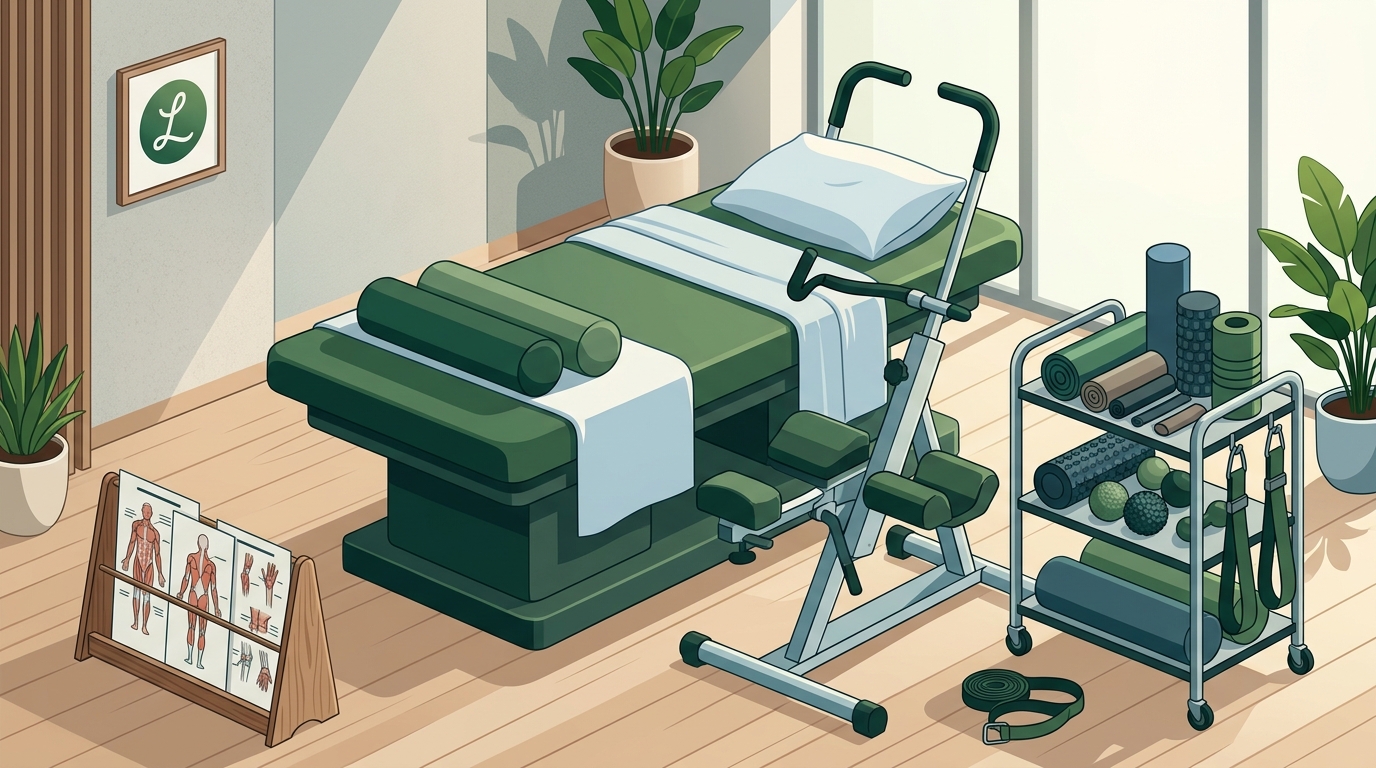
During the session, you will lie on a specialized table while your trainer works on one muscle group at a time. You will remain fully clothed, and the trainer will use their body weight and leverage to guide you into the stretch. You are encouraged to communicate openly about pressure and comfort levels. The goal is to feel a deep, relaxing stretch, never pain. Most sessions last between 30 to 60 minutes, depending on the intensity and areas of focus.
Post-Session Care
After your session, you may feel a sense of lightness and increased mobility. It is normal to feel slightly relaxed or even sleepy. We recommend staying hydrated to help flush out metabolic waste released during the stretch. Your trainer may provide specific home stretches to maintain the gains made during your session.
Assisted Stretching vs. Other Modalities
Understanding how assisted stretching compares to other wellness services can help you make informed decisions about your health. The table below outlines the key differences.
| Modality | Primary Focus | Best For | Intensity Level |
|---|---|---|---|
| Assisted Stretching | Flexibility and Range of Motion | Recovery, Pain Relief, Mobility | Low to Moderate |
| Deep Tissue Massage | Muscle Knots and Tension | Chronic Pain, Stress Relief | Moderate to High |
| Yoga | Mind-Body Connection | Strength, Balance, Flexibility | Moderate to High |
| Float Tank Therapy | Sensory Deprivation | Mental Relaxation, Stress Reduction | Very Low |
While deep tissue massage targets specific knots, assisted stretching addresses the entire muscle chain. Yoga offers similar benefits but requires active participation, which can be challenging for those in pain. Float tank therapy provides mental relaxation but lacks the physical mobility benefits of stretching. At LIMBR, we often combine these modalities for a comprehensive wellness approach.
Key Takeaways
- Assisted stretching improves range of motion by bypassing the body's protective reflexes through professional guidance.
- Regular sessions can reduce chronic pain and correct posture by addressing muscular imbalances.
- Mobility is distinct from flexibility; it involves active control of joint movement, which is critical for injury prevention.
- Athletes benefit from faster recovery times and reduced risk of overuse injuries through targeted stretching.
- The practice activates the parasympathetic nervous system, lowering stress and improving sleep quality.
- LIMBR offers personalized assessments and tailored sessions in a state-of-the-art facility in Manama, Bahrain.
- Consistency is key; monthly sessions are recommended for maintenance, while weekly sessions may be needed for acute issues.
Frequently Asked Questions
Is assisted stretching painful?
No, assisted stretching should never be painful. You should feel a deep, comfortable stretch. If you experience pain, communicate with your trainer immediately so they can adjust the pressure. The goal is relaxation and release, not discomfort.
How often should I get assisted stretching?
For general wellness and maintenance, once a month is often sufficient. However, if you are dealing with chronic pain, recovering from an injury, or are an athlete, weekly or bi-weekly sessions may be more beneficial. Your trainer at LIMBR will recommend a frequency based on your individual needs.
Can I do assisted stretching if I am not flexible?
Absolutely. Assisted stretching is ideal for those who are not flexible. In fact, it is one of the most effective ways to improve flexibility safely. Your trainer will work within your current limits and gradually increase your range of motion over time.
What should I wear to my session?
Wear comfortable, loose-fitting clothing that allows for a full range of movement. Avoid restrictive jeans or tight shirts. You will also need to remove your shoes and socks.
How long does a session last?
Standard sessions typically last between 30 to 60 minutes. Shorter sessions may focus on specific areas, while longer sessions provide a full-body treatment. You can choose the duration that best fits your schedule and goals.
Is assisted stretching suitable for seniors?
Yes, assisted stretching is highly beneficial for seniors. It helps maintain joint health, improves balance, and reduces the risk of falls. Our trainers are trained to adapt techniques for older adults, ensuring safety and comfort.
Do I need to book in advance?
Yes, we recommend booking in advance to secure your preferred time slot. You can easily book your session through our website or by calling us directly.
Begin Your Transformation
Don't let stiffness and pain hold you back. Experience the transformative power of assisted stretching at LIMBR, Bahrain's premier wellness center. Our expert trainers are ready to help you unlock your body's true potential. Visit us at Pavilion Centre, Al Seef, Manama, or book your session online today to start your journey toward a healthier, more flexible life.