
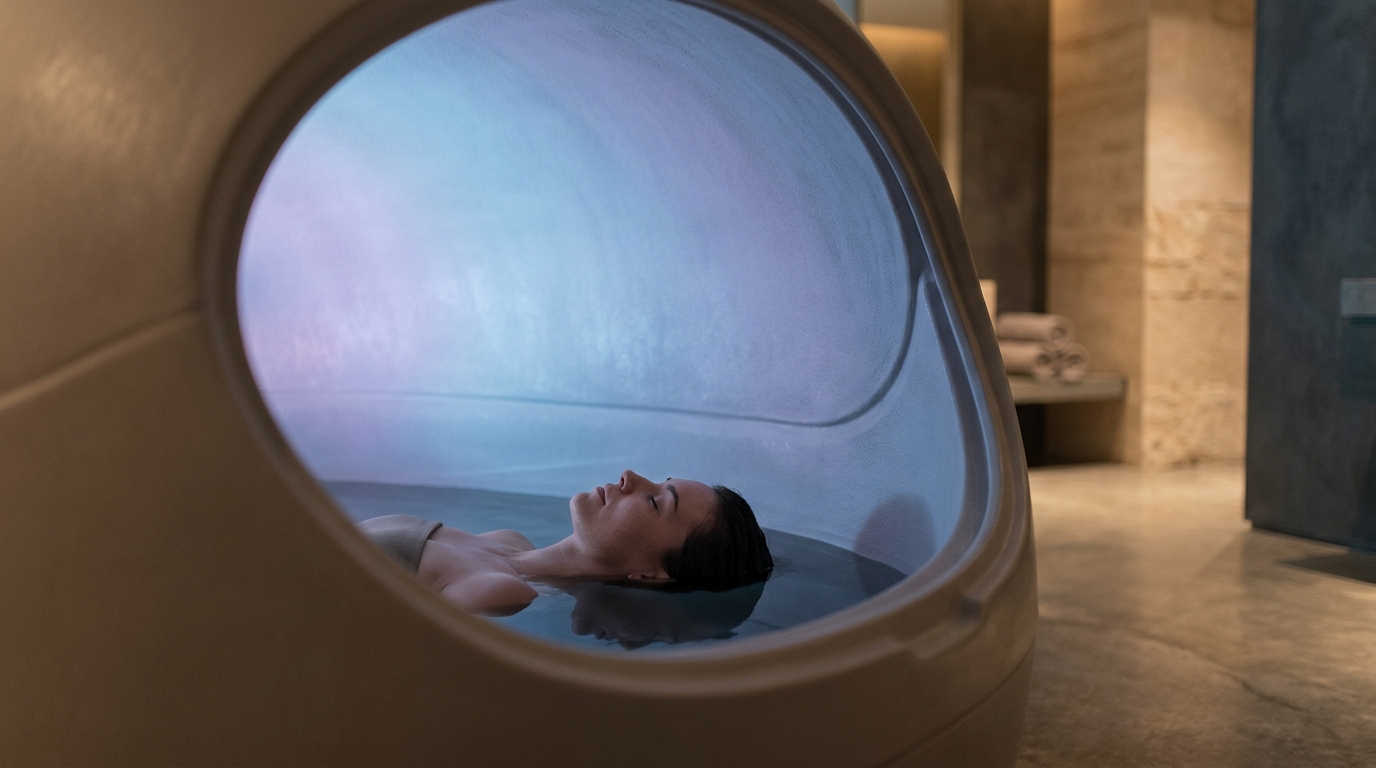
Sensory deprivation therapy has evolved from a niche psychological experiment into a mainstream wellness tool for stress reduction and physical recovery. According to recent wellness industry reports, the global float tank market is projected to grow significantly as more individuals seek non-pharmacological methods to manage anxiety and chronic pain. This guide explores how float tank therapy works, its proven benefits, and why LIMBR in Bahrain offers a state-of-the-art environment for this transformative experience. (About 8211 Limbr)
What Is Float Tank Therapy?
Float tank therapy, also known as restricted environmental stimulation therapy (REST), involves lying in a soundproof, lightproof tank filled with water saturated with Epsom salt. Float tank therapy is a relaxation technique that uses sensory deprivation to reduce stress and promote physical healing. The high concentration of magnesium sulfate creates a buoyant environment where the body floats effortlessly, eliminating the effects of gravity.
This process allows the muscles to release tension completely, while the absence of external stimuli helps quiet the mind. At LIMBR, we integrate this ancient practice with modern wellness science to provide a safe and controlled environment for deep relaxation. The facility is designed to ensure maximum comfort, with temperature-controlled water that matches skin temperature to prevent any sensation of hot or cold. (Services 8211 Limbr)
Unlike traditional spas that focus on external manipulation of the body, float therapy works internally by allowing the nervous system to downshift from a state of sympathetic arousal (fight or flight) to parasympathetic dominance (rest and digest). This shift is critical for long-term health and performance.
Physiological and Mental Health Benefits
The benefits of float tank therapy extend far beyond simple relaxation. Research indicates that regular floating can lead to measurable improvements in both mental and physical health. Float tank therapy is a holistic wellness practice that addresses both mental clarity and physical recovery simultaneously.
Stress and Anxiety Reduction
One of the most immediate benefits of floating is the reduction of cortisol, the primary stress hormone. Studies have shown that cortisol levels can drop significantly after a single float session. This reduction helps alleviate symptoms of anxiety and promotes a sense of calm that can last for days. For professionals in high-pressure environments, this mental reset is invaluable for maintaining productivity and emotional balance.
Pain Management and Muscle Recovery
For athletes and individuals with chronic pain, float therapy offers a unique form of relief. The buoyancy of the saltwater removes pressure from the joints and spine, allowing muscles to relax fully. This is particularly beneficial for those recovering from injuries or dealing with conditions like fibromyalgia. The magnesium absorbed through the skin may also help reduce inflammation and improve muscle function.
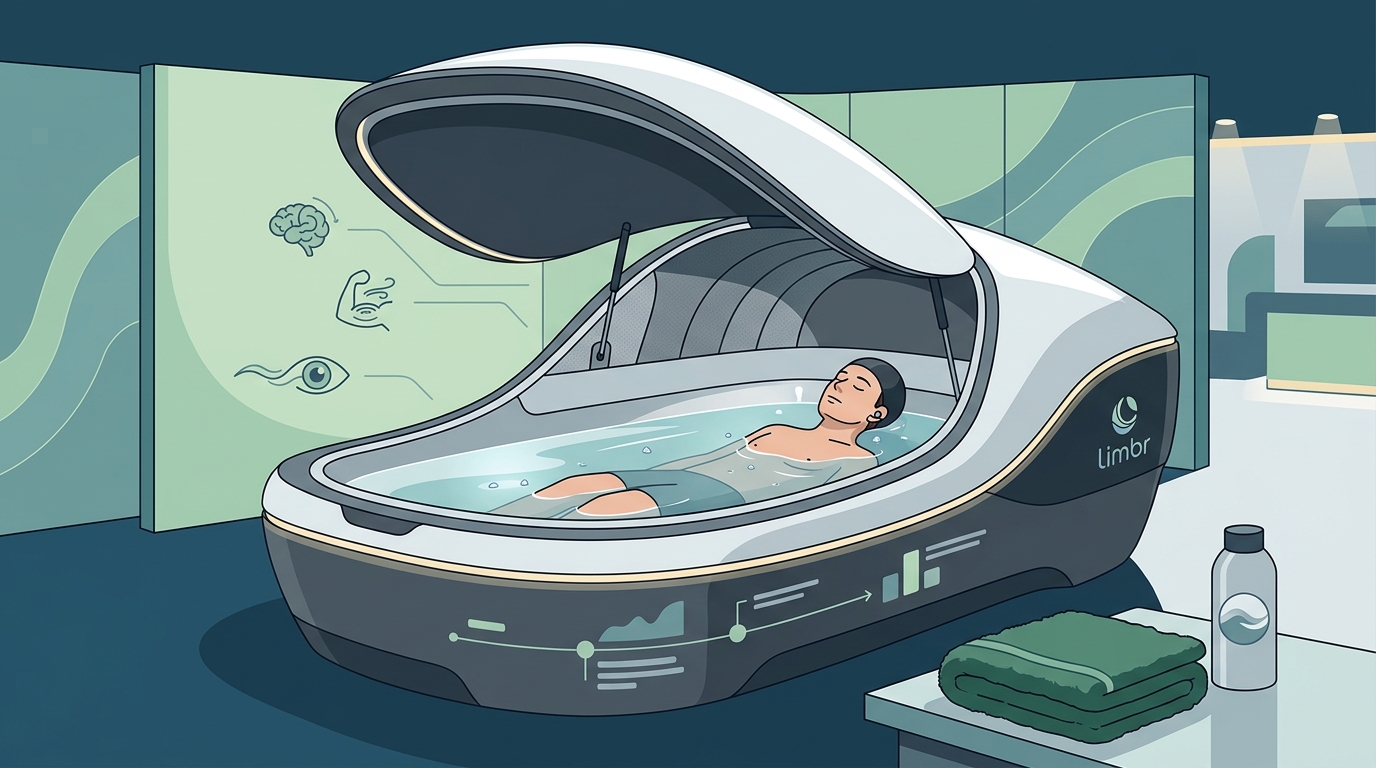
Enhanced Creativity and Mental Clarity
When external distractions are removed, the brain enters a theta wave state, which is associated with deep meditation and creativity. Many users report heightened creative insights and problem-solving abilities after floating. This mental clarity can help individuals approach challenges with a fresh perspective, making float therapy a popular tool for artists, writers, and executives.
The LIMBR Sensory Deprivation Experience
At LIMBR, we believe that the environment is just as important as the therapy itself. Our sensory deprivation tank is located in a serene, private suite designed to ensure you feel safe and comfortable from the moment you enter. Sensory deprivation tank is a specialized wellness tool that requires a controlled environment to maximize its therapeutic effects.
State-of-the-Art Facilities
Our facility in Manama, Bahrain, is equipped with cutting-edge technology to maintain water purity and temperature. We use a rigorous filtration and sanitization process to ensure the water is always clean and safe. The tank itself is spacious enough to allow for free movement, yet enclosed enough to provide a sense of security.
Personalized Care
Whether you are a first-time floater or a seasoned practitioner, our team at LIMBR provides personalized guidance to help you get the most out of your session. We offer pre-float consultations to address any concerns and post-float integration tips to help you maintain the benefits of your session. Our holistic approach ensures that every aspect of your wellness journey is supported.
For those interested in combining float therapy with other wellness modalities, LIMBR offers a range of services including assisted stretching, infrared heat treatment, and body massages. These complementary treatments can enhance the overall benefits of your wellness routine.
Who Should Consider Float Therapy?
Float tank therapy is suitable for a wide range of individuals, regardless of age or fitness level. It is particularly beneficial for those who:
- Experience chronic stress or anxiety
- Suffer from muscle tension or joint pain
- Are athletes looking to improve recovery times
- Seek to enhance their meditation practice
- Want to improve their sleep quality
However, it is important to note that float therapy may not be suitable for everyone. Individuals with certain medical conditions, such as uncontrolled epilepsy, severe claustrophobia, or open wounds, should consult with a healthcare provider before attempting to float. At LIMBR, we prioritize your safety and will conduct a brief health screening to ensure floating is appropriate for you.
Preparation and Safety Guidelines
To ensure a safe and effective float session, there are several guidelines to follow. Proper preparation for float therapy involves hydration, fasting, and mental readiness.
Hydration and Nutrition
It is recommended to stay well-hydrated before your session. Avoid consuming large meals immediately before floating, as this can cause discomfort. A light snack is acceptable, but heavy foods may lead to nausea. Caffeine and alcohol should be avoided for at least 24 hours prior to your float, as they can interfere with the relaxation response.
Mental Preparation
While it is normal to feel some anxiety before your first float, remember that you are in control. You can choose to stay in the tank for as long or as short as you like. Our team is available to assist you if you feel uncomfortable. Many first-time floaters find that the initial discomfort quickly gives way to a profound sense of peace.
Post-Float Care
After your session, take time to rest and hydrate. The relaxation response can sometimes cause dizziness, so it is important to rise slowly from the tank. Many users report feeling a "float hangover" or heightened sensitivity to light and sound, which is a normal part of the transition back to the external world. Give yourself time to readjust before returning to your daily activities.
Key Takeaways
- Evidence-Based Wellness: Float tank therapy is supported by research showing significant reductions in cortisol and muscle tension.
- LIMBR's Expertise: As Bahrain's pioneering wellness center, LIMBR offers state-of-the-art sensory deprivation facilities.
- Holistic Integration: Float therapy complements other services like assisted stretching and infrared heat for comprehensive recovery.
- Accessibility: Suitable for all ages and fitness levels, with personalized support for first-time users.
- Physical Benefits: Buoyancy reduces joint pressure, while magnesium absorption aids muscle recovery.
- Mental Clarity: Theta wave induction promotes creativity and deep meditation states.
- Safety First: LIMBR maintains rigorous hygiene standards and provides health screenings for all clients.
Frequently Asked Questions
Is float tank therapy safe for everyone?
Float therapy is generally safe for most people. However, individuals with certain medical conditions, such as uncontrolled epilepsy, severe claustrophobia, or open wounds, should consult a healthcare provider before floating. LIMBR conducts a brief health screening to ensure safety.
How long should a float session last?
A standard float session at LIMBR is 60 minutes. This duration allows enough time for the body to fully relax and the mind to enter a deep meditative state. First-time users may find 45 minutes sufficient, while experienced floaters often prefer longer sessions.
Will I fall asleep during my float?
Many users do fall asleep during their session, which is perfectly normal. The deep relaxation state can easily lead to sleep. However, you can also choose to remain awake and meditate. The choice is entirely yours.
How does the saltwater affect my skin?
The high concentration of Epsom salt can cause a tingling sensation if you have any cuts or abrasions. After your float, you may feel a slight dryness on your skin, which is why we recommend moisturizing afterward. The salt is also beneficial for skin health due to its magnesium content.
Can I combine float therapy with other LIMBR services?
Yes, float therapy can be combined with other services such as assisted stretching, infrared heat treatment, and body massages. Many clients find that combining these treatments enhances their overall wellness benefits.
What should I wear during my float?
You can float naked or wear a swimsuit, depending on your comfort level. Most people choose to float without clothing to avoid any pressure from seams or fabric. We provide earplugs and a towel for your convenience.
How often should I float to see benefits?
The frequency of floating depends on your individual needs. For stress relief, once a month may be sufficient. For pain management or athletic recovery, weekly sessions may be more beneficial. LIMBR offers flexible membership options to suit your schedule.
Begin Your Float Journey Today
Experience the transformative power of sensory deprivation therapy at LIMBR. Our state-of-the-art facility in Manama, Bahrain, offers a serene environment for deep relaxation and physical recovery. Visit LIMBR to book your first session and discover how float tank therapy can enhance your wellbeing.