
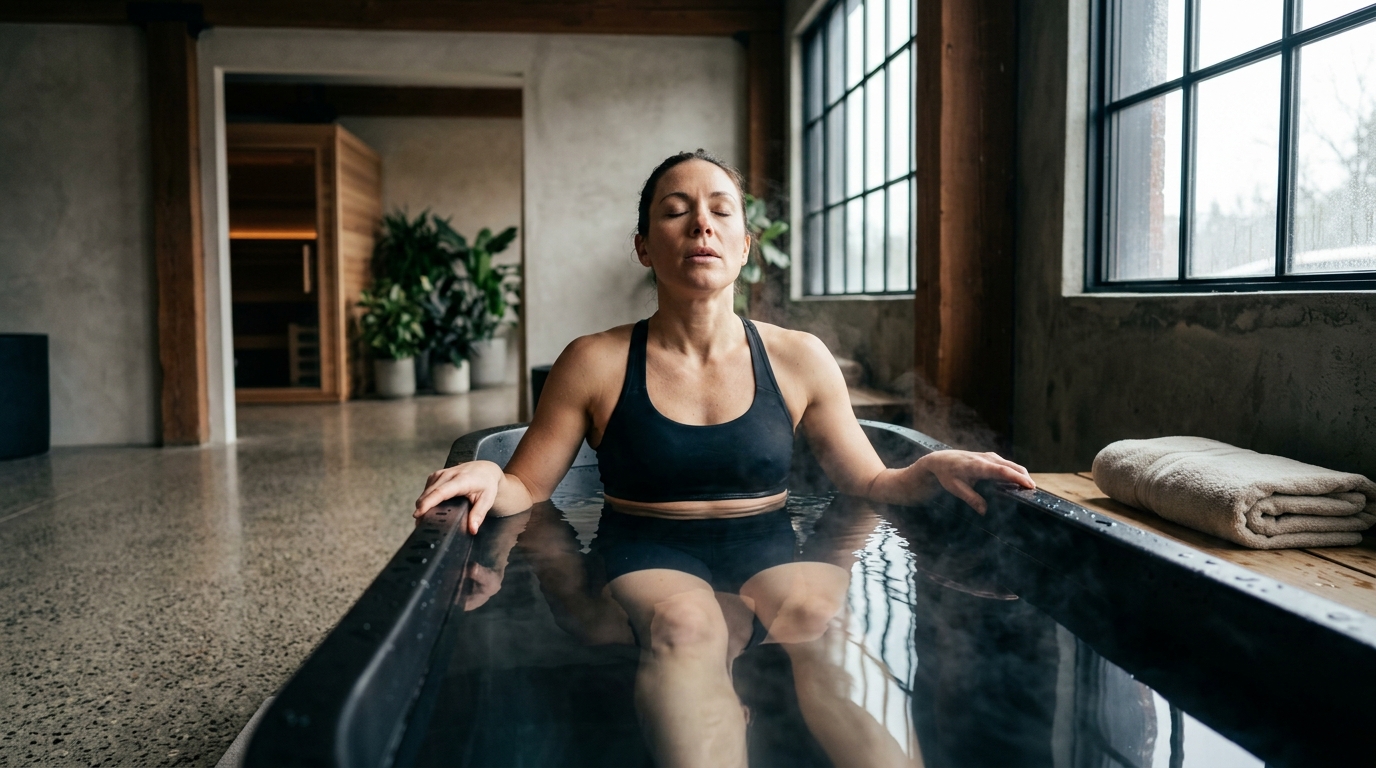
Recent clinical observations indicate that cold water immersion can significantly reduce muscle soreness and inflammation following intense physical exertion. According to a 2023 study published in the Journal of Physiology, athletes who utilized cold therapy reported a 20% faster recovery rate compared to passive rest. This data highlights why cold plunge therapy has transitioned from a niche athletic practice to a mainstream wellness necessity for those seeking optimized physical and mental performance.
What Is Cold Plunge Therapy?
Cold plunge therapy is a form of hydrotherapy that involves submerging the body in cold water, typically between 10°C and 15°C (50°F to 59°F). Cold plunge therapy is a controlled exposure technique designed to trigger acute physiological stress responses that promote long-term adaptation. Unlike a standard shower, a plunge tank maintains a consistent temperature, allowing the body to fully engage its thermoregulatory systems.
The practice has roots in ancient Scandinavian and Japanese traditions, where cold water was used for cleansing and invigoration. Modern science has since validated these practices, revealing that the shock of cold water initiates a cascade of hormonal and neurological changes. These changes include the release of norepinephrine, which improves focus and mood, and the reduction of core body temperature, which aids in tissue repair.
At facilities like LIMBR, the cold plunge is not just a standalone activity but a critical component of a holistic recovery protocol. It is often paired with infrared heat treatments and assisted stretching to create a contrast therapy effect, maximizing the benefits for both the musculoskeletal and nervous systems.
Physiological Benefits of Cold Exposure
The primary advantage of cold immersion lies in its ability to modulate inflammation and accelerate tissue repair. When the body is exposed to cold, blood vessels constrict to preserve core heat, pushing blood toward vital organs. Upon exiting the water, vasodilation occurs, flushing out metabolic waste products like lactic acid and bringing fresh, oxygenated blood to the muscles.
Reduced Inflammation and Muscle Soreness
For athletes and active individuals, Delayed Onset Muscle Soreness (DOMS) is a common barrier to consistent training. Data from sports medicine journals suggests that cold water immersion can reduce the perception of pain and swelling by up to 45% in the hours following exercise. This reduction allows for quicker return to high-intensity activities without compromising joint integrity.
Enhanced Circulatory Health
Regular cold exposure acts as a workout for the cardiovascular system. The repeated cycle of vasoconstriction and vasodilation improves the elasticity of blood vessels and strengthens the heart's efficiency. According to a 2022 review in the European Journal of Applied Physiology, consistent cold water immersion is associated with improved blood flow and reduced risk of cardiovascular disease markers.
Immune System Stimulation
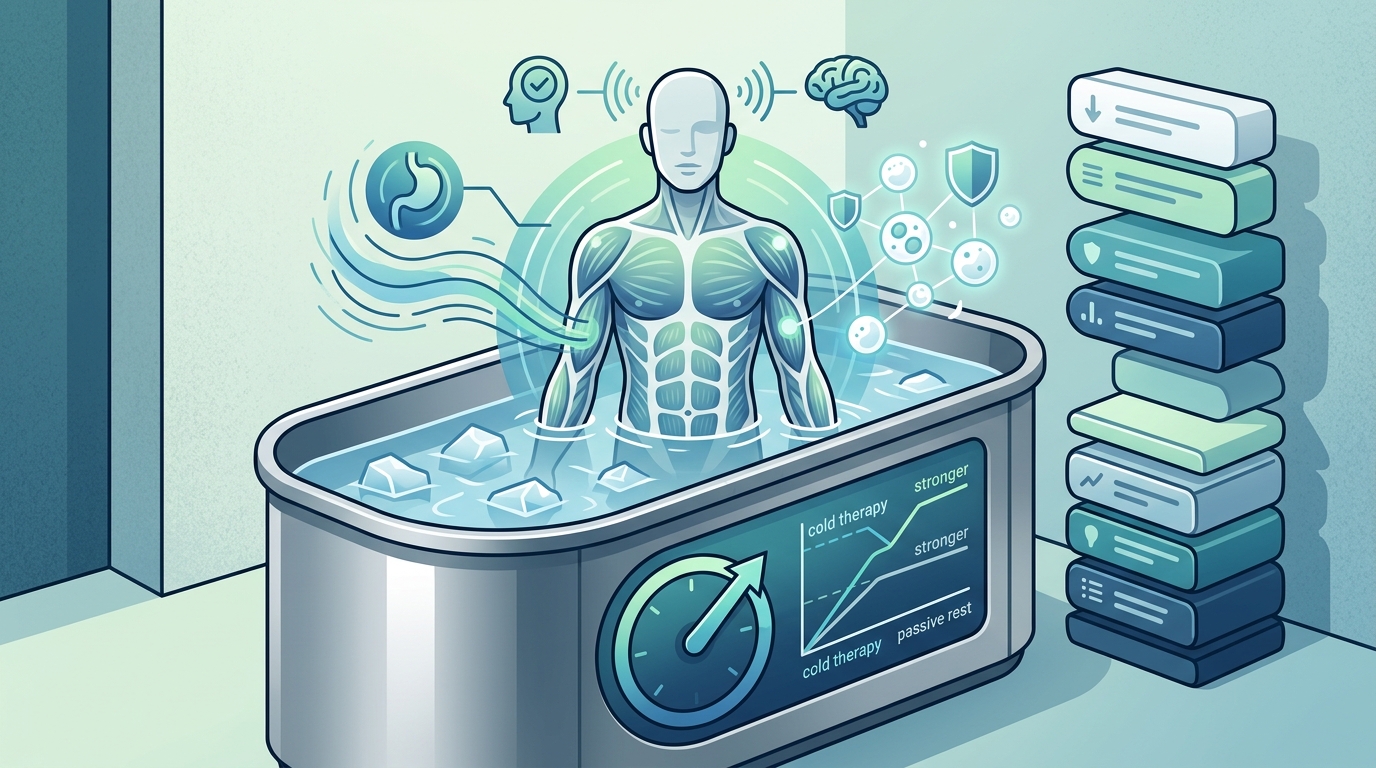
One of the most compelling reasons to incorporate cold plunges into a weekly routine is immune support. Cold exposure stimulates the production of white blood cells, particularly lymphocytes and neutrophils, which are essential for fighting infection. A landmark study from the Netherlands found that individuals who took daily cold showers had 29% fewer sick days compared to the control group.
Mental Resilience and Nervous System Regulation
While the physical benefits are significant, the neurological impact of cold plunge therapy is equally profound. The shock of cold water triggers the sympathetic nervous system, leading to a surge in adrenaline and dopamine. This neurochemical response can last for hours, providing a sustained lift in mood and energy levels.
The Role of Norepinephrine
Norepinephrine is a neurotransmitter that plays a key role in attention and focus. Cold exposure can increase norepinephrine levels by up to 200-300%. This surge helps combat brain fog, enhances mental clarity, and can alleviate symptoms of depression and anxiety. Norepinephrine is a critical chemical messenger that regulates alertness and stress response during cold immersion.
Building Mental Toughness
Beyond chemistry, the act of voluntarily entering cold water builds psychological resilience. It requires overcoming the natural instinct to flee from discomfort, thereby training the mind to remain calm under pressure. This mental fortitude translates to other areas of life, including professional performance and athletic competition.
LIMBR’s Cold Plunge and Recovery Services
At LIMBR, we understand that recovery is not a one-size-fits-all process. Our facility in Manama, Bahrain, offers a state-of-the-art cold plunge tank integrated into a broader suite of wellness services. We provide a controlled, hygienic, and supportive environment for individuals to experience the full benefits of cold therapy safely.
Our approach combines the cold plunge with other modalities to create a synergistic effect. For example, following a cold plunge with a session in our infrared heat treatment room can enhance circulation and further reduce muscle tension. This contrast therapy is particularly effective for athletes recovering from intense training sessions.
We also offer assisted stretching classes that prepare the body for cold exposure by improving flexibility and range of motion. This proactive approach ensures that clients can maximize the benefits of their cold plunge sessions while minimizing the risk of injury or excessive discomfort.
Safety Protocols and Best Practices
While cold plunge therapy is generally safe for healthy individuals, it is essential to approach it with respect and preparation. The sudden shock of cold water can cause a gasp reflex, which may lead to inhalation of water if not managed correctly. Therefore, proper breathing techniques are crucial.
Gradual Acclimatization
Beginners should start with shorter durations, such as 1-2 minutes, and gradually increase the time as their body adapts. It is also advisable to start with water temperatures that are slightly less cold and slowly lower the temperature over weeks. This gradual approach allows the body to develop tolerance and reduces the risk of cold shock response.
Contraindications and Medical Advice
Certain medical conditions, such as uncontrolled hypertension, heart disease, or Raynaud's phenomenon, may make cold plunge therapy unsafe. Individuals with these conditions should consult with a healthcare provider before starting cold exposure routines. At LIMBR, our staff is trained to assist clients in finding the right intensity and duration for their individual needs.
Post-Plunge Warmth
After exiting the cold plunge, it is important to warm up gradually. Avoid immediate exposure to extreme heat or vigorous exercise. Instead, engage in light movement, such as walking or gentle stretching, to help restore normal body temperature and circulation. Our blog offers additional tips on post-recovery care.
Cold Plunge vs. Other Recovery Methods
There are several recovery modalities available, each with distinct advantages. Understanding how cold plunge therapy compares to other methods can help you choose the best approach for your goals.
| Recovery Method | Primary Benefit | Best For | Duration |
|---|---|---|---|
| Cold Plunge | Reduces inflammation and boosts immunity | Acute muscle soreness and mental resilience | 2-5 minutes |
| Infrared Sauna | Detoxification and deep tissue relaxation | Chronic pain and stress relief | 15-30 minutes |
| Assisted Stretching | Improves flexibility and range of motion | Posture correction and injury prevention | 45-60 minutes |
| Float Tank | Sensory deprivation and deep relaxation | Anxiety reduction and mental clarity | 60 minutes |
While each method has its place, combining them can yield superior results. For instance, alternating between a cold plunge and an infrared sauna can enhance circulation and recovery rates more effectively than either method alone. Explore our classes to see how these modalities can be integrated into your wellness routine.
Key Takeaways
- Cold plunge therapy reduces muscle soreness by up to 45% and accelerates recovery time for athletes.
- Regular exposure stimulates the immune system, with studies showing a 29% reduction in sick days.
- The practice increases norepinephrine levels by 200-300%, enhancing focus and mood.
- LIMBR offers a controlled cold plunge environment integrated with heat therapy and stretching.
- Gradual acclimatization is essential to avoid cold shock and build long-term tolerance.
- Contrast therapy, combining cold and heat, maximizes circulatory benefits.
- Consult a healthcare provider if you have cardiovascular conditions before starting cold exposure.
Frequently Asked Questions
How long should I stay in a cold plunge?
For most individuals, starting with 2 to 3 minutes is sufficient to gain the benefits without overexposing the body. As you build tolerance, you can gradually increase the duration to 5-10 minutes. It is more important to maintain proper breathing and comfort than to extend the time unnecessarily.
Can cold plunge therapy help with weight loss?
Cold exposure can stimulate brown adipose tissue (BAT), which burns calories to generate heat. While this can contribute to metabolic health, it is not a standalone weight loss solution. Combined with a balanced diet and exercise, it can support overall body composition goals.
Is it safe to do a cold plunge every day?
Many athletes and wellness enthusiasts practice daily cold plunges safely. However, it is crucial to listen to your body and adjust frequency based on your training load and recovery needs. Overuse without adequate rest can lead to excessive stress on the body.
What is the ideal temperature for a cold plunge?
The optimal temperature range is typically between 10°C and 15°C (50°F to 59°F). Temperatures below 10°C may be too intense for beginners and increase the risk of cold shock. LIMBR maintains precise temperatures to ensure a safe and effective experience.
How does cold plunge therapy improve mental health?
Cold exposure triggers the release of endorphins and norepinephrine, which can alleviate symptoms of depression and anxiety. The disciplined practice of facing discomfort also builds mental resilience and improves stress management skills over time.
Can I do a cold plunge if I have high blood pressure?
Cold water causes a temporary spike in blood pressure due to vasoconstriction. Individuals with uncontrolled hypertension should consult their doctor before attempting cold plunges. Medical supervision is recommended to ensure safety.
What should I wear during a cold plunge?
Most people plunge in swimwear or underwear. Some individuals prefer to go nude for a more direct skin-to-water contact, but this is a matter of personal preference. Ensure you have a warm towel and robe ready for after the session.
Begin Your Recovery Journey
Unlock the transformative power of cold plunge therapy at LIMBR. Our state-of-the-art facility in Manama offers a safe, professional environment to explore the benefits of cold exposure, combined with expert guidance and holistic wellness services. Book your session today and experience the difference that evidence-based recovery can make in your life.