
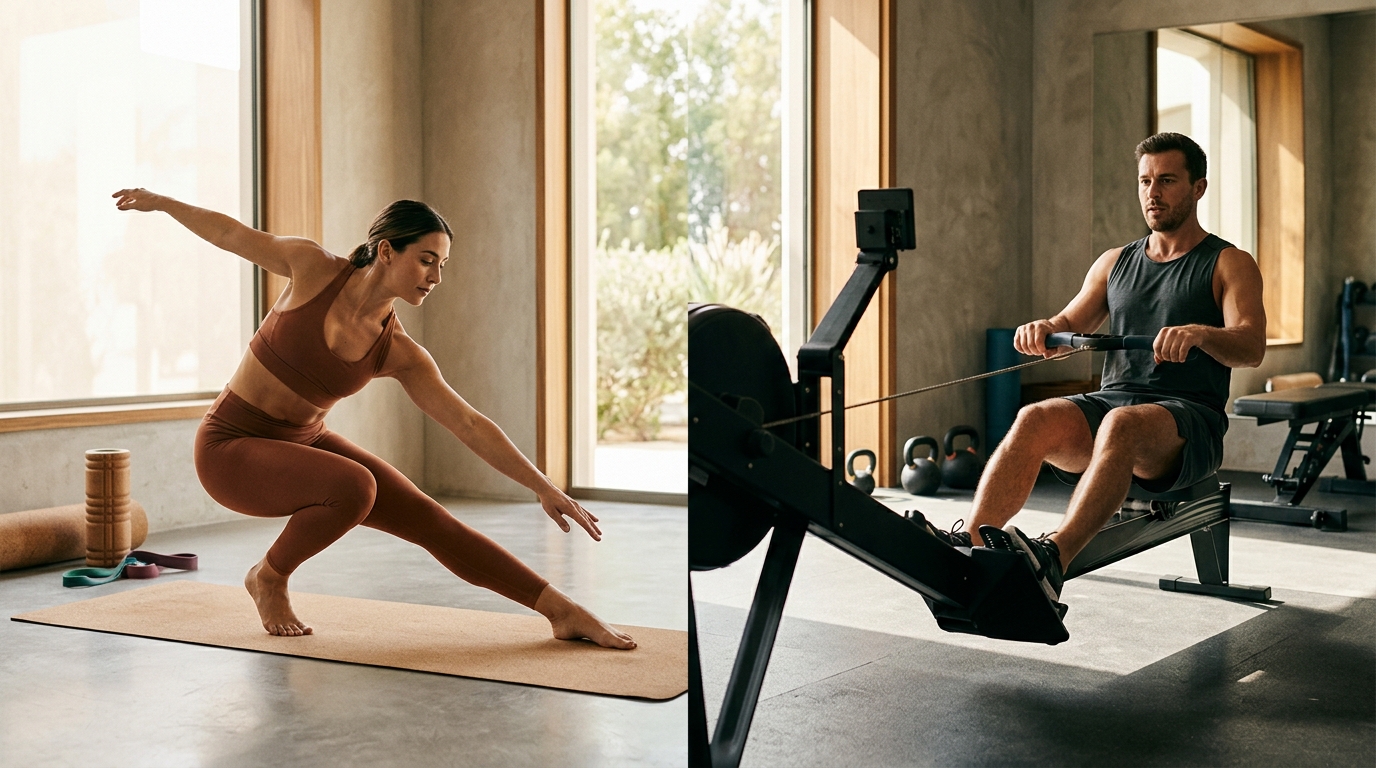
Mobility Training vs. Traditional Fitness: Which Is Right for Your Body?
In a world where sedentary lifestyles have become the norm, the definition of fitness is evolving rapidly. According to recent health data, nearly 80% of adults do not meet the recommended physical activity guidelines, leading to widespread issues with joint stiffness and chronic pain. This statistic highlights a critical gap in traditional fitness models that focus solely on calorie burning or muscle hypertrophy. At LIMBR, we have observed that true wellness requires more than just sweating; it demands a fundamental restoration of movement quality. This article compares the foundational principles of mobility training against traditional fitness regimens to help you determine the optimal path for your physical longevity.
What Is Mobility Training?
Mobility training is the active ability to move a joint through its full range of motion with strength and control. Unlike passive stretching, which relies on external force to lengthen muscles, mobility work engages the nervous system to improve stability at the end ranges of movement. This discipline is not merely about flexibility; it is about functional capacity.
At LIMBR, we view mobility as the foundation of all physical activity. Without adequate mobility, even the strongest muscles cannot function efficiently. Our evidence-based approach targets the hips, shoulders, and spine, which are often the first areas to stiffen due to modern desk-bound lifestyles. By prioritizing active range of motion, individuals can reduce the risk of injury and improve their overall biomechanical efficiency.
Our signature mobility for life class is designed to cultivate better body functionality, stability, and alignment. This program is particularly effective for those seeking to reset their posture and strengthen their musculoskeletal system. The goal is to make movement easier and more natural in daily life, rather than treating movement as a separate workout event.
The Core of Traditional Fitness
Traditional fitness has long been dominated by two primary pillars: cardiovascular endurance and muscular hypertrophy. Cardiovascular training, such as running or cycling, focuses on heart health and calorie expenditure. Strength training, often involving weights and resistance machines, aims to increase muscle size and power.
While these methods are effective for specific goals, they often neglect the connective tissues and joint health that support muscular function. For example, a bodybuilder may have immense strength but lack the flexibility to perform daily tasks without discomfort. Similarly, a marathon runner might develop strong legs but suffer from hip tightness due to repetitive motion patterns.
Traditional fitness classes like MOVE (Circuit and Cardio Training) and PUMP (Weighted and Strength) are excellent for burning calories and building lean muscle mass. These high-energy sessions release endorphins and improve cardiovascular fitness. However, they often require a baseline level of mobility to be performed safely. Without this foundation, individuals may compensate with poor form, leading to overuse injuries.
Key Differences in Approach
Understanding the distinction between mobility training and traditional fitness is crucial for selecting the right program. The primary difference lies in the intent and the physiological outcome.
Intent and Focus
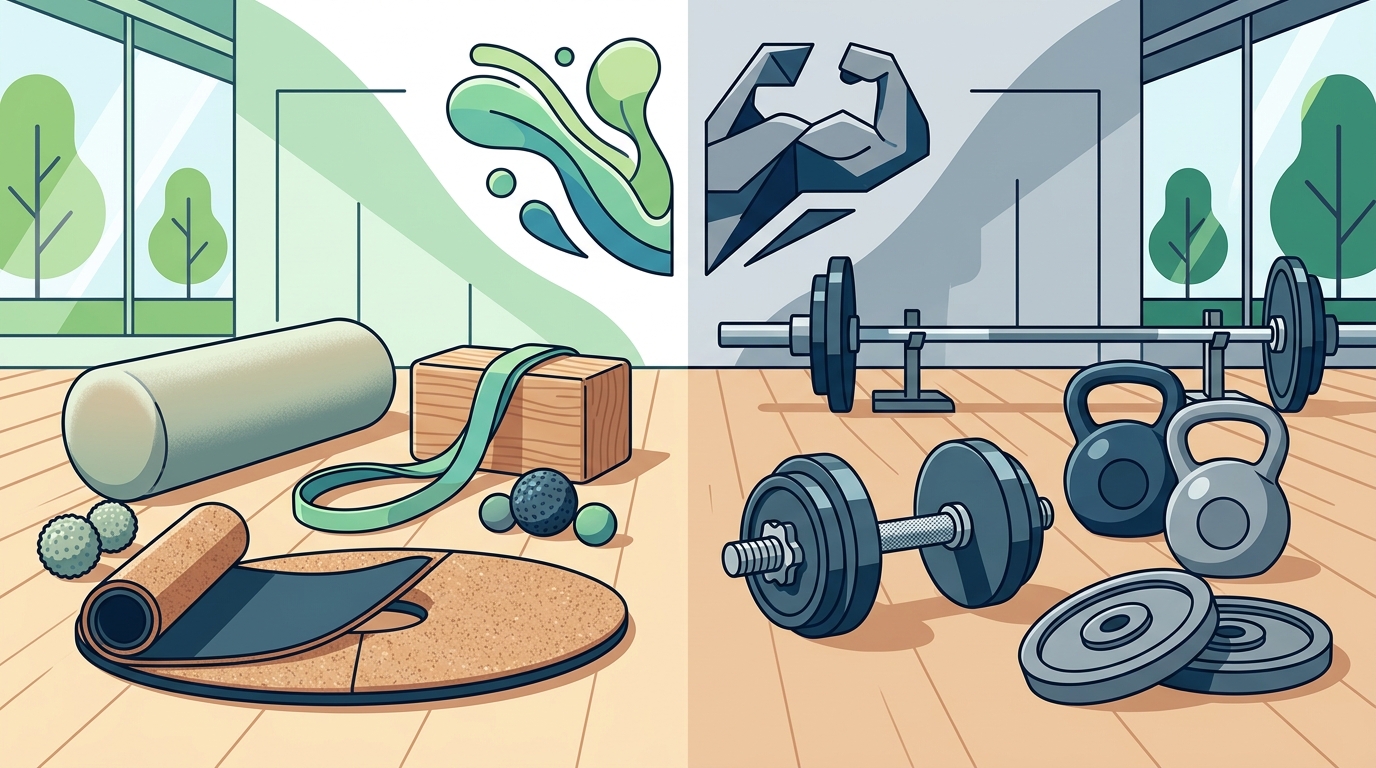
Traditional fitness often prioritizes aesthetic outcomes or performance metrics, such as lifting heavier weights or running faster. Mobility training prioritizes functional outcomes, such as pain-free movement, improved posture, and injury prevention. While traditional fitness asks, "How much can you lift?" mobility training asks, "How well can you move?"
Physiological Impact
Strength training creates micro-tears in muscle fibers, which repair to become larger and stronger. Mobility training, however, works on the nervous system and the fascial network. It teaches the brain to allow muscles to relax and lengthen under tension. This neurological adaptation is essential for long-term joint health and is often overlooked in conventional gym routines.
Recovery and Longevity
Recovery is a crucial part of any fitness routine, yet it is often overlooked in traditional models. At LIMBR, we emphasize that recovery is just as important as the workout itself. Mobility sessions often incorporate elements of assisted stretching and relaxation, which actively promote recovery. In contrast, traditional fitness may require passive rest days, which do not actively address tissue stiffness.
Benefits and Limitations Analysis
Both mobility training and traditional fitness offer unique benefits. The following table summarizes the key advantages and limitations of each approach to help you make an informed decision.
| Feature | Mobility Training | Traditional Fitness |
|---|---|---|
| Primary Goal | Pain-free movement, flexibility, joint health | Muscle growth, calorie burn, cardiovascular health |
| Best For | Sedentary workers, athletes recovering from injury, older adults | Weight loss, bodybuilding, athletic performance |
| Risk of Injury | Low, when performed correctly | Higher, due to repetitive strain and heavy loads |
| Time Efficiency | High, improves daily function quickly | Variable, requires consistent long-term commitment |
| Recovery Support | Active recovery, reduces stiffness | Passive rest, may exacerbate tightness |
Limitations of Mobility Training
While mobility training is essential, it does not replace the need for strength. A joint that is mobile but not strong is unstable and prone to injury. Therefore, mobility should be viewed as a prerequisite for strength, not a replacement. Additionally, some individuals may find mobility training less "intense" than traditional cardio, leading to a false sense of inactivity.
Limitations of Traditional Fitness
The primary limitation of traditional fitness is the potential for muscular imbalances. Overdeveloping certain muscle groups without addressing their opposing counterparts can lead to poor posture and chronic pain. Furthermore, traditional fitness often ignores the mental health benefits of mindful movement, focusing instead on physical exertion.
Who Should Choose Which?
Choosing between mobility training and traditional fitness depends on your current physical state, goals, and lifestyle. Here is a breakdown of who benefits most from each approach.
Choose Mobility Training If:
- You spend long hours sitting at a desk and experience lower back or neck pain.
- You are recovering from an injury and need to restore range of motion safely.
- You are an athlete looking to prevent injuries and improve performance efficiency.
- You want to improve your posture and overall body alignment.
At LIMBR, our unique therapeutic services, such as infrared heat treatment and sensory deprivation tanks, complement mobility work by enhancing recovery and mental relaxation. These services are ideal for individuals seeking a holistic approach to wellness that addresses both physical and mental stress.
Choose Traditional Fitness If:
- Your primary goal is weight loss or cardiovascular improvement.
- You want to build significant muscle mass or increase raw strength.
- You are preparing for a specific athletic event that requires high power output.
- You enjoy high-energy, group fitness environments.
However, even if you choose traditional fitness, incorporating mobility work is essential. Our FLOW Yoga Fusion class combines Vinyasa and Hatha Yoga to enhance flexibility and mobility, making it a perfect bridge between traditional fitness and mobility training.
The Integration Strategy
The most effective fitness regimen integrates both mobility training and traditional fitness. This hybrid approach ensures that you build strength without sacrificing flexibility, and you maintain mobility without losing power. This concept is central to our philosophy at LIMBR, where we believe that mobility is a necessity, not a luxury.
How to Integrate Both
- Warm-Up with Mobility: Before any traditional workout, spend 10-15 minutes on dynamic mobility exercises to prepare your joints and muscles.
- Cool-Down with Stretching: After your workout, engage in assisted stretching or foam rolling to reduce muscle soreness and improve recovery.
- Dedicated Mobility Days: Schedule one or two days per week for dedicated mobility training, focusing on areas that feel tight or restricted.
- Listen to Your Body: If you feel stiff or painful, prioritize mobility work over intense cardio or heavy lifting.
By combining the best of both worlds, you can achieve a balanced, active lifestyle that supports long-term health. Our holistic approach at LIMBR is designed to help individuals enhance their physical wellbeing, prevent injuries, and achieve a balanced, active lifestyle.
Key Takeaways
- Mobility training focuses on active range of motion and joint health, while traditional fitness focuses on muscle growth and calorie burn.
- According to health data, nearly 80% of adults are sedentary, making mobility training essential for modern lifestyles.
- Mobility training reduces the risk of injury by improving biomechanical efficiency and posture.
- Traditional fitness classes like MOVE and PUMP are effective for building strength and endurance but require a mobility foundation.
- Recovery is just as important as the workout, and mobility sessions actively promote tissue recovery.
- LIMBR offers a unique blend of mobility training, therapeutic services, and holistic wellness in Bahrain.
- Integrating both approaches leads to the best long-term health outcomes and injury prevention.
Frequently Asked Questions
Is mobility training enough for weight loss?
Mobility training alone is not the most efficient method for weight loss compared to high-intensity cardio or strength training. However, it improves metabolic health and reduces inflammation, which can support weight loss efforts. For optimal results, combine mobility work with traditional fitness.
Can I do mobility training if I am not flexible?
Yes, mobility training is designed for all fitness levels. It does not require you to be flexible to start. In fact, it is the process of becoming more flexible and mobile. Our classes are tailored to help you unlock your body’s full potential, regardless of your starting point.
How often should I do mobility training?
For best results, aim to practice mobility exercises daily or at least 3-4 times per week. Even 10-15 minutes a day can significantly improve your range of motion and reduce pain. Consistency is key to seeing long-term benefits.
What is the difference between flexibility and mobility?
Flexibility is the passive ability of a muscle to lengthen, while mobility is the active ability to move a joint through its range of motion with strength and control. Mobility includes flexibility but adds the component of strength and stability.
Do you offer corporate wellness programs?
Yes, LIMBR offers tailored wellness programs for businesses. Our mission is to help individuals achieve physical and mental balance, which leads to higher productivity and reduced absenteeism. Contact us to learn more about our corporate offerings.
What should I wear to a mobility class?
Wear comfortable, flexible clothing that allows for a full range of motion. Barefoot or grip socks are recommended for most mobility and stretching classes to ensure stability and safety.
How do I book a session at LIMBR?
You can book a session by visiting our website or calling us at +973 1723 0300. We are located at Pavilion Centre, Al Seef, Manama, Bahrain, and are open Sunday to Saturday from 7:00 AM to 8:00 PM.
Start Your Journey to Better Movement
Whether you choose mobility training, traditional fitness, or a combination of both, the most important step is to start moving. At LIMBR, we are dedicated to helping you unlock your body's true potential through evidence-based mobility and holistic wellness therapies. Our state-of-the-art facilities and expert trainers are here to guide you every step of the way.
Do not let stiffness and pain dictate your life. Take the first step towards a healthier, more flexible you. Book your session today and discover the transformative power of mindful movement. Visit us at Pavilion Centre, Al Seef, Manama, Bahrain, or call +973 1723 0300 to schedule your consultation.