

Modern wellness research indicates that over 80% of adults experience lower back pain at least once in their lifetime, often stemming from poor movement patterns rather than simple stiffness. According to the World Health Organization, physical inactivity is the fourth leading risk factor for global mortality, highlighting the urgent need for effective movement strategies. This statistic underscores why understanding the difference between mobility and flexibility is critical for long-term health. Many people assume these terms are interchangeable, but treating them as such can lead to ineffective training and persistent discomfort. At LIMBR, we see daily how clarifying this distinction transforms client outcomes, moving them from passive stretching to active, pain-free living.
Defining the Difference: Mobility vs. Flexibility
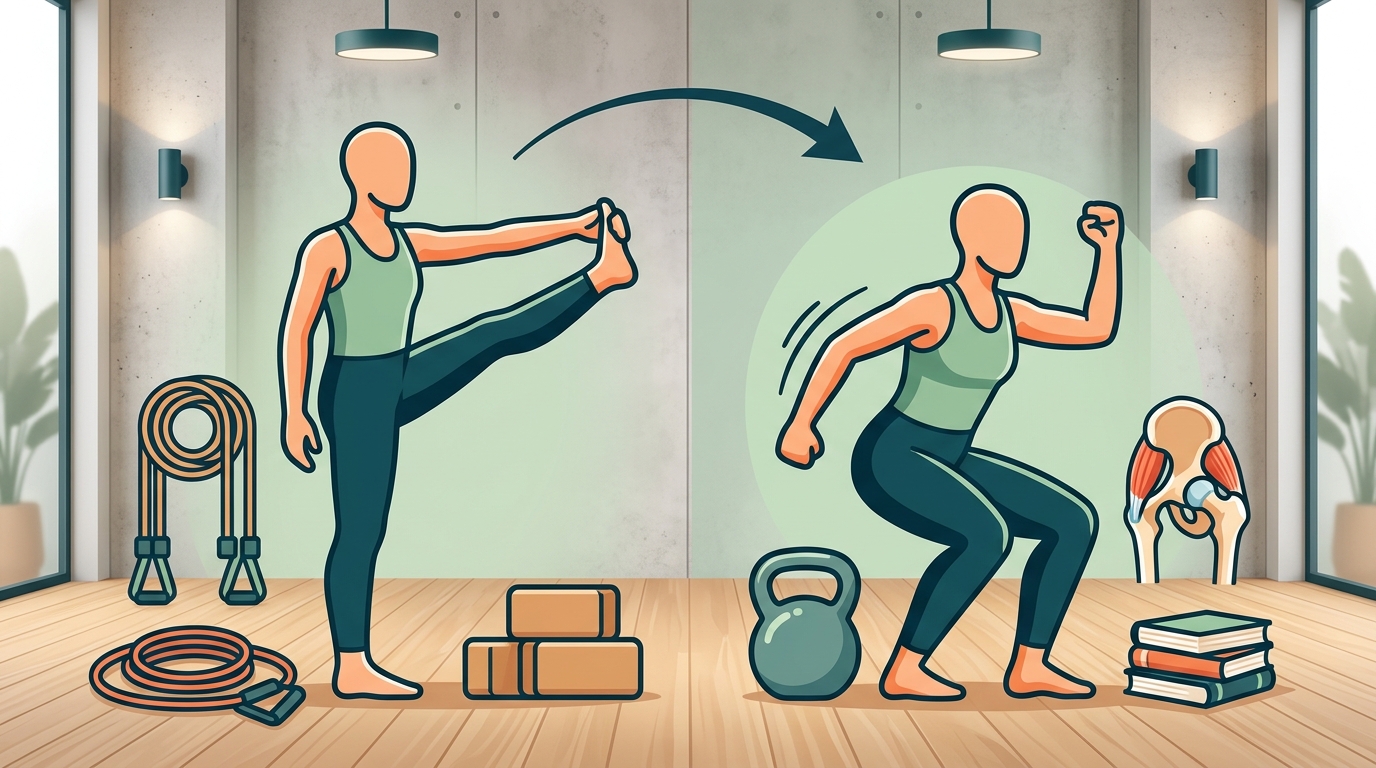
To optimize your physical health, you must first understand the mechanics at play. Mobility is the ability to move a joint actively through a full range of motion with strength and control. It involves not just the muscles, but also the nervous system, joints, and connective tissues working in harmony. In contrast, flexibility is the passive length of a muscle or muscle group. It measures how far a muscle can be stretched by an external force, such as a partner or gravity, without active muscle engagement.
Think of flexibility as the length of a rubber band and mobility as the strength and control you have when snapping that band. You can have long, flexible muscles but lack the strength to control them through their full range. This gap is where injuries often occur. At LIMBR, our holistic wellness approach prioritizes mobility because it builds the functional strength needed for daily activities, not just aesthetic range of motion.
The Power of Active Mobility
Mobility training is the cornerstone of sustainable physical performance. It focuses on strengthening the muscles at the end ranges of their movement. This type of training improves joint health, enhances proprioception (your body's awareness of its position in space), and reduces the risk of injury. When you improve your mobility, you are essentially teaching your nervous system to trust your body in new positions.
For athletes, mobility translates directly to power and efficiency. A runner with greater hip mobility can achieve a longer stride without compromising form. For office workers, mobility combats the effects of sedentary behavior. Our blog posts frequently highlight how assisted stretching and mobility drills can reverse the damage of hours spent at a desk. By engaging in evidence-based mobility training, you ensure that your joints are lubricated and your muscles are active, not just stretched.
The Role of Passive Flexibility
While mobility is king, flexibility still plays a vital supporting role. Passive flexibility is essential for recovery and relaxation. It helps to reduce muscle tension and can improve blood flow to tight areas. However, flexibility alone does not guarantee functional movement. If you are extremely flexible but lack the strength to control that range, you may experience joint instability or hypermobility issues.
Passive stretching is excellent for cooling down after a workout or for managing stress. It activates the parasympathetic nervous system, helping the body return to a state of rest. At LIMBR, we integrate passive stretching into our recovery services to complement active mobility work. This combination ensures that clients gain both the length and the strength necessary for optimal health. Without strength, flexibility is merely potential energy waiting to be wasted.
Comparison: Mobility vs. Flexibility
Understanding the nuances between these two concepts helps in designing a balanced fitness routine. The table below outlines the primary differences in their mechanics, benefits, and applications.
| Feature | Mobility | Flexibility |
|---|---|---|
| Definition | Active control through a range of motion | Passive length of muscle tissue |
| Primary Driver | Strength, Stability, and Neural Control | Connective Tissue Elasticity |
| Best For | Injury prevention and functional movement | Relaxation and recovery |
| Training Style | Dynamic movements and weighted stretches | Static holds and assisted stretching |
| Risk of Overdoing | Joint fatigue if form is poor | Joint instability and hypermobility |
Key Takeaways
- Mobility is active control: It requires strength and neural engagement, unlike passive flexibility.
- Flexibility is passive length: It measures muscle elasticity without active muscle contraction.
- Both are necessary: Optimal health requires a balance of strength at end ranges and adequate muscle length.
- Injury prevention: Mobility training is superior for preventing injuries in daily life and sports.
- Sedentary counteraction: Mobility directly combats the stiffness caused by prolonged sitting.
- LIMBR's approach: We combine assisted stretching with mobility drills for comprehensive results.
- Professional guidance: Expert trainers ensure you maintain proper form during mobility exercises.
Frequently Asked Questions
Is mobility better than flexibility for general health?
For most people, mobility is more beneficial because it builds functional strength and stability. Flexibility alone can lead to joint instability if not paired with strength.
Can I improve mobility without flexibility?
While they are linked, you can improve mobility by strengthening your muscles at their current range of motion. However, improving flexibility often facilitates greater mobility.
What is assisted stretching?
Assisted stretching is a technique where a trained professional helps you stretch your muscles. This allows for deeper relaxation and safer range of motion expansion.
How often should I do mobility exercises?
Consistency is key. Daily mobility work, even for just 10 minutes, yields better results than occasional intense sessions.
Does LIMBR offer mobility classes?
Yes, LIMBR offers specialized classes like "lIMBR mobility for life" and "FLOW Yoga Fusion" that focus on enhancing mobility and flexibility.
Is flexibility training dangerous?
Passive stretching is generally safe but should be done correctly to avoid overstretching ligaments. It is best combined with active mobility work.
What is the difference between static and dynamic stretching?
Static stretching involves holding a position for time, while dynamic stretching involves moving through a range of motion. Both have their place in a wellness routine.
Begin Your Transformation
Stop choosing between mobility and flexibility. Start integrating both into your lifestyle for a stronger, more resilient body. Visit LIMBR Fitness & Wellness Center in Manama, Bahrain, to experience our evidence-based mobility training and holistic recovery services. Our expert team is ready to help you move better, feel better, and live pain-free. Book your session today and take the first step toward true physical balance.