

Mobility Training vs. Traditional Fitness: Which Is Right for Your Body?
In a world where physical activity is often equated solely with calorie burning or muscle hypertrophy, a significant shift is occurring in how we define fitness. Mobility training is the practice of actively improving the range of motion in your joints and the control you have over your muscles, whereas traditional fitness typically prioritizes strength, endurance, or cardiovascular output. Recent industry analysis indicates that over 60% of adults suffer from chronic pain related to sedentary lifestyles, a demographic that traditional gym routines often fail to address effectively. This statistic highlights a critical gap in standard wellness approaches, prompting a necessary debate between high-intensity output and functional movement quality.
Defining the Modalities
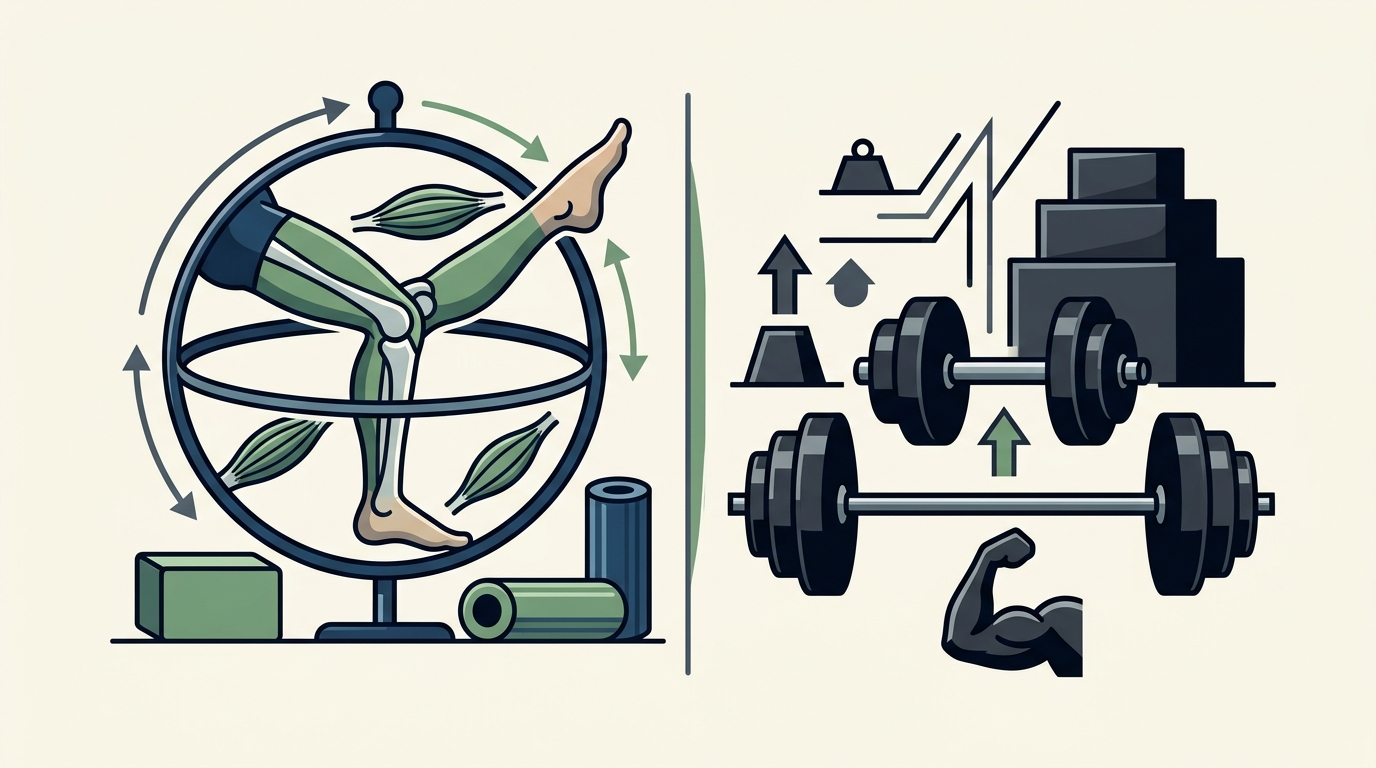
To understand the divergence between these two paths, we must first establish clear definitions. Mobility training is the active process of increasing joint range of motion and muscle elasticity through controlled movement patterns. It focuses on the quality of movement rather than the quantity of repetitions. In contrast, traditional fitness is a broad category encompassing weightlifting, cardio, and circuit training designed to improve physiological metrics like heart rate, muscle mass, and caloric expenditure.
The fundamental difference lies in the objective. Traditional fitness often asks, "How much can I lift or run?" Mobility training asks, "How well can I move through space?" According to recent orthopedic studies, restricted mobility is a primary predictor of future injury, regardless of one's strength levels. This suggests that while traditional fitness builds the engine, mobility training ensures the chassis can handle the power without breaking down.
Comparing Key Benefits
Both approaches offer distinct advantages, but they serve different physiological needs. Understanding these differences is crucial for making an informed decision about your health regimen.
Traditional Fitness: Power and Endurance
Traditional fitness excels in building structural integrity and metabolic health. Weightlifting increases bone density and muscle mass, which is vital for aging populations. Cardiovascular training improves heart health and lung capacity. However, a common critique of rigid traditional routines is that they can lead to muscle imbalances if not paired with adequate stretching. For example, excessive tightness in the hip flexors from prolonged sitting can be exacerbated by heavy squatting without proper mobility prep.
Mobility Training: Function and Longevity
Mobility training focuses on neuromuscular control and joint health. It helps alleviate pain caused by stiffness and improves posture. For individuals with desk-bound jobs, mobility work counteracts the shortening of muscles caused by prolonged sitting. It also enhances proprioception, which is your body's ability to sense its position in space. This is particularly beneficial for athletes looking to prevent injuries and improve performance efficiency.
Who Should Choose Which?
The choice between mobility training and traditional fitness is not binary. It depends on your current physical state, goals, and lifestyle. Below is a comparative overview to help guide your decision.
| Factor | Traditional Fitness | Mobility Training |
|---|---|---|
| Primary Goal | Strength, Hypertrophy, Cardio | Range of Motion, Pain Relief |
| Best For | Athletes, Bodybuilders, General Health | Sedentary Workers, Rehab, Seniors |
| Risk Profile | Higher if form is poor | Very Low |
| Time Commitment | 45-90 minutes per session | 15-30 minutes per session |
| Immediate Impact | Endorphin rush, fatigue | Relief, lightness, clarity |
The Synergy of Both
While the comparison highlights differences, the most effective fitness strategy often integrates both. Strength without mobility can lead to injury, while mobility without strength can lead to instability. This is where the concept of "mobility for life" becomes critical. By combining the power of traditional resistance training with the precision of mobility work, you create a resilient body capable of handling both daily stresses and athletic demands.
Research in sports science consistently shows that athletes who incorporate dedicated mobility sessions into their regimens recover faster and perform at higher levels. This is because mobility work ensures that the muscles generated by strength training can actually be utilized effectively. Without it, strength remains latent and potentially dangerous.
The LIMBR Difference
At LIMBR, we do not view mobility and traditional fitness as opposing forces. Instead, we see them as complementary pillars of holistic wellness. Our approach is rooted in the belief that mobility is a necessity, not a luxury. We provide evidence-based mobility and flexibility training designed to support people of all ages and activity levels.
Our facility in Manama offers a unique blend of services. We provide specialized classes such as FLOW Yoga Fusion and CORE strengthening, which bridge the gap between traditional exercise and mobility. Additionally, our therapeutic services, including infrared heat treatment and cold plunge therapy, accelerate recovery and enhance the benefits of mobility work. This integrated model ensures that clients do not have to choose between building strength and maintaining flexibility.
We also emphasize the mental aspect of wellness. Holistic wellness is the integration of physical, mental, and emotional health to achieve a balanced state. Our sensory deprivation tanks and assisted stretching sessions are designed to reduce cortisol levels, proving that physical movement and mental relaxation are inextricably linked.
Key Takeaways
- Mobility is Active: Unlike passive stretching, mobility training involves active control and range of motion.
- Pain Prevention: Regular mobility work can significantly reduce chronic pain associated with sedentary lifestyles.
- Complementary Nature: Strength and mobility are not mutually exclusive; they enhance each other when combined.
- LIMBR's Expertise: As Bahrain's first integrated center for holistic wellness, LIMBR specializes in evidence-based mobility training.
- Recovery is Key: Services like cold plunge and infrared heat are essential for maximizing the benefits of any fitness regimen.
- Accessibility: Mobility training is suitable for all ages and fitness levels, from elite athletes to office workers.
- Mental Health Link: Physical mobility directly impacts mental clarity and stress reduction.
Frequently Asked Questions
Is mobility training enough for overall fitness?
While mobility training provides immense health benefits, it is most effective when combined with strength and cardiovascular exercise. It serves as the foundation that allows other forms of fitness to be performed safely and effectively.
How is assisted stretching different from traditional stretching?
Assisted stretching involves a professional therapist guiding your body through deeper ranges of motion than you might achieve alone. This allows for more effective muscle release and immediate improvements in flexibility.
Can mobility training help with back pain?
Yes, many cases of back pain are caused by restricted mobility in the hips and thoracic spine. Improving this mobility can alleviate pressure on the lower back, providing significant relief.
What is the difference between flexibility and mobility?
Flexibility is the passive ability of a muscle to lengthen, while mobility is the active ability to move a joint through its range of motion with control. Both are important, but mobility is more functional for daily life.
Do I need to be an athlete to benefit from mobility training?
No. Mobility training is beneficial for anyone, especially those with sedentary jobs or those looking to maintain independence as they age. It helps prevent the stiffness that comes with inactivity.
How often should I do mobility work?
For optimal results, daily mobility work is recommended. Even 15-20 minutes a day can significantly improve your range of motion and reduce pain over time.
What services does LIMBR offer for recovery?
LIMBR offers a comprehensive range of recovery services including assisted stretching, infrared heat treatment, sauna, cold plunge, and sensory deprivation tanks to support physical and mental well-being.
Begin Your Journey to Balanced Wellness
Choosing between mobility training and traditional fitness is less about picking a winner and more about understanding your body's needs. At LIMBR, we provide the expertise and environment to help you integrate both for a healthier, more vibrant life. Whether you are looking to recover from an injury, improve your posture, or simply feel better in your daily movements, our team is here to guide you.
Visit our About page to learn more about our mission, or explore our classes to find the perfect program for you. For immediate assistance, contact us at +973 1723 0300 or visit us at Pavilion Centre, Al Seef, Manama, Bahrain. Take the first step toward a pain-free, mobile life today.