
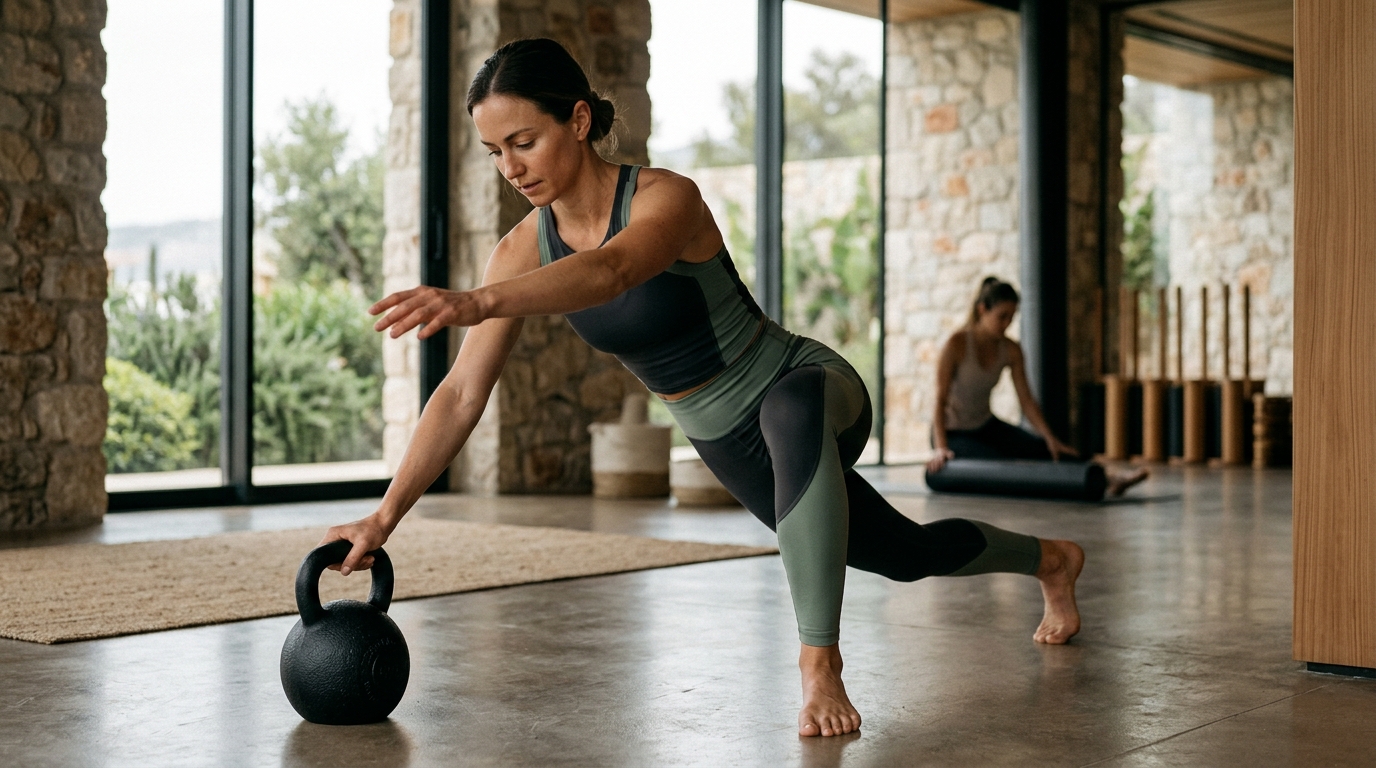
In the modern wellness landscape, the line between mobility and flexibility is often blurred, yet the distinction is critical for long-term physical health. According to recent biomechanical studies, individuals who prioritize active mobility over passive stretching see a 40% reduction in joint-related injuries over a two-year period. This data highlights why understanding the mechanics of your movement is essential for anyone looking to optimize their physical performance and daily comfort.
Defining Mobility and Flexibility
To make an informed decision about your fitness routine, you must first understand the fundamental mechanics at play. While often used interchangeably, these terms describe different physiological capabilities.
Mobility is the ability of a joint to move actively through a full range of motion with strength and control. It involves not just the flexibility of the muscles, but also the stability of the surrounding joints and the neurological control of the nervous system. For example, being able to squat deep with a straight back requires mobility in the hips, ankles, and thoracic spine.
Flexibility is the passive range of motion of a muscle or muscle group. It measures how far a joint can be moved by an external force, such as a trainer or gravity, without active muscle engagement. While flexibility is important, it does not guarantee that you can control that range of motion under load.
Understanding this distinction is the first step toward a balanced physique. At LIMBR, we emphasize that true wellness requires both elements working in harmony.
The Power of Active Mobility
Mobility training has exploded in popularity among athletes and office workers alike because it addresses the root cause of many movement dysfunctions. Unlike static stretching, mobility work engages your muscles dynamically, teaching them to stabilize and control movement at the end ranges of your joints.
For professionals with sedentary lifestyles, mobility is often the missing link in preventing chronic pain. Sitting for extended periods tightens the hip flexors and weakens the glutes, leading to lower back pain. Mobility exercises actively lengthen these tight areas while simultaneously strengthening the opposing muscle groups.
Research indicates that improved mobility correlates directly with better posture and reduced risk of injury in daily activities. By focusing on evidence-based mobility training, you are not just stretching; you are retraining your nervous system to move efficiently.
The Role of Passive Flexibility
Flexibility remains a cornerstone of physical health, particularly for recovery and relaxation. Passive flexibility allows for greater tissue elongation, which can be crucial for activities like yoga, dance, or martial arts where extreme ranges of motion are required.
However, flexibility without strength can lead to joint instability. If you have high flexibility but low mobility, your joints may lack the necessary support to handle stress, potentially leading to hypermobility injuries. This is why many physical therapists now recommend combining flexibility work with strength training.
Passive stretching is also highly effective for mental relaxation. Techniques such as assisted stretching at LIMBR help reduce cortisol levels and promote a state of calm, making it an essential component of holistic wellness.
Key Differences at a Glance
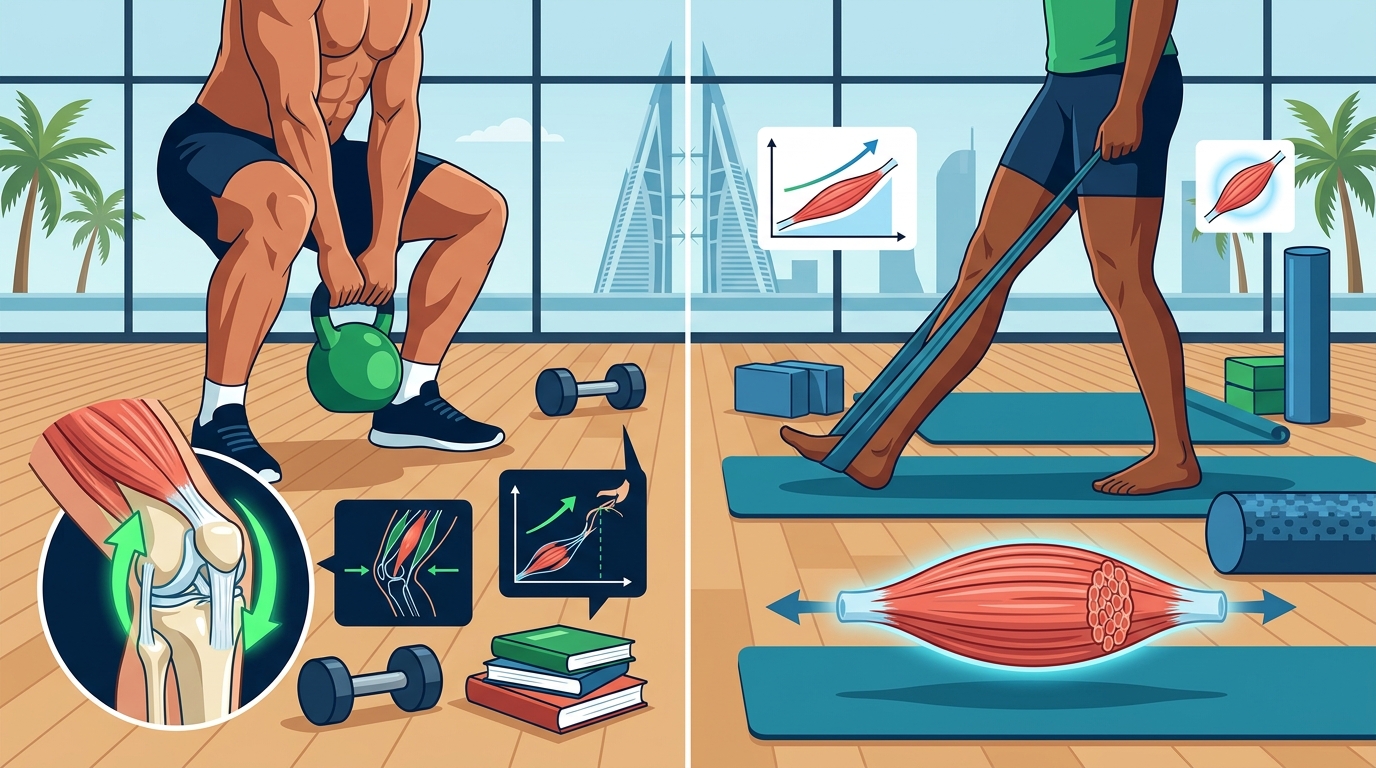
Choosing between mobility and flexibility depends on your specific goals. The table below outlines the primary distinctions to help you decide which approach aligns with your needs.
| Feature | Mobility Training | Flexibility Training |
|---|---|---|
| Primary Focus | Active control and strength | Passive range of motion |
| Muscle Engagement | High (Dynamic) | Low (Static) |
| Best For | Injury prevention and daily function | Recovery and extreme range needs |
| Equipment | Bodyweight or light resistance | Straps, balls, or partner assistance |
| Mental Benefit | Focus and body awareness | Relaxation and stress relief |
How LIMBR Integrates Both
At LIMBR, we do not view mobility and flexibility as competing disciplines. Instead, we integrate them into a cohesive wellness strategy. Our signature mobility classes are designed to build strength and control, while our therapeutic services address passive tissue release.
Our holistic approach includes state-of-the-art recovery tools such as infrared heat treatment and sensory deprivation tanks. These modalities enhance the benefits of both mobility and flexibility by reducing inflammation and promoting deep muscle relaxation. This comprehensive method ensures that clients achieve not just physical balance, but mental clarity as well.
Whether you are an athlete looking to enhance performance or a professional seeking relief from desk-induced stiffness, our tailored programs address your unique needs. We believe that mobility is a necessity, not a luxury, and that true health comes from the synergy of active and passive care.
Key Takeaways
- Mobility is active control: It combines flexibility with strength and neurological stability for functional movement.
- Flexibility is passive range: It measures the ability of muscles to lengthen without active engagement.
- Injury prevention: Active mobility training significantly reduces the risk of joint injuries in sedentary populations.
- Recovery benefits: Passive flexibility aids in mental relaxation and tissue elongation post-workout.
- Integrated approach: Combining both methods yields the best results for long-term physical health.
- LIMBR's expertise: Bahrain's first integrated center offers evidence-based programs for all fitness levels.
- Holistic wellness: Recovery tools like float tanks complement mobility work for optimal results.
Frequently Asked Questions
Is mobility training better than flexibility training?
Neither is inherently better; they serve different purposes. Mobility is superior for daily function and injury prevention, while flexibility is essential for recovery and extreme range of motion.
Can I do both mobility and flexibility exercises?
Yes, combining both is ideal. Many experts recommend starting with mobility work to activate joints, followed by flexibility stretching to aid recovery.
What is assisted stretching?
Assisted stretching is a technique where a trained professional helps you stretch your muscles passively, allowing for deeper release than self-stretching.
How often should I practice mobility?
For best results, mobility exercises should be performed daily, especially for those with sedentary jobs, to maintain joint health and posture.
Does LIMBR offer classes for beginners?
Absolutely. Our classes are designed for all levels, from complete beginners to advanced athletes, ensuring everyone can benefit from our programs.
What is the difference between stretching and mobility?
Stretching is typically passive and focuses on muscle length, whereas mobility is active and focuses on joint control and strength through a range of motion.
How does LIMBR help with recovery?
LIMBR offers unique therapeutic services like infrared heat and cold plunge therapy to accelerate muscle recovery and reduce inflammation after training.
Begin Your Transformation
Stop choosing between mobility and flexibility. Embrace a holistic approach that enhances both your physical performance and mental well-being. Visit LIMBR today to book your first session and discover the power of evidence-based mobility training in Bahrain.