

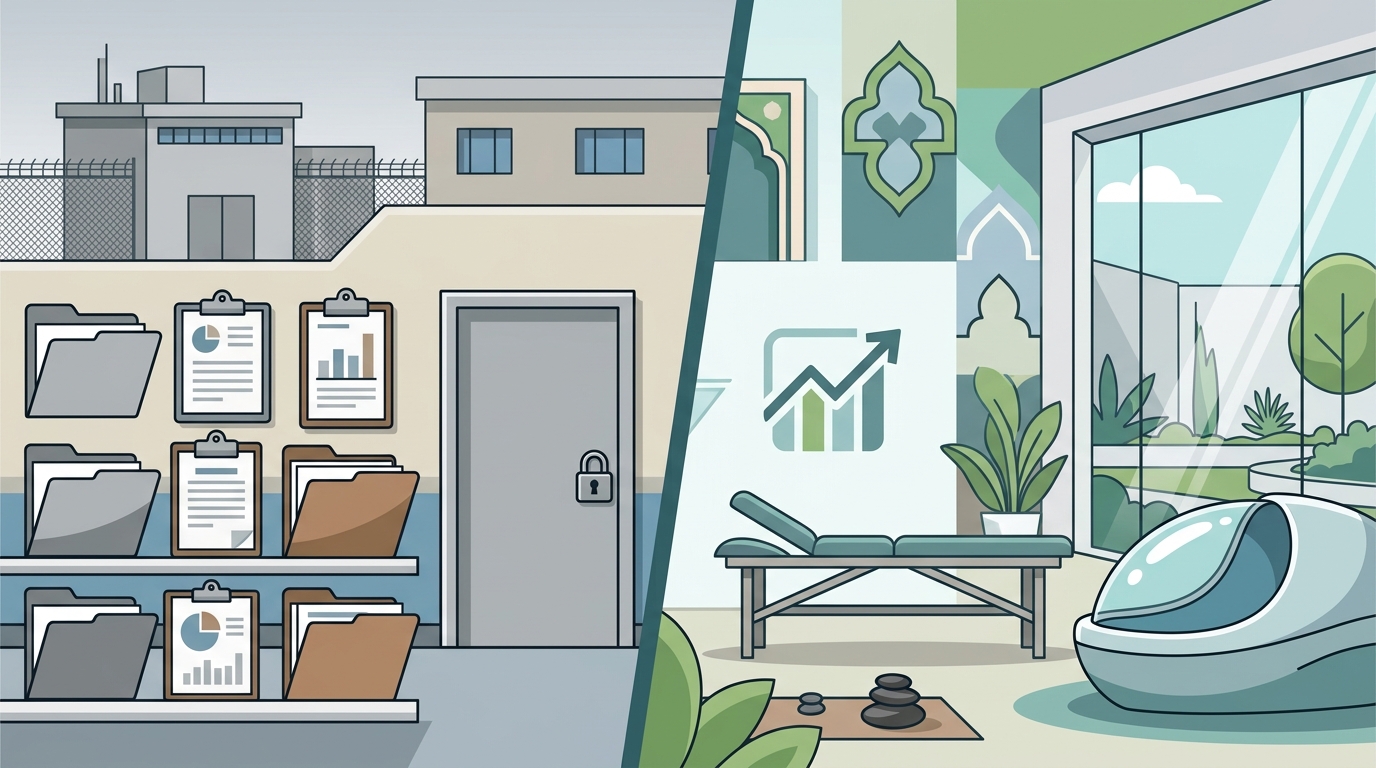
Traditional addiction treatment often relies on a one-size-fits-all approach that prioritizes containment over genuine healing. According to the National Institute on Drug Abuse, only 11% of people who need treatment for substance use actually receive it, largely due to rigid, outdated facility models that fail to address individual needs. Limbr Recovery in Bahrain challenges this status quo by integrating modern clinical psychology with culturally sensitive care. We do not just manage withdrawal; we rebuild the foundation of your life. This article explores exactly how our operational philosophy, therapeutic modalities, and post-care support structures stand apart from conventional rehabilitation centers in the region.
The Clinical Philosophy Shift
Most traditional facilities operate on a medical model that views addiction strictly as a disease to be managed through abstinence and medication. While abstinence is a goal, it is not the sole metric of success. At Limbr, we adopt a holistic recovery model. This means we treat the whole person, including their mental health, social environment, and spiritual well-being. Addiction is a complex interplay of biological, psychological, and social factors. By addressing all three, we prevent the cycle of relapse that often plagues patients in centers that only focus on the physical detoxification phase.
Our clinical team includes licensed psychologists and certified addiction counselors who work in tandem. This interdisciplinary approach ensures that co-occurring disorders, such as anxiety or depression, are treated simultaneously with substance use. Research indicates that treating co-occurring disorders significantly improves long-term recovery outcomes. We do not wait for the patient to stabilize before addressing underlying trauma. We integrate trauma-informed care from day one, creating a safe environment where vulnerability is met with professional support rather than judgment.
Advanced Therapeutic Modalities
Traditional centers often rely heavily on group therapy and standard cognitive behavioral therapy (CBT). While these are effective, they are not always sufficient for deep-seated issues. Limbr Recovery incorporates evidence-based modalities that target the root causes of addiction. One such method is Dialectical Behavior Therapy (DBT), which focuses on mindfulness and emotional regulation. DBT is a structured form of psychotherapy that teaches patients how to manage intense emotions. This is particularly effective for individuals who struggle with impulsivity or emotional dysregulation. (About)
We also utilize motivational interviewing techniques to help patients find their own internal drive for change. Instead of imposing will upon the patient, we guide them to discover their personal reasons for recovery. This method respects patient autonomy and builds self-efficacy. Furthermore, we integrate family therapy sessions to repair relational fractures caused by addiction. Family dynamics play a crucial role in both the development of addiction and the recovery process. By involving loved ones, we create a robust support network that extends beyond the facility walls.
Cultural and Regional Context
One of the most significant differentiators for Limbr Recovery is our deep understanding of the local cultural context. Many international or generic facilities fail to account for the specific social, religious, and familial pressures faced by individuals in Bahrain and the wider Gulf region. Cultural competence is the ability of a provider to effectively deliver healthcare within the context of a patient's cultural beliefs. We tailor our interventions to respect these values while promoting clinical best practices.
For instance, we incorporate spiritual counseling that aligns with the patient's personal beliefs, providing a sense of peace and purpose that resonates with their identity. We also address the stigma associated with mental health and addiction in the community by providing discreet, confidential services. Privacy is paramount in our region, and we ensure that all aspects of care are handled with the utmost discretion. This cultural alignment fosters trust, which is the cornerstone of effective therapy.
Technology-Driven Monitoring
Modern recovery requires modern tools. Limbr Recovery leverages technology to enhance monitoring and support. We use secure digital platforms for check-ins and progress tracking, allowing our team to maintain continuity of care even after discharge. This data-driven approach enables us to identify early warning signs of relapse and intervene proactively. Relapse is a common part of the recovery process for many individuals. By monitoring patterns in mood, sleep, and engagement, we can adjust treatment plans in real-time.
We also utilize telehealth options for follow-up sessions, ensuring that access to care is not limited by geography or mobility. This flexibility is crucial for maintaining momentum in recovery. Patients can attend therapy sessions from the comfort of their homes, reducing the barrier to entry for ongoing support. This hybrid model of in-person and digital care ensures that recovery is a continuous journey, not a temporary stay.
Post-Care Support Ecosystem
The period immediately following discharge is the most vulnerable for individuals in recovery. Traditional centers often provide a brief discharge plan and little follow-up. Limbr Recovery offers a comprehensive post-care support ecosystem. This includes regular alumni meetings, peer support groups, and access to a dedicated case manager for at least six months post-discharge. Continuity of care is essential for sustaining long-term sobriety. Our case managers help patients navigate housing, employment, and social reintegration challenges.
We also partner with local employers and community organizations to facilitate a smooth transition back into society. This network of support reduces the isolation that often leads to relapse. By connecting patients with positive social circles and professional opportunities, we help them build a new, sober life. Our alumni network provides a sense of belonging and accountability, reminding patients that they are never alone in their journey.
Method Comparison Overview
| Feature | Traditional Centers | Limbr Recovery |
|---|---|---|
| Primary Focus | Abstinence and Detox | Holistic Healing and Root Cause Analysis |
| Therapeutic Modalities | Standard Group Therapy | DBT, CBT, Motivational Interviewing, Family Therapy |
| Cultural Sensitivity | Generic International Models | Localized to Bahraini and Gulf Contexts |
| Post-Care Support | Minimal or None | 6-Month Case Management and Alumni Network |
| Technology Use | Low | High (Digital Monitoring and Telehealth) |
Key Takeaways
- Limbr Recovery uses a holistic model that addresses biological, psychological, and social factors, unlike traditional centers that focus mainly on detox.
- We integrate advanced therapies like DBT and motivational interviewing to target root causes rather than just symptoms.
- Our care is culturally tailored to the specific needs of patients in Bahrain, respecting local values and stigma concerns.
- Technology is used for proactive monitoring and telehealth, ensuring continuous support beyond the facility.
- A robust post-care ecosystem, including case management and alumni networks, is provided to prevent relapse.
- Family therapy is a core component, recognizing the impact of addiction on the entire family unit.
- Privacy and discretion are prioritized to align with regional cultural expectations.
Frequently Asked Questions
How does Limbr Recovery handle co-occurring mental health disorders?
We treat co-occurring disorders simultaneously with substance use through an interdisciplinary team of psychologists and addiction specialists. This integrated approach ensures that underlying mental health issues are addressed, which is critical for long-term recovery.
Is the treatment at Limbr culturally appropriate for local residents?
Yes, our protocols are specifically designed for the Bahraini and Gulf context. We incorporate cultural values, spiritual counseling, and family dynamics that are relevant to our patients, ensuring a respectful and effective therapeutic environment.
What kind of support is available after discharge?
Limbr provides a six-month post-care support plan that includes regular check-ins with a case manager, access to alumni meetings, and peer support groups. This ensures continuity of care and helps patients navigate the transition back to daily life.
Do you offer family therapy?
Absolutely. We believe that addiction affects the entire family. Our program includes structured family therapy sessions to repair relationships, educate loved ones, and build a supportive home environment for the patient.
How is technology used in your recovery process?
We use secure digital platforms for progress tracking, mood monitoring, and telehealth sessions. This allows our team to monitor patient well-being in real-time and provide immediate support when needed, even after discharge.
What makes your approach different from international rehab centers?
While international centers may offer high-quality care, they often lack the nuanced understanding of local cultural, social, and familial pressures. Limbr bridges this gap by combining global clinical best practices with deep local expertise.
Is confidentiality maintained throughout the process?
Yes, we prioritize patient privacy above all else. Our facilities and protocols are designed to ensure discretion, respecting the cultural importance of privacy in the region.
Begin Your Journey to Recovery
Recovery is not a one-size-fits-all journey. It requires a method that respects your individuality, your culture, and your unique challenges. Limbr Recovery offers a differentiated approach that goes beyond traditional treatment to provide lasting change. If you or a loved one is struggling with addiction, we invite you to explore our services. Contact Limbr Recovery today to schedule a confidential consultation and discover how our methods can support your path to a healthier future. Learn more about our treatment programs and take the first step toward reclaiming your life.