
Massage Therapy vs. Assisted Stretching: Which Recovery Method Is Right for You?
Recovery is not merely a luxury for athletes; it is a physiological necessity for anyone seeking to maintain long-term physical health. Research indicates that active recovery and manual therapies significantly reduce delayed onset muscle soreness (DOMS) and accelerate tissue repair. However, choosing between massage therapy and assisted stretching can be confusing. Both methods offer profound benefits, yet they operate through different biological mechanisms. Understanding these differences is critical for optimizing your wellness routine.
Mechanisms of Action: How They Work
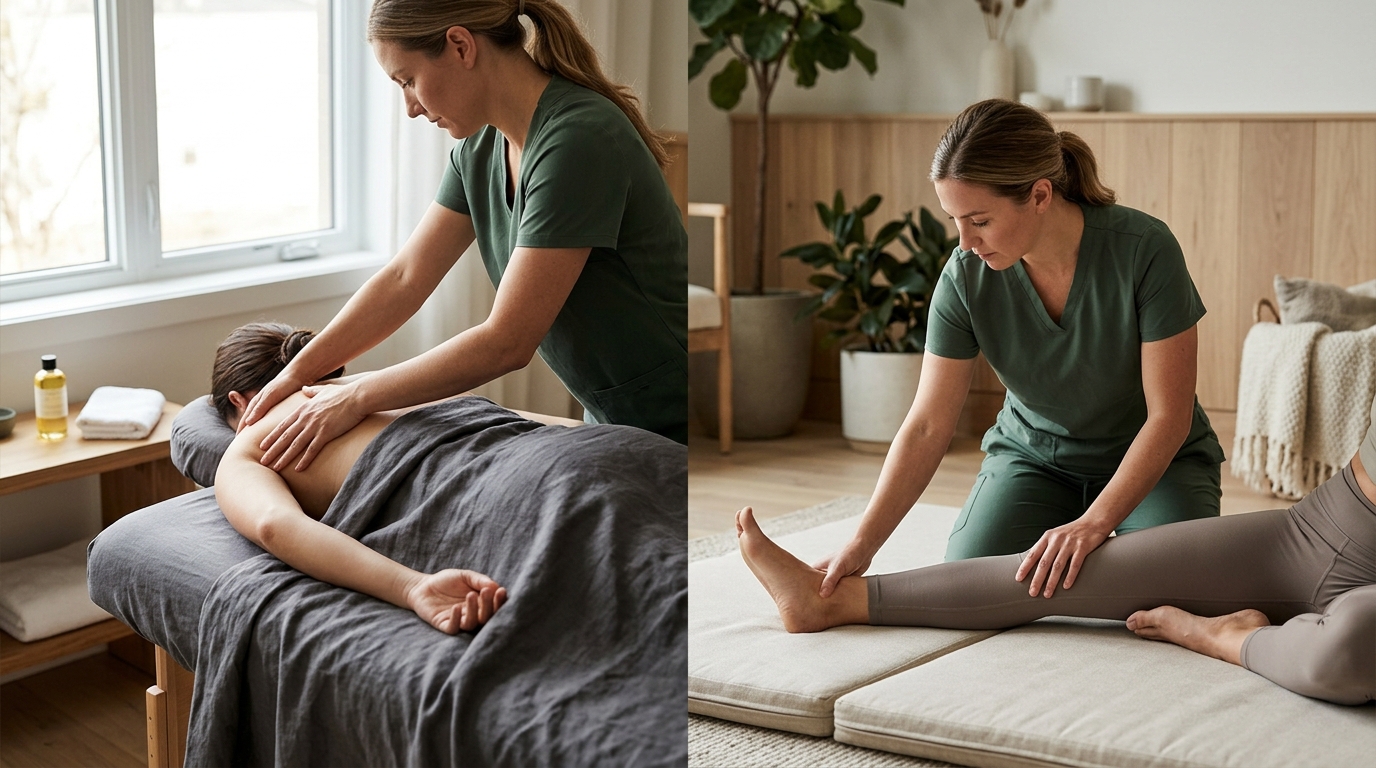
To understand the distinction, we must first define the core methodologies. Massage therapy is a manual technique involving the manipulation of soft body tissue to enhance health and well-being. It primarily targets the muscular and connective tissues through pressure, kneading, and friction. The goal is often to release tension, improve circulation, and stimulate the parasympathetic nervous system.
Assisted stretching is a passive flexibility training method where a trained therapist guides the client through specific stretches. Unlike self-stretching, the therapist uses their body weight and leverage to safely take the muscle beyond its normal range of motion. This method focuses on lengthening the muscle fibers and improving joint mobility rather than just relaxing the tissue.
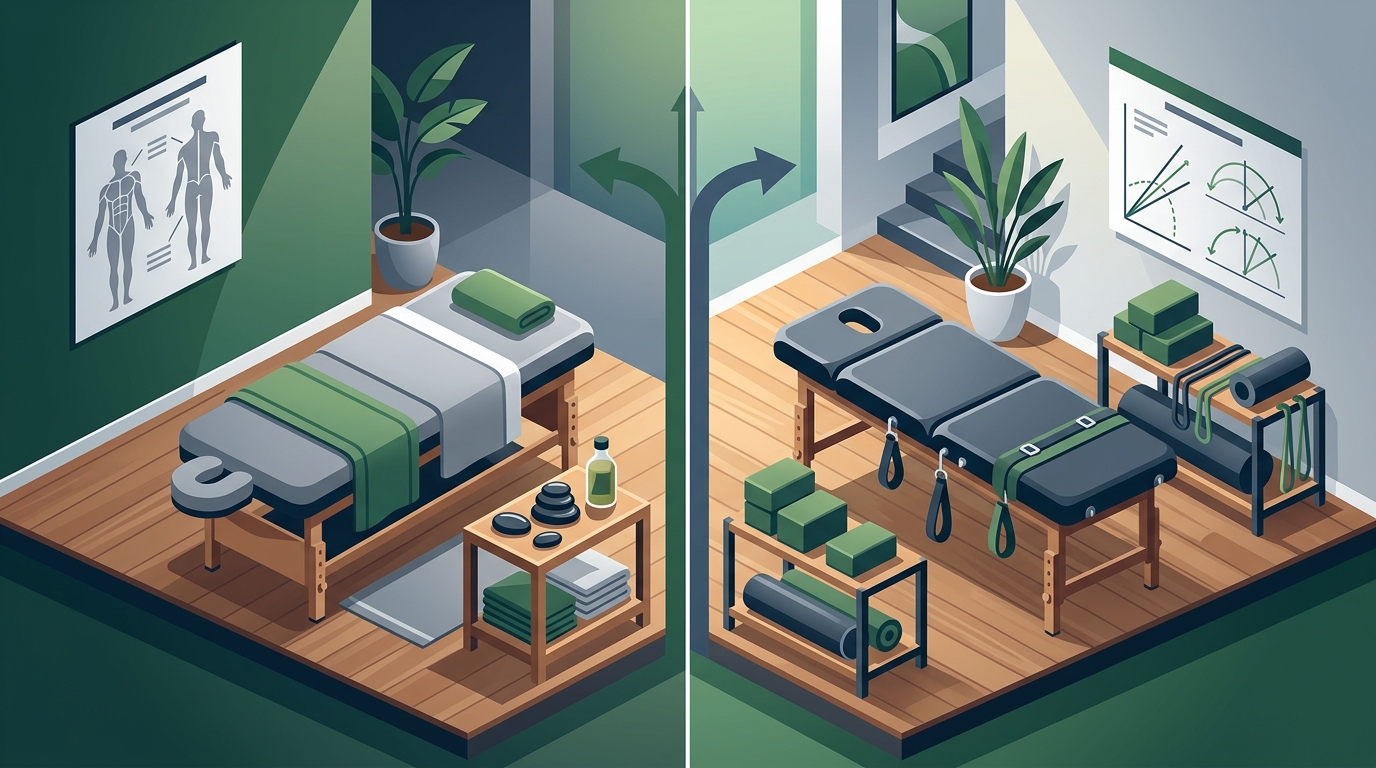
The fundamental difference lies in the outcome. Massage aims to relax and heal, while assisted stretching aims to lengthen and mobilize. Both are essential components of a holistic wellness strategy, but they serve different physiological needs.
The Benefits of Massage Therapy
Massage therapy has been utilized for centuries across various cultures for its healing properties. Modern science supports many of these traditional claims, highlighting several key benefits for physical and mental health.
Pain Relief and Tension Reduction
One of the most immediate benefits of massage is pain relief. Harvard Health reports that massage can help reduce chronic pain, such as lower back pain, by increasing blood flow and reducing inflammation. By targeting trigger points, therapists can alleviate knots that refer pain to other parts of the body.
Improved Circulation and Recovery
Massage stimulates blood flow, which helps deliver oxygen and nutrients to tired muscles. This increased circulation aids in the removal of metabolic waste products, such as lactic acid, which can accumulate after intense physical activity. Faster clearance of these waste products leads to quicker recovery times between workouts.
Stress Reduction and Mental Wellness
The mental benefits of massage are equally significant. Regular sessions have been shown to lower cortisol levels, the body's primary stress hormone. This reduction in stress can lead to improved sleep quality, reduced anxiety, and an overall sense of well-being. For individuals with sedentary lifestyles, massage can also help counteract the physical effects of prolonged sitting.
The Benefits of Assisted Stretching
While massage focuses on relaxation, assisted stretching focuses on structural improvement. This method is particularly beneficial for individuals looking to improve their range of motion and prevent future injuries.
Enhanced Flexibility and Range of Motion
Assisted stretching allows for a deeper stretch than is typically possible on one's own. The therapist can safely guide the body into positions that target specific muscle groups, such as the hip flexors, hamstrings, and shoulders. This increased flexibility is crucial for athletes who need to maintain peak performance and for older adults who wish to preserve mobility.
Posture Correction and Alignment
Many modern lifestyle issues, such as poor posture, stem from tight muscles pulling the skeleton out of alignment. Assisted stretching helps lengthen these tight muscles, allowing the body to return to its natural, neutral position. This correction can reduce strain on the spine and joints, preventing chronic pain and discomfort.
Injury Prevention
Tight muscles are more prone to strains and tears. By regularly lengthening these muscles through assisted stretching, you reduce the risk of injury during physical activity. Medical experts note that improved flexibility allows joints to move through their full range of motion, reducing stress on connective tissues.
Comparison Table: Key Differences
The following table summarizes the primary differences between massage therapy and assisted stretching to help you make an informed decision.
| Feature | Massage Therapy | Assisted Stretching |
|---|---|---|
| Primary Goal | Relaxation, pain relief, circulation | Flexibility, mobility, alignment |
| Technique | Kneading, pressure, friction | Passive stretching, leverage |
| Best For | Stress, muscle knots, recovery | Tightness, range of motion, posture |
| Sensation | Deep pressure, soothing | Stretching sensation, release |
| Frequency | Weekly or bi-weekly | 1-2 times per week |
Choosing the Right Method for Your Needs
Selecting between massage and assisted stretching depends on your current physical state and wellness goals. If you are experiencing acute pain, high stress, or muscle fatigue, massage therapy may be the more appropriate choice. It provides immediate relief and helps the body relax.
Conversely, if you feel stiff, have limited range of motion, or are preparing for a specific athletic event, assisted stretching is likely more beneficial. It actively works to improve your body's functionality and prepare it for movement.
For many individuals, a combination of both methods yields the best results. Alternating between massage and stretching can address both immediate pain and long-term structural issues. This integrated approach ensures that the body remains both relaxed and mobile.
The LIMBR Integrated Approach
At LIMBR, we believe that true wellness requires a holistic approach. We do not view massage and stretching as competing services but as complementary tools in your recovery toolkit. Our facility in Manama, Bahrain, is designed to provide both modalities under one roof, allowing for seamless integration into your wellness routine.
Our services include specialized assisted stretching sessions that target specific muscle groups to improve mobility. Additionally, we offer therapeutic massages that help release tension and promote relaxation. By combining these techniques, we help our clients achieve optimal physical and mental balance.
We also provide unique recovery services such as infrared heat treatment and cold plunge therapy. These modalities further enhance the benefits of massage and stretching by reducing inflammation and improving circulation. Our state-of-the-art facilities ensure that every session is conducted in a serene and professional environment.
Key Takeaways
- Mechanism Difference: Massage focuses on relaxation and pain relief, while assisted stretching targets flexibility and joint mobility.
- Pain Management: Massage is highly effective for immediate pain relief and reducing muscle tension.
- Mobility Improvement: Assisted stretching is superior for increasing range of motion and correcting posture.
- Injury Prevention: Regular stretching helps prevent injuries by keeping muscles long and supple.
- Stress Reduction: Massage therapy significantly lowers cortisol levels and promotes mental well-being.
- Integrated Care: Combining both methods provides comprehensive physical and mental health benefits.
- LIMBR Expertise: LIMBR offers both services along with advanced recovery tools like float tanks and sauna.
Frequently Asked Questions
Is assisted stretching painful?
Assisted stretching should not be painful. A skilled therapist will guide you to the edge of your comfort zone, ensuring a deep stretch without causing injury. You may feel tension, but it should be a manageable and relieving sensation.
How often should I get a massage?
The frequency of massage depends on your individual needs. For general wellness, once a month may suffice. For athletes or those with chronic pain, weekly or bi-weekly sessions are often recommended.
Can I do both massage and assisted stretching in the same session?
Yes, many clients benefit from combining both. Massage can help relax the muscles, making them more receptive to stretching. Assisted stretching can then lengthen the relaxed muscles, maximizing the benefits of the session.
What is the difference between deep tissue massage and regular massage?
Deep tissue massage targets the deeper layers of muscle and connective tissue. It uses slower strokes and more pressure to address chronic tension. Regular massage is generally lighter and focuses on overall relaxation.
Who should avoid assisted stretching?
Individuals with certain acute injuries, fractures, or severe osteoporosis should consult a physician before undergoing assisted stretching. It is important to communicate any medical conditions to your therapist.
Does massage help with flexibility?
While massage primarily relaxes muscles, it can indirectly improve flexibility by reducing tension that restricts movement. However, for significant gains in range of motion, assisted stretching is more effective.
What are the benefits of infrared heat treatment?
Infrared heat treatment penetrates the skin to warm the body from within. This promotes detoxification, improves circulation, and aids in muscle recovery. It is often used in conjunction with massage and stretching for enhanced results.
Begin Your Recovery Journey
Whether you need the deep relaxation of massage or the structural improvements of assisted stretching, LIMBR is here to support your wellness goals. Our expert team is dedicated to helping you move better, feel better, and live better. Visit our About page to learn more about our mission and team. Explore our classes to find the perfect program for your needs. Contact us today to book your session and experience the difference of integrated wellness care.