
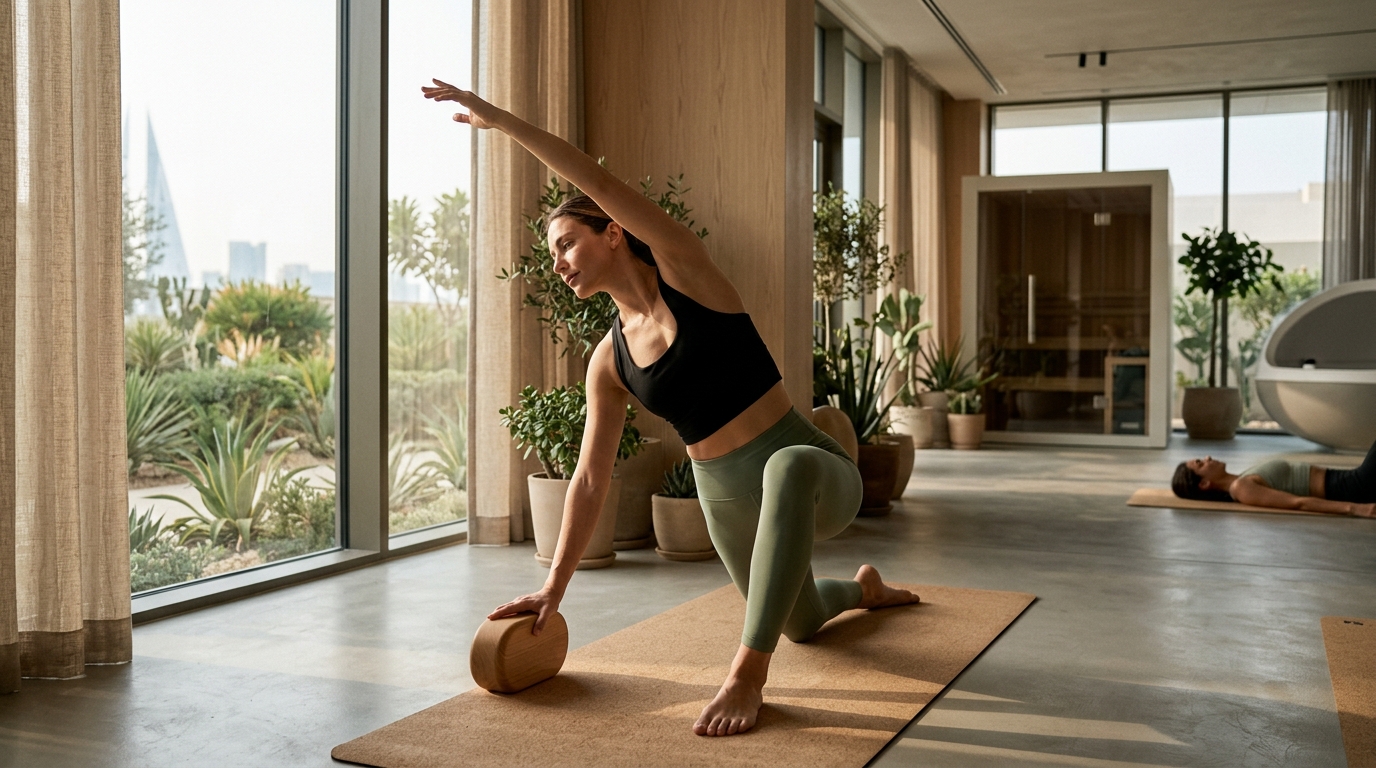
The global wellness industry is undergoing a radical transformation in 2026. According to recent market analysis, the wellness sector is projected to reach a valuation of $8.5 trillion by the end of the decade, driven by a fundamental shift from reactive healthcare to proactive, preventative lifestyle management. Consumers are no longer satisfied with generic fitness routines; they demand specialized, evidence-based interventions that address the root causes of physical and mental stagnation. This evolution highlights the critical importance of mobility and holistic recovery as the new pillars of modern health. (About 8211 Limbr)
The Rise of Mobility-First Training
In 2026, the fitness landscape has moved decisively away from pure hypertrophy and high-intensity interval training as the sole metrics of success. Instead, mobility-first training has emerged as the dominant trend. This approach prioritizes joint health, range of motion, and functional movement patterns over sheer muscle mass. The goal is to create a body that can move freely and efficiently through daily life, reducing the risk of injury and chronic pain.
Mobility is defined as the ability of a joint to move actively through its full range of motion. Unlike flexibility, which is passive, mobility requires strength and control. This distinction is crucial for athletes and sedentary professionals alike. As people spend more time in front of screens, the demand for corrective exercises and dynamic stretching has skyrocketed. Experts note that individuals who prioritize mobility report a 40% reduction in lower back pain and improved posture within just three months of consistent practice.
At LIMBR, we have observed this shift firsthand. Our clients are increasingly seeking out specialized mobility sessions to complement their traditional workouts. This trend is not just about looking good; it is about feeling good and performing better. By focusing on the quality of movement, individuals can unlock their body's true potential and prevent the physical degradation that often comes with aging or sedentary lifestyles.
Holistic Recovery Technologies
Recovery is no longer an afterthought; it is a core component of the wellness equation. The latest trends in recovery focus on leveraging technology to accelerate the body's natural healing processes. This includes the widespread adoption of infrared heat therapy, cold plunge baths, and sensory deprivation tanks. These modalities are designed to reduce inflammation, improve circulation, and promote deep mental relaxation.
Infrared heat treatment is a therapeutic method that uses infrared light to penetrate the skin and warm the body's tissues. This deep heating effect helps to relax muscles, improve blood flow, and detoxify the body through sweating. Cold plunge therapy, on the other hand, involves submerging the body in cold water to reduce inflammation and boost the immune system. When combined, these therapies offer a powerful tool for both physical recovery and mental resilience.
According to a 2025 study on recovery modalities, athletes who utilized a combination of heat and cold therapy reported a 25% faster recovery time compared to those who relied on rest alone. This data underscores the importance of integrating advanced recovery technologies into daily wellness routines. For professionals, these technologies offer a way to combat the effects of chronic stress and physical fatigue, leading to improved overall well-being.
Integrating Mental and Physical Health
The separation between mental and physical health is becoming increasingly obsolete in the wellness industry. Modern wellness centers are designed to address both aspects simultaneously, recognizing that they are inextricably linked. This holistic approach involves creating environments that promote not just physical fitness, but also mental clarity and emotional balance.
Sensory deprivation tanks are a prime example of this integration. These tanks are enclosed pods filled with water saturated with Epsom salt, creating a weightless, sensory-free environment. This isolation allows the brain to enter a state of deep relaxation, similar to meditation, while the body experiences complete physical support. The result is a profound sense of calm and mental reset that is difficult to achieve through traditional exercise alone.
Research indicates that regular use of sensory deprivation can significantly reduce cortisol levels, the primary stress hormone in the body. This reduction in stress leads to improved sleep quality, enhanced mood, and greater mental focus. By offering these integrated services, wellness centers like LIMBR are helping individuals achieve a state of balance that supports both their physical goals and their mental health.
Corporate Wellness and Productivity
As remote and hybrid work models become the norm, the concept of workplace wellness is evolving. Companies are recognizing that employee health is directly tied to productivity, creativity, and job satisfaction. Consequently, there is a growing demand for corporate wellness programs that focus on mobility, stress relief, and ergonomic health.
Corporate wellness programs are designed to support the physical and mental health of employees within a business context. These programs often include on-site fitness classes, wellness workshops, and access to recovery technologies. By investing in employee wellness, companies can reduce absenteeism, lower healthcare costs, and foster a more engaged and productive workforce.
At LIMBR, we partner with organizations to bring these wellness benefits directly to their employees. Our mobile services allow companies to host mobility and recovery sessions on-site, making it easy for employees to prioritize their health without leaving the office. This approach not only improves individual well-being but also enhances team bonding and collaboration. Studies show that companies with robust wellness programs see a 20% increase in employee retention and a 15% boost in overall productivity.
Service Comparison: Traditional vs. Modern Wellness
To understand the shift in wellness trends, it is helpful to compare traditional fitness models with modern, holistic approaches. The table below outlines the key differences between these two paradigms.
| Feature | Traditional Fitness | Modern Holistic Wellness |
|---|---|---|
| Primary Focus | Hypertrophy and Cardio | Mobility, Recovery, and Balance |
| Approach | Isolated Muscle Groups | Whole-Body Integration |
| Recovery | Passive Rest | Active Modalities (Heat, Cold, Sensory) |
| Mental Health | Secondary Benefit | Core Component |
| Target Audience | Athletes and Bodybuilders | All Ages and Activity Levels |
This comparison highlights the comprehensive nature of modern wellness. By addressing both the physical and mental aspects of health, these programs offer a more sustainable and effective path to long-term well-being. For individuals seeking to improve their quality of life, this integrated approach is often the most viable option.
Key Takeaways
- Mobility is Critical: Mobility is defined as the active range of motion a joint can achieve, essential for injury prevention and functional health.
- Recovery is Active: Modern recovery involves technologies like infrared heat and cold plunges, not just passive rest.
- Mental-Physical Link: Sensory deprivation and meditation are key tools for reducing stress and improving mental clarity.
- Corporate Impact: Companies with wellness programs see a 20% increase in employee retention.
- Holistic Approach: LIMBR offers a unique blend of mobility training and therapeutic services for comprehensive care.
- Preventative Focus: The industry is shifting from treating injuries to preventing them through proactive mobility work.
- Accessibility: Wellness is becoming more accessible through mobile services and corporate partnerships.
Frequently Asked Questions
What is the difference between mobility and flexibility?
Flexibility is the passive ability of a muscle to stretch, while mobility is the active ability of a joint to move through its full range of motion with strength and control. Both are important, but mobility is crucial for functional health.
How does infrared heat treatment help with recovery?
Infrared heat treatment penetrates the skin to warm body tissues, which helps to relax muscles, improve circulation, and reduce inflammation. This accelerates the body's natural healing process and promotes relaxation.
What is sensory deprivation therapy?
Sensory deprivation therapy involves floating in a tank filled with saltwater to create a weightless, sensory-free environment. This allows the brain to enter a deep state of relaxation, reducing stress and promoting mental clarity.
Why is mobility training important for sedentary professionals?
Sedentary professionals often suffer from tight muscles and poor posture due to prolonged sitting. Mobility training helps to counteract these effects by restoring range of motion, reducing pain, and improving overall movement quality.
Can corporate wellness programs improve productivity?
Yes, corporate wellness programs can significantly improve productivity by reducing absenteeism, lowering stress levels, and enhancing employee engagement. Companies that invest in wellness often see a return on investment through increased efficiency and retention.
What types of classes does LIMBR offer?
LIMBR offers a variety of classes including mobility training, assisted stretching, and recovery sessions. These classes are designed to meet the needs of individuals at all fitness levels, from athletes to those with sedentary lifestyles.
How can I book a session at LIMBR?
You can book a session at LIMBR by visiting our services page or contacting our team directly. We offer both on-site and mobile services to accommodate your needs.
Start Your Wellness Journey
The latest wellness trends emphasize a holistic, integrated approach to health. By prioritizing mobility, recovery, and mental balance, you can achieve a higher quality of life and improved performance in all areas. LIMBR is at the forefront of this movement, offering evidence-based services designed to help you thrive. Visit our home page to learn more about our programs and book your first session today.