
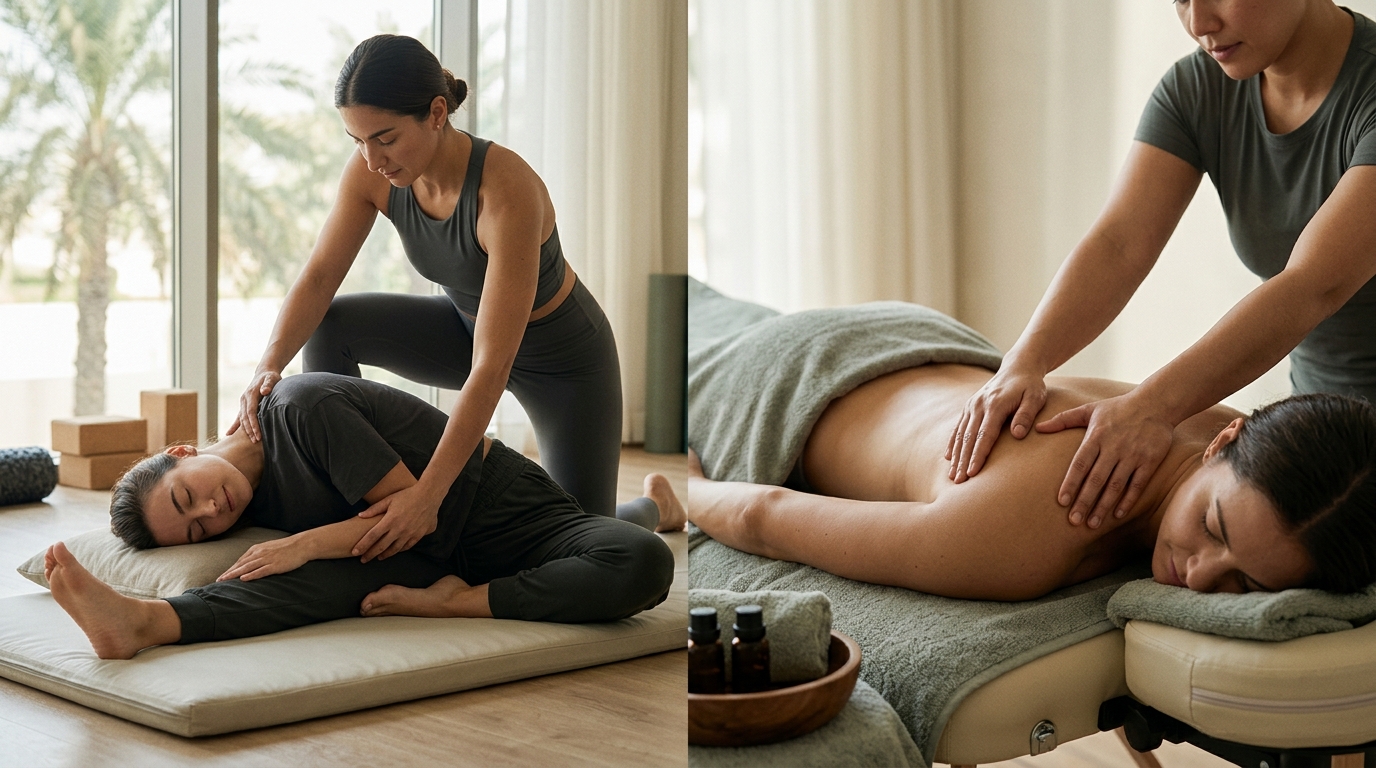
Choosing the right recovery protocol is often the difference between consistent progress and chronic stagnation. Recent industry data indicates that over 60% of fitness enthusiasts experience recurring muscle tightness due to inadequate recovery strategies. This statistic highlights a critical gap in how individuals approach post-workout care. Many people default to a single method without understanding the physiological nuances of each. At LIMBR, we see this confusion daily. Clients often arrive seeking relief but lack the clarity to choose between deep tissue manipulation and structural lengthening. This guide dissects the core differences to help you make an informed decision for your specific physical needs.
Understanding the Mechanisms
To make the right choice, you must first understand what each modality actually does to your physiology. Massage therapy and assisted stretching operate on entirely different principles. One focuses on soft tissue manipulation, while the other focuses on structural alignment and range of motion.
Massage therapy is a hands-on technique that manipulates the soft tissues of the body to promote relaxation and reduce tension. It works by applying pressure to muscles, tendons, and ligaments. This pressure increases blood flow and helps break down adhesions, which are knots or tight bands of muscle fibers. The primary goal is often immediate relief from pain and stress.
Assisted stretching is a passive flexibility training method where a therapist guides your body through specific ranges of motion. Unlike massage, which works on the surface and depth of the muscle belly, assisted stretching targets the muscle-tendon junction and the joint capsule. It aims to lengthen shortened muscles and improve overall mobility. This method is crucial for restoring functional movement patterns that are lost due to sedentary lifestyles or repetitive strain.
Massage Therapy Benefits
Massage therapy has been a cornerstone of wellness for centuries. Its benefits are well-documented and highly sought after for acute pain management and relaxation. At LIMBR, we offer specialized body and face massages designed to relieve tension and improve circulation.
Acute Pain Relief
When you experience a sudden injury or a sharp, localized pain, massage is often the first line of defense. Deep tissue massage can help break down scar tissue and reduce inflammation in the affected area. This is particularly effective for athletes dealing with micro-tears from intense training. According to a study published in the Journal of Clinical Rheumatology, massage therapy can significantly reduce delayed onset muscle soreness (DOMS) after intense exercise.
Stress Reduction and Mental Health
The mental benefits of massage are just as profound as the physical ones. Massage triggers the parasympathetic nervous system, which is responsible for the "rest and digest" response. This leads to a decrease in cortisol levels and an increase in serotonin and dopamine. For individuals dealing with high-stress environments, this chemical shift is vital for overall well-being. Harvard Health Publishing notes that relaxation techniques like massage can lower blood pressure and heart rate.
Improved Circulation
Massage physically moves blood and lymphatic fluid through the body. This enhanced circulation helps deliver oxygen and nutrients to tired muscles while flushing out metabolic waste products like lactic acid. This process accelerates the recovery timeline after a workout. It also supports the immune system by promoting lymphatic drainage.
Assisted Stretching Advantages
While massage provides relief, assisted stretching provides structural change. It is a proactive approach to wellness that addresses the root cause of many movement issues. LIMBR specializes in evidence-based mobility training to help clients move better and feel better.
Restoring Range of Motion
As we age or sit for prolonged periods, our muscles shorten and tighten. This leads to restricted range of motion and poor posture. Assisted stretching gently elongates these shortened muscles, restoring their original length. This is critical for preventing injuries. When muscles are tight, they pull on joints, leading to misalignment and pain. By lengthening the muscle, you reduce the strain on the joint.
Enhanced Athletic Performance
For athletes, flexibility is not just about looking limber. It is about power and efficiency. A muscle that can contract and relax through a full range of motion generates more force. Research from Sportsmith indicates that improved flexibility can enhance athletic performance by allowing for greater power output. Assisted stretching ensures that your muscles are ready to perform at their peak without the risk of strain.
Posture Correction
Sedentary lifestyles are a major cause of poor posture. Tight hip flexors and chest muscles pull the body forward, leading to rounded shoulders and neck pain. Assisted stretching targets these specific areas to pull the body back into alignment. This is not just about aesthetics. Proper posture reduces the load on the spine and prevents chronic back pain. The Mayo Clinic emphasizes that good posture reduces strain on muscles and ligaments.
Comparing Outcomes
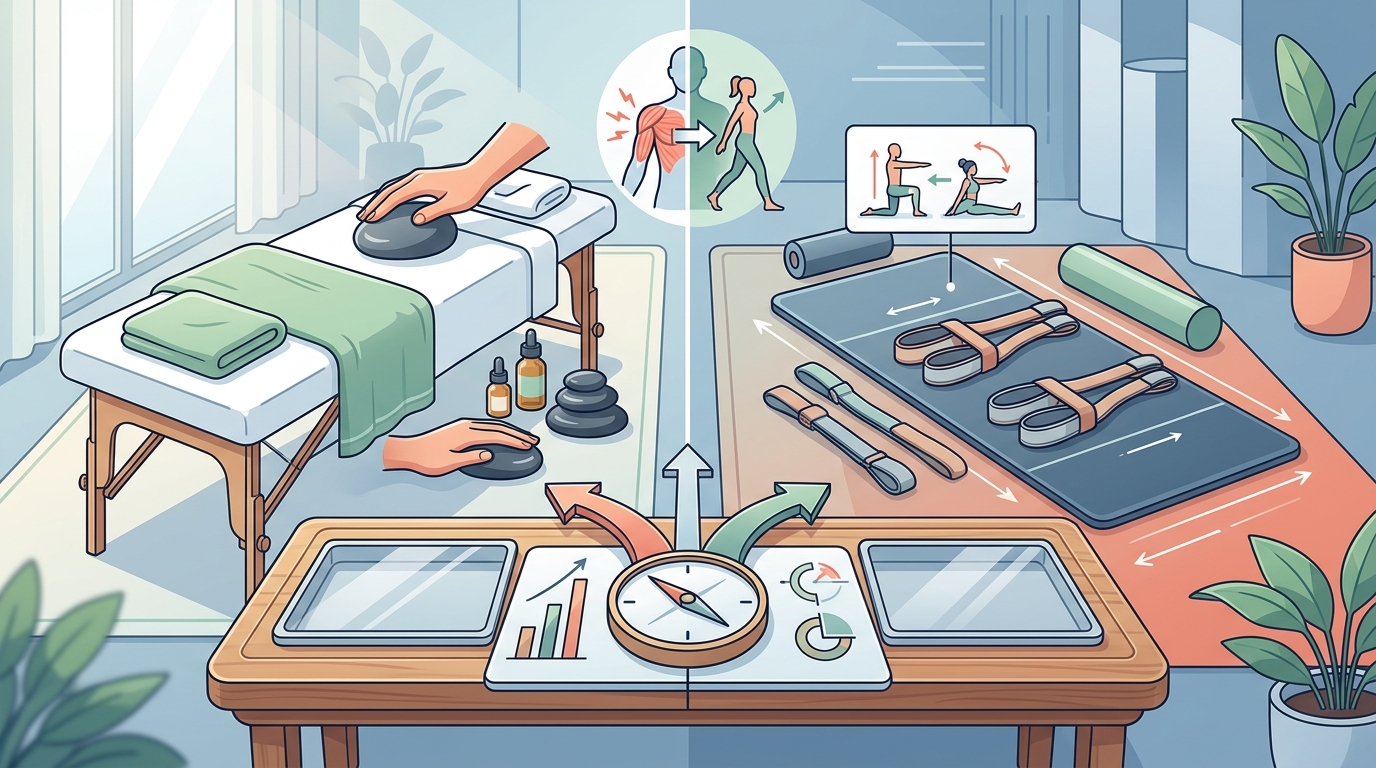
Choosing between massage and assisted stretching depends on your immediate goals. Here is a breakdown of how they compare across key metrics.
| Criteria | Massage Therapy | Assisted Stretching |
|---|---|---|
| Primary Goal | Pain relief and relaxation | Improved flexibility and mobility |
| Best For | Acute injuries, stress, knots | Chronic tightness, posture, performance |
| Duration of Effect | Immediate but short-term | Gradual but long-term structural change |
| Physiological Impact | Increased blood flow, reduced cortisol | Lengthened muscle fibers, improved ROM |
| Frequency Recommended | Weekly or as needed | 2-3 times per week for optimal results |
Choosing the Right Path
There is no one-size-fits-all answer. The best approach often involves a combination of both modalities. However, you should prioritize one based on your current physical state.
Choose Massage Therapy If:
- You are experiencing acute pain or a specific injury.
- You are feeling mentally stressed and need immediate relaxation.
- You have deep, persistent knots that stretching cannot reach.
- You need post-workout recovery to flush out metabolic waste.
Choose Assisted Stretching If:
- You feel stiff and restricted in your daily movements.
- You are an athlete looking to improve performance and prevent injury.
- You have poor posture due to a sedentary job.
- You want to address the root cause of chronic tightness.
At LIMBR, we recommend a holistic approach. Our blog posts often highlight how integrating mobility training with recovery services yields the best results. For example, a session of assisted stretching can prepare your muscles for deeper massage work, while massage can relax the muscles enough to allow for deeper stretching.
Key Takeaways
- Mechanism Difference: Massage manipulates soft tissue for relief, while assisted stretching lengthens muscles for mobility.
- Pain vs. Prevention: Massage is ideal for acute pain, whereas assisted stretching is superior for preventing future injuries.
- Performance Boost: Assisted stretching directly enhances athletic performance by improving range of motion and power output.
- Stress Relief: Massage triggers the parasympathetic nervous system, offering immediate mental and physical relaxation.
- Posture Correction: Assisted stretching targets tight muscles caused by sedentary lifestyles, correcting alignment and reducing spinal strain.
- Combined Approach: Using both modalities together provides the most comprehensive recovery and wellness benefits.
- Professional Guidance: Expert-led sessions at LIMBR ensure safety and maximize the effectiveness of each treatment.
Frequently Asked Questions
Can I do both massage and assisted stretching in the same week?
Yes, combining both is highly recommended. Many clients find that alternating between the two provides the best results. Massage can help relax tight muscles, making assisted stretching more effective. Conversely, stretching can prepare the body for deeper massage work.
Which is better for back pain?
It depends on the cause. If the pain is due to muscle spasms or knots, massage is often more effective. If the pain is due to tight hip flexors or hamstrings pulling on the spine, assisted stretching is the better choice. A professional assessment can help determine the root cause.
How often should I get assisted stretching?
For optimal results, we recommend assisted stretching 2-3 times per week. Consistency is key to seeing long-term improvements in flexibility and mobility. Healthline suggests that regular stretching is essential for maintaining joint health.
Is assisted stretching painful?
Assisted stretching should never be painful. It should feel like a deep, comfortable stretch. If you feel sharp pain, you should communicate with your therapist immediately. The goal is to gently elongate the muscle, not to force it beyond its limits.
Can massage therapy replace stretching?
No, massage therapy cannot fully replace stretching. While massage can temporarily loosen muscles, it does not lengthen them in the same way that assisted stretching does. To maintain long-term flexibility and mobility, stretching is essential.
What should I wear to an assisted stretching session?
Wear comfortable, flexible clothing that allows for a full range of motion. Avoid restrictive jeans or tight shirts. Athletic wear, such as leggings and a tank top, is ideal. WebMD notes that proper attire is important for effective stretching.
How do I book a session at LIMBR?
You can book a session by visiting our home page or contacting us directly at +973 1723 0300. We are located at Pavilion Centre, Al Seef, Manama, Bahrain.
Start Your Recovery Journey Today
Don't let pain and stiffness hold you back. Whether you need the immediate relief of massage or the long-term benefits of assisted stretching, LIMBR is here to help. Our expert team is dedicated to guiding you toward a healthier, more flexible life. Book your session today and experience the difference of evidence-based wellness care.