

Mobility Training vs. Traditional Fitness: Which Is Right for Your Body?
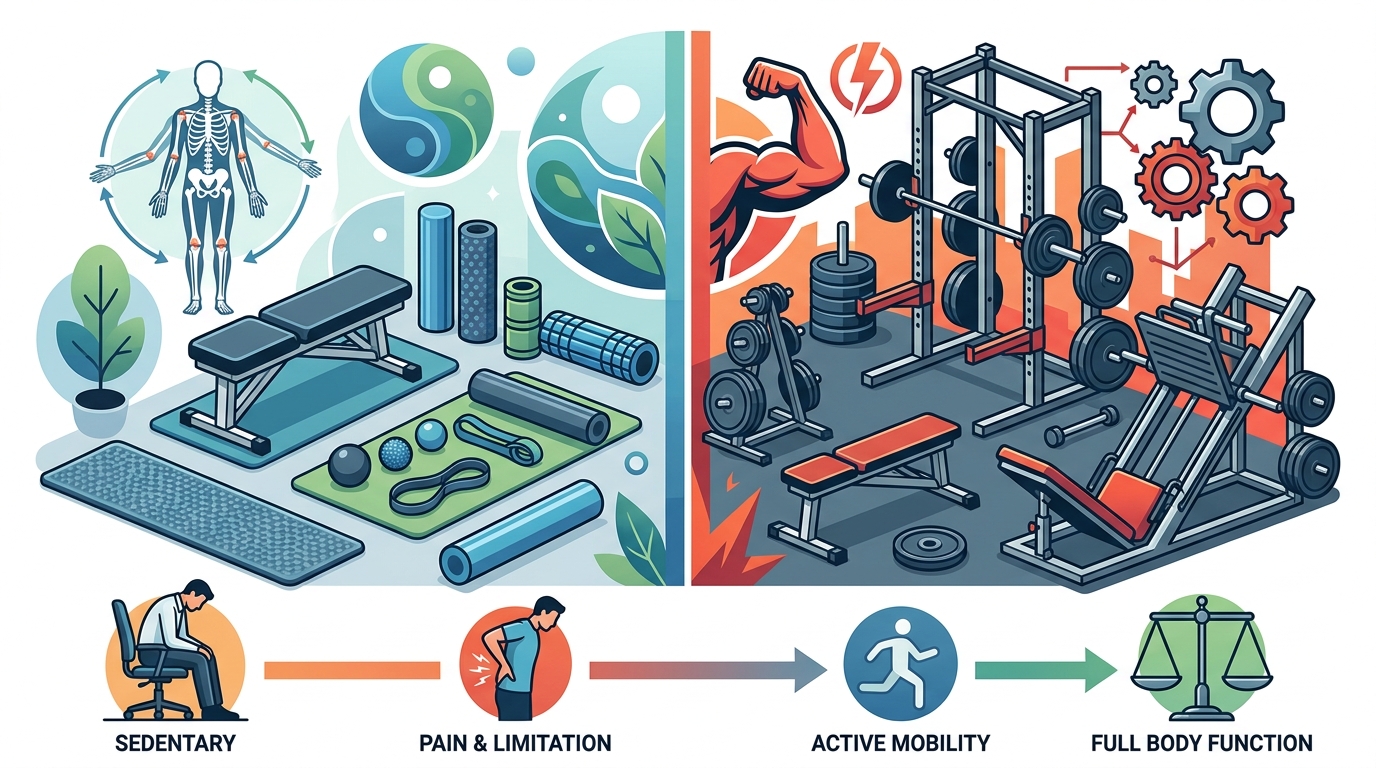
In a world where sedentary lifestyles have become the norm, the definition of fitness is shifting. Mobility training is the practice of actively improving joint range of motion and muscle flexibility through targeted movement. This stands in stark contrast to traditional fitness, which often prioritizes hypertrophy or cardiovascular endurance. Recent industry analysis indicates that over 60% of adults suffer from chronic pain linked to poor mobility, a statistic that highlights the urgent need for effective movement strategies. Understanding the core differences between these approaches is essential for anyone looking to optimize their physical health.
Core Differences in Methodology
The fundamental divergence between mobility training and traditional fitness lies in their primary objectives. Traditional fitness often focuses on the quantity of movement, such as lifting heavier weights or running longer distances. Mobility training, however, focuses on the quality of movement. It ensures that joints can move freely through their full range of motion without pain or restriction.
At LIMBR, we observe that many individuals attempt to force traditional exercises without adequate mobility. This often leads to compensatory movements and eventual injury. Mobility training addresses the root cause by enhancing the body's structural integrity. It is not merely about stretching; it is about active control and strength at the end ranges of motion.
The Case for Mobility Training
Mobility training offers unique advantages that traditional gym routines often overlook. One of the most significant benefits is the reduction of chronic pain. By improving joint health and muscle elasticity, individuals can alleviate the stiffness associated with desk jobs or aging. This approach is particularly effective for those recovering from injuries, as it rebuilds strength in a safe, controlled manner.
Furthermore, mobility work enhances overall performance in other physical activities. Whether you are a runner or a weightlifter, greater range of motion allows for more efficient power transfer. This means you can perform better with less effort. Our clients at LIMBR frequently report feeling more energetic and less fatigued after incorporating regular mobility sessions into their routine.
The Role of Traditional Fitness
While mobility is crucial, traditional fitness remains a cornerstone of physical health. Traditional workouts, such as weightlifting and cardio, are highly effective for building muscle mass, burning calories, and improving cardiovascular endurance. These activities are essential for metabolic health and bone density, particularly as we age.
However, traditional fitness can sometimes lead to muscle imbalances if not paired with flexibility work. For example, excessive weightlifting without adequate stretching can result in shortened muscles and restricted joint movement. This is why a balanced approach is often recommended. Integrating mobility training can mitigate these risks, ensuring that strength gains are functional and sustainable.
Head-to-Head Comparison
To help you decide which path aligns with your goals, we have compiled a detailed comparison of mobility training and traditional fitness. This table highlights the key distinctions in focus, outcomes, and suitability.
| Feature | Mobility Training | Traditional Fitness |
|---|---|---|
| Primary Focus | Joint range of motion and flexibility | Muscle hypertrophy and cardiovascular endurance |
| Best For | Pain relief and injury prevention | Weight loss and muscle building |
| Intensity | Low to moderate, controlled | High intensity, explosive |
| Recovery Needs | Active recovery and relaxation | Rest days and muscle repair |
| Accessibility | High, suitable for all ages | Requires equipment or space |
Key Takeaways
- Mobility is a necessity, not a luxury: It is essential for maintaining independence and pain-free living as we age.
- Complementary approaches: Combining mobility training with traditional fitness yields the best long-term health outcomes.
- Injury prevention: Regular mobility work significantly reduces the risk of sports-related injuries and chronic pain.
- Performance enhancement: Greater range of motion improves efficiency in both daily activities and athletic pursuits.
- Mental health benefits: Mobility sessions often incorporate mindfulness, reducing stress and improving mental clarity.
- Personalized care: Programs like those at LIMBR are tailored to individual needs, ensuring safe and effective progress.
- Holistic wellness: True health involves balancing physical strength with mental relaxation and flexibility.
Frequently Asked Questions
Is mobility training suitable for beginners?
Yes, mobility training is highly suitable for beginners. It focuses on gentle, controlled movements that can be adapted to any fitness level, making it an ideal starting point for those new to exercise.
Can I replace traditional gym workouts with mobility training?
While mobility training offers many benefits, it may not provide the same cardiovascular or muscle-building stimulus as traditional gym workouts. A balanced routine that includes both is often recommended for comprehensive health.
How often should I do mobility exercises?
For optimal results, we recommend incorporating mobility work into your routine at least three to four times per week. Daily short sessions can also help maintain joint health and reduce stiffness.
What is the difference between stretching and mobility?
Stretching is a passive activity that lengthens muscles, while mobility training is active and involves moving joints through their full range of motion with control and strength.
Does mobility training help with weight loss?
Mobility training can support weight loss by improving movement efficiency and reducing injury risk, allowing you to stay active longer. However, it is not as calorie-burning as high-intensity cardio.
What services does LIMBR offer for mobility?
LIMBR offers a variety of services including assisted stretching, infrared heat treatment, sauna, cold plunge, and sensory deprivation tanks to enhance recovery and mobility.
How do I book a session at LIMBR?
You can book a session by visiting our services page or contacting us directly at +973 1723 0300. We are open from 7:00 AM to 8:00 PM, Sunday to Saturday.
Begin Your Transformation
Whether you choose mobility training, traditional fitness, or a combination of both, the goal is the same: to live a healthier, more active life. At LIMBR, we provide the expertise and facilities to help you achieve this balance. Our team of experts is dedicated to guiding you through a personalized wellness journey. Take the first step towards a pain-free, flexible life by exploring our tailored programs. Visit our about page to learn more about our mission and classes to find the perfect fit for your needs.