
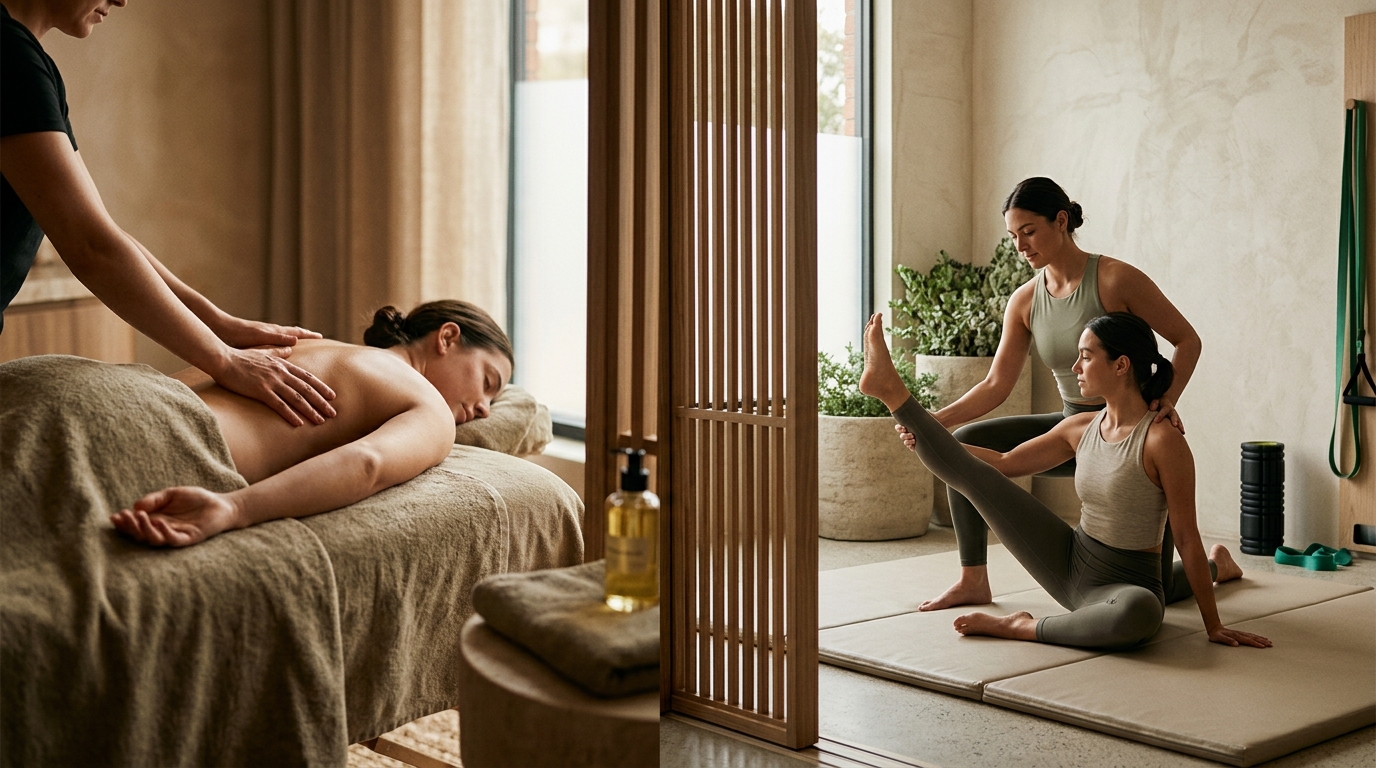
Massage Therapy vs. Assisted Stretching: Which Recovery Method Suits Your Needs?
Recovery is not merely a luxury for athletes; it is a physiological necessity for anyone seeking to maintain long-term physical health. According to recent industry data, over 60% of adults report experiencing chronic muscle tension or stiffness due to sedentary lifestyles, highlighting the urgent need for effective intervention strategies. While traditional massage therapy has long been the gold standard for soft tissue manipulation, assisted stretching has emerged as a powerful, evidence-based alternative that targets range of motion and structural alignment. Understanding the distinct benefits of each method allows you to make an informed decision that aligns with your specific physical goals, whether they involve injury prevention, performance enhancement, or general stress relief. (About 8211 Limbr)
Understanding the Mechanisms: How They Work
To compare these two modalities effectively, we must first define their operational mechanics. Massage therapy is a systematic manipulation of the body's soft tissues, including muscles, connective tissue, tendons, and ligaments, to enhance function and promote relaxation. It relies on pressure, kneading, and friction to increase blood flow and reduce muscle tension. In contrast, assisted stretching is a guided physical therapy technique where a practitioner uses leverage and body weight to move a client's joints through their full range of motion. This method focuses on lengthening shortened muscles and improving joint mobility rather than just relaxing the tissue.
At LIMBR, we specialize in bridging the gap between these two approaches. Our facility in Bahrain is designed to offer both deep tissue work and dynamic mobility training, ensuring that clients receive a holistic recovery experience. The distinction lies in the primary outcome: massage often targets immediate pain relief and circulation, while assisted stretching targets long-term flexibility and structural balance.
The Core Benefits of Massage Therapy
Massage therapy remains a cornerstone of wellness for its ability to address acute discomfort and promote deep relaxation. The physiological response to massage includes the release of endorphins and serotonin, which naturally elevate mood and reduce the perception of pain. For individuals dealing with high-stress environments or chronic pain conditions, the immediate soothing effect of massage can be transformative.
One of the primary advantages of massage is its ability to break down adhesions, commonly known as knots, within the muscle fibers. These adhesions can restrict blood flow and cause referred pain. By applying targeted pressure, therapists can restore normal tissue texture and function. Furthermore, massage is highly effective for post-workout recovery by helping to flush out metabolic waste products like lactic acid from the muscles.
However, massage is not always the most efficient method for improving joint mobility. While it relaxes the muscle, it does not necessarily lengthen the muscle fiber or improve the range of motion around a joint. This is where the limitations of massage become apparent for athletes or individuals with stiff joints.
The Core Benefits of Assisted Stretching
Assisted stretching offers a different set of advantages, particularly for those looking to improve their physical performance and prevent future injuries. The primary benefit is the significant increase in flexibility and range of motion. By actively moving a joint through its full arc, assisted stretching helps to reset the muscle's resting length, allowing for greater freedom of movement.
This method is particularly effective for correcting postural imbalances. Many individuals suffer from tight hip flexors or rounded shoulders due to prolonged sitting. Assisted stretching can directly target these areas, pulling them back into alignment and reducing the strain on the spine. This proactive approach to wellness is crucial for preventing the degenerative effects of a sedentary lifestyle.
Additionally, assisted stretching is often less invasive than deep tissue massage. For clients who are sensitive to pressure or have conditions that make deep tissue work painful, assisted stretching provides a gentler yet highly effective alternative. It also encourages active participation from the client, fostering a better mind-body connection and awareness of physical limitations.
Comparative Analysis of Recovery Modalities
The following table summarizes the key differences between massage therapy and assisted stretching to help you decide which service aligns best with your current physical needs.
| Feature | Massage Therapy | Assisted Stretching |
|---|---|---|
| Primary Goal | Pain relief and relaxation | Improved flexibility and mobility |
| Technique | Kneading, friction, pressure | Leverage, stretching, joint movement |
| Best For | Acute muscle tension, stress | Postural correction, injury prevention |
| Duration of Effect | Immediate relief, short-term | Progressive improvement, long-term |
| Pressure Level | Can be deep and intense | Generally gentle and controlled |
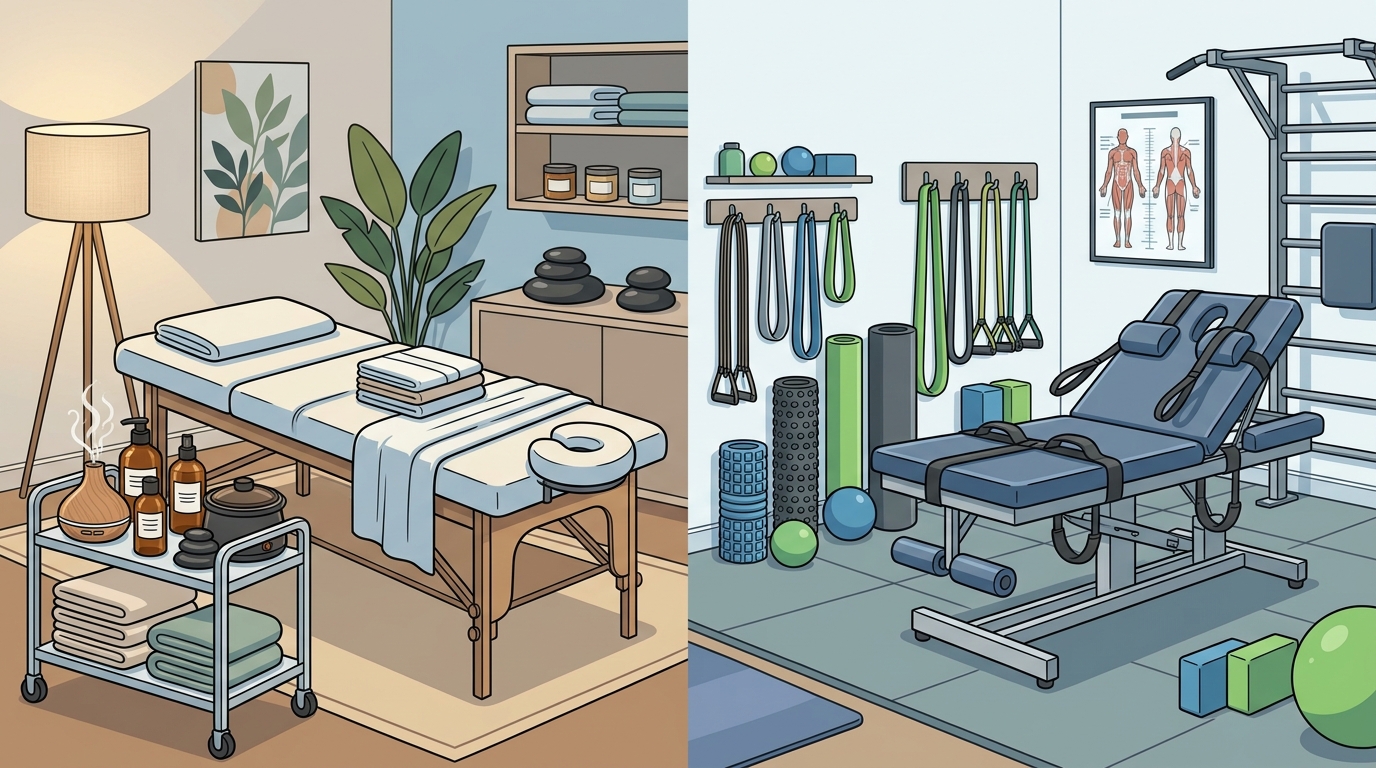
Key Takeaways
- Mechanism Difference: Massage manipulates soft tissue for relaxation, while assisted stretching moves joints for mobility.
- Pain Management: Massage is superior for immediate pain relief and breaking down muscle knots.
- Flexibility Gains: Assisted stretching provides more significant and lasting improvements in range of motion.
- Postural Health: Assisted stretching is more effective at correcting imbalances caused by sedentary behavior.
- Stress Relief: Massage triggers a stronger parasympathetic nervous system response, aiding in deep relaxation.
- Preventative Care: Regular assisted stretching can reduce the risk of future injuries by maintaining joint health.
- Complementary Nature: Combining both methods often yields the best overall wellness outcomes.
Frequently Asked Questions
Is assisted stretching painful?
Assisted stretching should never be painful. A skilled practitioner will guide you through movements that may feel intense but should remain within a comfortable range. The goal is to feel a gentle pull, not sharp pain.
Can massage therapy improve flexibility?
While massage can temporarily increase flexibility by relaxing tight muscles, it does not permanently lengthen the muscle fibers or improve joint range of motion as effectively as assisted stretching.
Which is better for athletes?
Both are beneficial, but assisted stretching is often preferred for pre- and post-game routines to optimize performance and prevent injury. Massage is excellent for deep recovery after intense physical exertion.
How often should I get massage or stretching?
For general wellness, once a month may suffice. For athletes or those with chronic pain, weekly sessions of either modality, or a combination of both, are often recommended for optimal results.
Do I need to book a consultation first?
It is highly recommended to have an initial consultation to assess your physical condition. This allows our experts at LIMBR to tailor the treatment plan to your specific needs.
Can I combine both services in one visit?
Yes, many clients benefit from a combined approach. For example, starting with assisted stretching to open up the joints, followed by massage to relax the tissues, can provide a comprehensive recovery experience.
Is assisted stretching suitable for seniors?
Yes, assisted stretching is highly suitable for seniors as it helps maintain joint mobility and balance, reducing the risk of falls and improving overall quality of life.
Choose Your Path to Wellness
Whether you choose the deep relaxation of massage therapy or the structural realignment of assisted stretching, both methods offer profound benefits for your physical and mental health. At LIMBR, we invite you to experience the difference that specialized care can make. Our team of experts is ready to guide you toward a healthier, more flexible lifestyle. Explore our tailored programs today and take the first step toward unlocking your body's true potential. View our class schedule to find the perfect session for your needs.