
Massage Therapy vs. Assisted Stretching: Which Recovery Method Is Right for You?
Recovery is not merely a luxury; it is a physiological necessity for anyone engaged in physical activity or managing a sedentary lifestyle. According to recent wellness industry reports, over 60% of adults experience chronic muscle tension that directly impacts their daily mobility and mental health. While many seek quick fixes, the debate between massage therapy and assisted stretching often confuses individuals looking for long-term structural improvement. Understanding the distinct mechanisms of each modality is critical for optimizing your physical well-being and preventing future injuries.
Understanding the Core Mechanisms
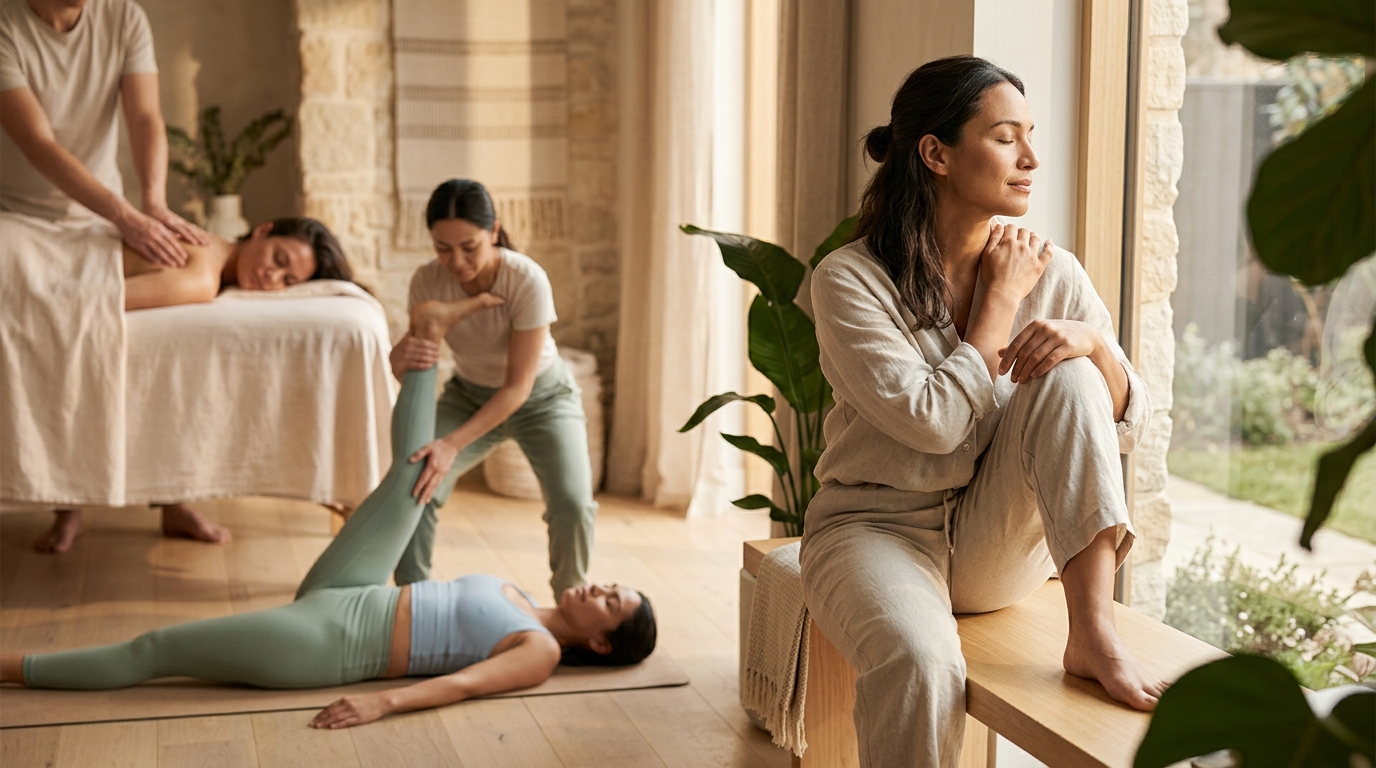
To make an informed decision, you must first understand how each therapy interacts with your body. Massage therapy primarily targets the soft tissue through manual manipulation. It focuses on increasing blood flow, reducing muscle spasms, and promoting relaxation. In contrast, assisted stretching is a passive form of exercise where a therapist guides your limbs through a range of motion. This process physically lengthens the muscle fibers and improves joint mobility.
At LIMBR, we recognize that these two methods serve different primary functions. Massage is often reactive, addressing pain and tension after they have occurred. Assisted stretching is proactive, aiming to correct imbalances and enhance functional movement patterns. Both are essential components of a holistic wellness strategy, but they achieve their results through fundamentally different physiological pathways.
The Deep Tissue Benefits of Massage
Massage therapy has been utilized for centuries to alleviate physical and mental stress. The primary benefit of massage lies in its ability to stimulate the parasympathetic nervous system. This shift from a "fight or flight" state to a "rest and digest" state lowers cortisol levels and promotes deep relaxation. For individuals dealing with high-stress environments or acute muscle pain, massage provides immediate symptomatic relief.
One of the most significant advantages of massage is its impact on circulation. Data from clinical studies indicates that deep tissue massage can increase blood flow to targeted areas by up to 200%, which accelerates the removal of metabolic waste products like lactic acid. This enhanced circulation brings fresh oxygen and nutrients to damaged tissues, speeding up the repair process. Additionally, massage helps break down adhesions, or "knots," in the muscle fibers that restrict movement and cause pain.
However, massage is not always the most effective tool for improving long-term flexibility. While it relaxes the muscle, it does not necessarily lengthen the connective tissue or improve the range of motion in the joints. For those seeking to enhance their physical performance or correct postural issues, massage alone may provide only temporary relief. This is where the integration of other modalities becomes crucial for comprehensive care.
The Structural Advantages of Assisted Stretching
Assisted stretching, also known as passive stretching, offers a unique approach to recovery by focusing on structural integrity and mobility. Unlike self-stretching, where you may hesitate to push past discomfort, a trained therapist can safely guide your body into deeper ranges of motion. This passive approach allows the muscles to relax completely, enabling a more effective stretch without the risk of overexertion.
The primary benefit of assisted stretching is the improvement of joint mobility and flexibility. Research published in sports medicine journals suggests that regular flexibility training can reduce the risk of injury by 50% in athletic populations. By systematically lengthening tight muscles and releasing tension in the fascia, assisted stretching helps restore the body's natural alignment. This is particularly beneficial for individuals with sedentary lifestyles, who often suffer from shortened hip flexors and tight hamstrings due to prolonged sitting.
Furthermore, assisted stretching enhances proprioception, which is your body's ability to sense its position in space. Improved proprioception leads to better balance, coordination, and overall movement efficiency. At LIMBR, our mobility classes are designed to integrate these benefits, ensuring that clients not only feel relaxed but also move with greater freedom and confidence. This proactive approach to wellness helps prevent the chronic pain and stiffness that often accompany aging and inactivity.
Comparative Analysis of Recovery Modalities
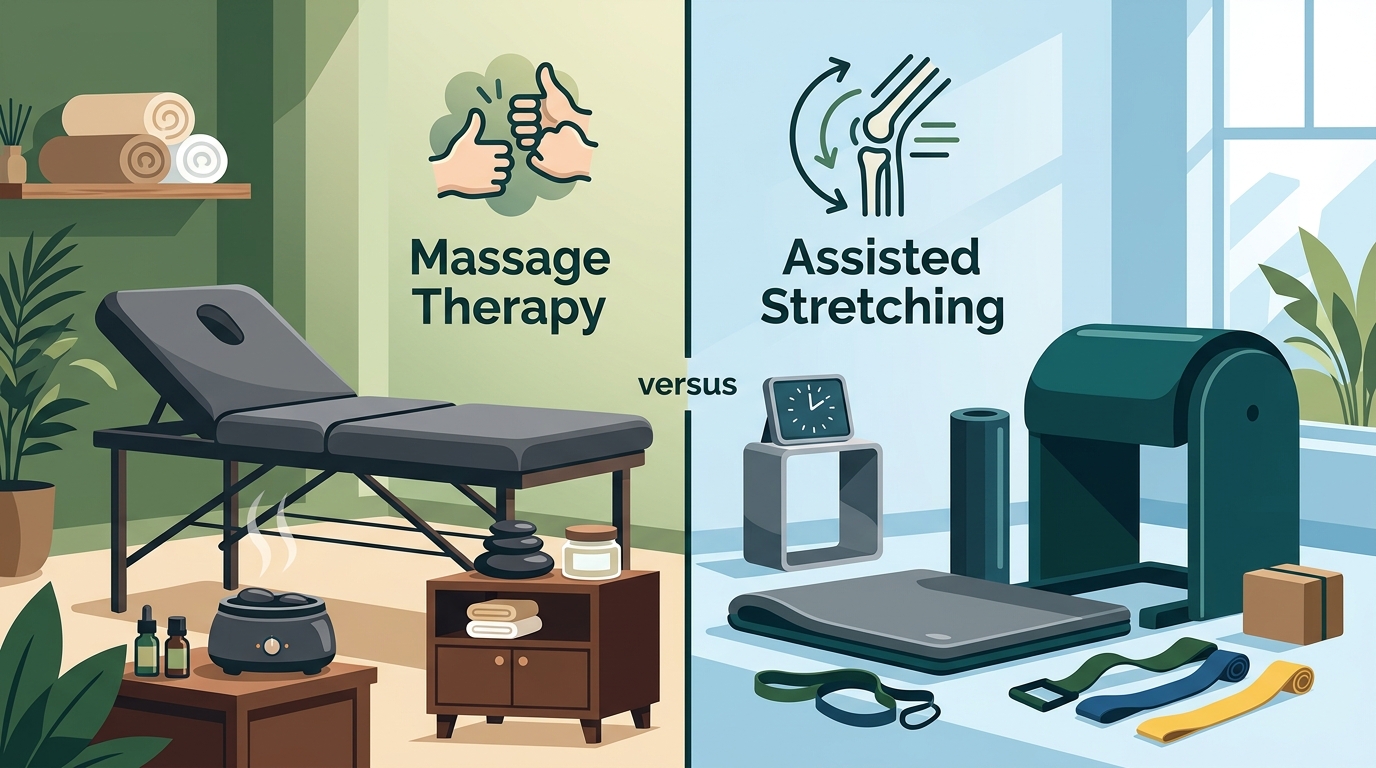
Choosing between massage therapy and assisted stretching depends on your specific goals and current physical condition. The table below outlines the key differences to help you decide which modality, or combination of both, is right for you.
| Feature | Massage Therapy | Assisted Stretching |
|---|---|---|
| Primary Goal | Relaxation and pain relief | Improved flexibility and mobility |
| Target Area | Soft tissue and muscle knots | Joint range of motion and fascia |
| Physiological Effect | Increased blood flow and circulation | Lengthening of muscle fibers |
| Best For | Acute pain and stress reduction | Chronic stiffness and injury prevention |
| Duration of Relief | Short to medium term | Long-term structural improvement |
It is important to note that these modalities are not mutually exclusive. Many wellness experts recommend a combination of both for optimal results. For instance, massage can be used to relax tight muscles before a stretching session, allowing for a deeper and more effective stretch. Conversely, assisted stretching can help maintain the gains made during massage by ensuring the muscles remain lengthened and functional.
Key Takeaways for Your Recovery Strategy
- Mechanism of Action: Massage therapy works by manipulating soft tissue to increase blood flow and reduce tension, while assisted stretching physically lengthens muscle fibers to improve joint mobility.
- Injury Prevention: Regular assisted stretching has been linked to a significant reduction in injury rates by correcting muscle imbalances and enhancing flexibility.
- Circulation Benefits: Deep tissue massage can increase local blood flow by up to 200%, aiding in the rapid removal of metabolic waste products.
- Sedentary Lifestyle Impact: Assisted stretching is particularly effective for counteracting the effects of prolonged sitting, such as tight hip flexors and lower back pain.
- Stress Reduction: Massage therapy is superior for immediate stress relief and activating the parasympathetic nervous system.
- Comprehensive Care: Combining both modalities offers the most robust recovery strategy, addressing both immediate pain and long-term structural health.
- Professional Guidance: Both therapies require trained professionals to ensure safety and effectiveness, minimizing the risk of injury.
Frequently Asked Questions
Is assisted stretching better than massage for flexibility?
Yes, assisted stretching is generally more effective for improving long-term flexibility and joint range of motion. While massage relaxes muscles, it does not physically lengthen them. Assisted stretching actively works to extend the muscle fibers and fascia, leading to sustainable improvements in mobility.
Can I receive both massage and assisted stretching in one session?
Absolutely. Many clients at LIMBR benefit from a combined approach. Massage can be used to warm up and relax the muscles, making them more receptive to stretching. This synergy allows for a deeper stretch and more comprehensive relief.
How often should I get massage therapy?
The frequency of massage therapy depends on your individual needs and activity level. For general wellness, once a month may be sufficient. However, athletes or individuals with chronic pain may benefit from weekly sessions to manage tension and prevent injury.
Is assisted stretching safe for beginners?
Yes, assisted stretching is safe for beginners. A trained therapist will guide you through the movements at a pace that is comfortable for you. The passive nature of the therapy ensures that you are never forced into a position that causes pain, making it accessible to all fitness levels.
What is the difference between deep tissue massage and sports massage?
Deep tissue massage focuses on releasing chronic tension in the deeper layers of muscle and connective tissue. Sports massage is tailored to athletes and focuses on preventing and treating injuries, enhancing performance, and aiding in recovery. Both can be beneficial depending on your specific goals.
Does assisted stretching help with back pain?
Yes, assisted stretching can be highly effective for back pain, especially if it is caused by tight hamstrings, hip flexors, or poor posture. By lengthening these muscles, assisted stretching helps restore proper spinal alignment and reduces strain on the lower back.
What should I wear to an assisted stretching session?
It is recommended to wear comfortable, flexible clothing that allows for a full range of motion, such as leggings and a fitted top. Avoid restrictive jeans or bulky jackets. At LIMBR, we provide a comfortable environment to ensure you can move freely during your session.
Begin Your Transformation at LIMBR
Whether you choose massage therapy, assisted stretching, or a combination of both, the key is to prioritize your recovery. At LIMBR, we offer a comprehensive range of services designed to help you move better, feel better, and live a healthier life. Our expert team is dedicated to providing personalized care that addresses your unique needs and goals.
Do not let pain and stiffness dictate your daily life. Take the first step towards a more flexible, pain-free future. Explore our tailored programs today and discover the transformative power of holistic wellness. Visit us at Pavilion Centre, Al Seef, Manama, Bahrain, or book your session online to start your journey to optimal health.