
Massage Therapy vs. Assisted Stretching: Which Recovery Method Suits You?
Recovery is the critical bridge between intense physical exertion and long-term health. According to recent industry data, over 60% of athletes and active individuals report that inadequate recovery leads to decreased performance and increased injury risk. In the modern wellness landscape, two modalities dominate the conversation: massage therapy and assisted stretching. While both aim to alleviate pain and improve mobility, they operate through fundamentally different physiological mechanisms. Understanding these differences is essential for optimizing your body's repair process.
Understanding the Core Mechanisms
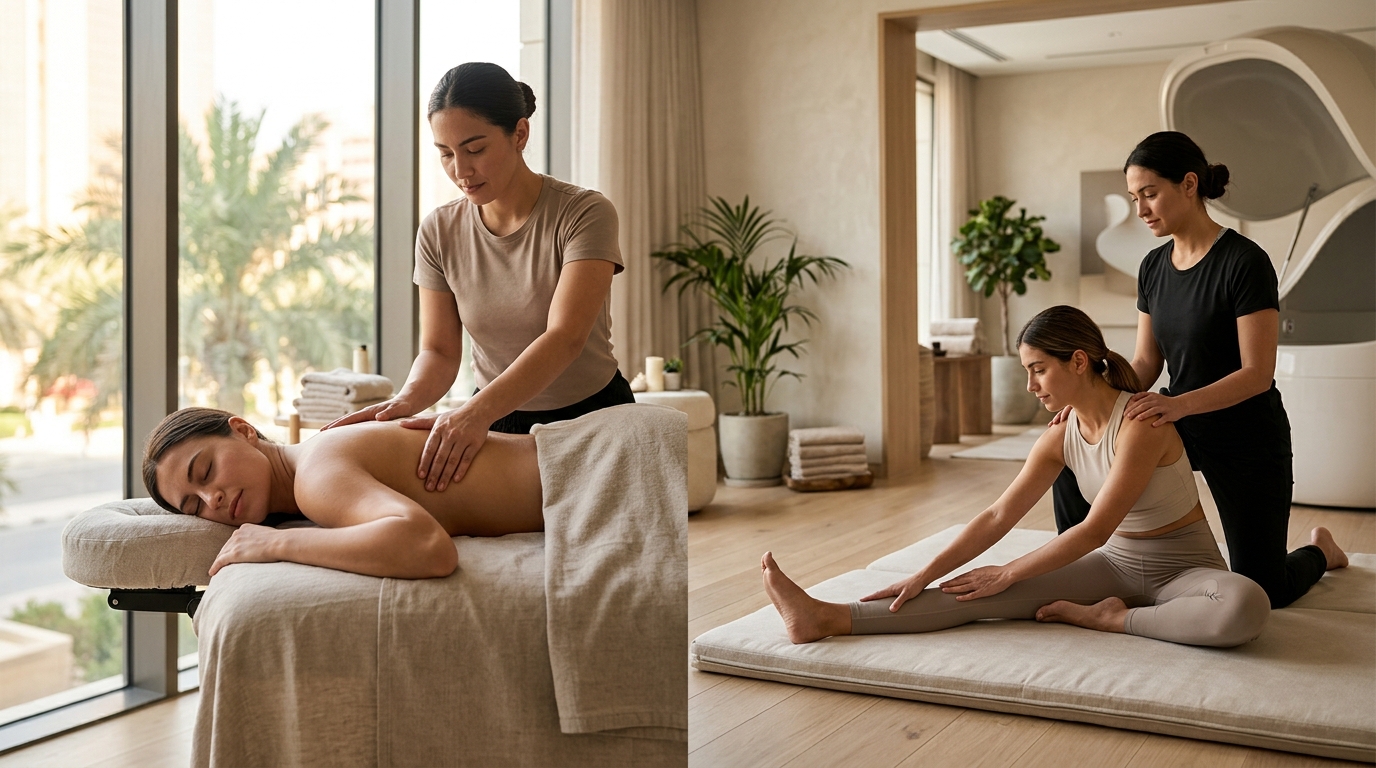
To make an informed decision, you must first understand how each therapy interacts with your body. Massage therapy is a manual technique that manipulates the soft tissues of the body, including muscles, connective tissue, tendons, and ligaments. Its primary goal is to reduce muscle tension, improve circulation, and promote relaxation through pressure and kneading.
Assisted stretching is a passive flexibility training method where a trained therapist guides your body through specific stretches. Unlike self-stretching, this method allows you to relax completely, enabling the therapist to safely take your joints through their full range of motion. The focus here is on lengthening muscle fibers and improving joint mobility rather than just relieving surface-level tension.
At LIMBR, we recognize that these are not mutually exclusive but rather complementary tools in a comprehensive wellness strategy. Our approach integrates both to address the root causes of stiffness and pain.
The Deep Tissue Benefits of Massage
Massage therapy is often the go-to solution for acute pain and deep-seated tension. It works by increasing blood flow to specific areas, which helps flush out metabolic waste products like lactic acid that accumulate during intense exercise. This process can significantly reduce muscle soreness and speed up the repair of micro-tears in muscle fibers.
One of the most significant advantages of massage is its impact on the nervous system. Deep tissue massage stimulates the parasympathetic nervous system, which is responsible for the "rest and digest" state. This leads to a reduction in cortisol levels, the primary stress hormone, and an increase in serotonin and dopamine. The result is not just physical relief but also a profound sense of mental calm and improved sleep quality.
For individuals dealing with chronic pain conditions, such as lower back pain or fibromyalgia, regular massage sessions can provide long-term relief by breaking up adhesions and scar tissue. Our therapeutic services at LIMBR include specialized modalities designed to target these specific issues, ensuring that you receive targeted care for your unique physical needs.
The Structural Advantages of Assisted Stretching
While massage addresses the texture and tension of the muscle, assisted stretching addresses the length and flexibility of the muscle-tendon unit. As we age, our natural range of motion decreases due to a process known as disuse atrophy. Assisted stretching combats this by actively lengthening shortened muscles and improving joint mobility.
A key benefit of assisted stretching is its ability to improve posture. Many modern lifestyles involve prolonged sitting, which leads to tight hip flexors and rounded shoulders. By systematically stretching these areas, assisted stretching helps realign the body, reducing the strain on the spine and neck. This structural correction can prevent future injuries and enhance overall movement efficiency.
Furthermore, assisted stretching is particularly effective for athletes looking to enhance performance. Greater flexibility allows for a wider range of motion in movements, which can lead to more powerful and efficient actions. Our mobility classes are designed to help you cultivate better body functionality, stability, and balance, making you more resilient in both sports and daily activities.
Comparative Analysis of Recovery Modalities
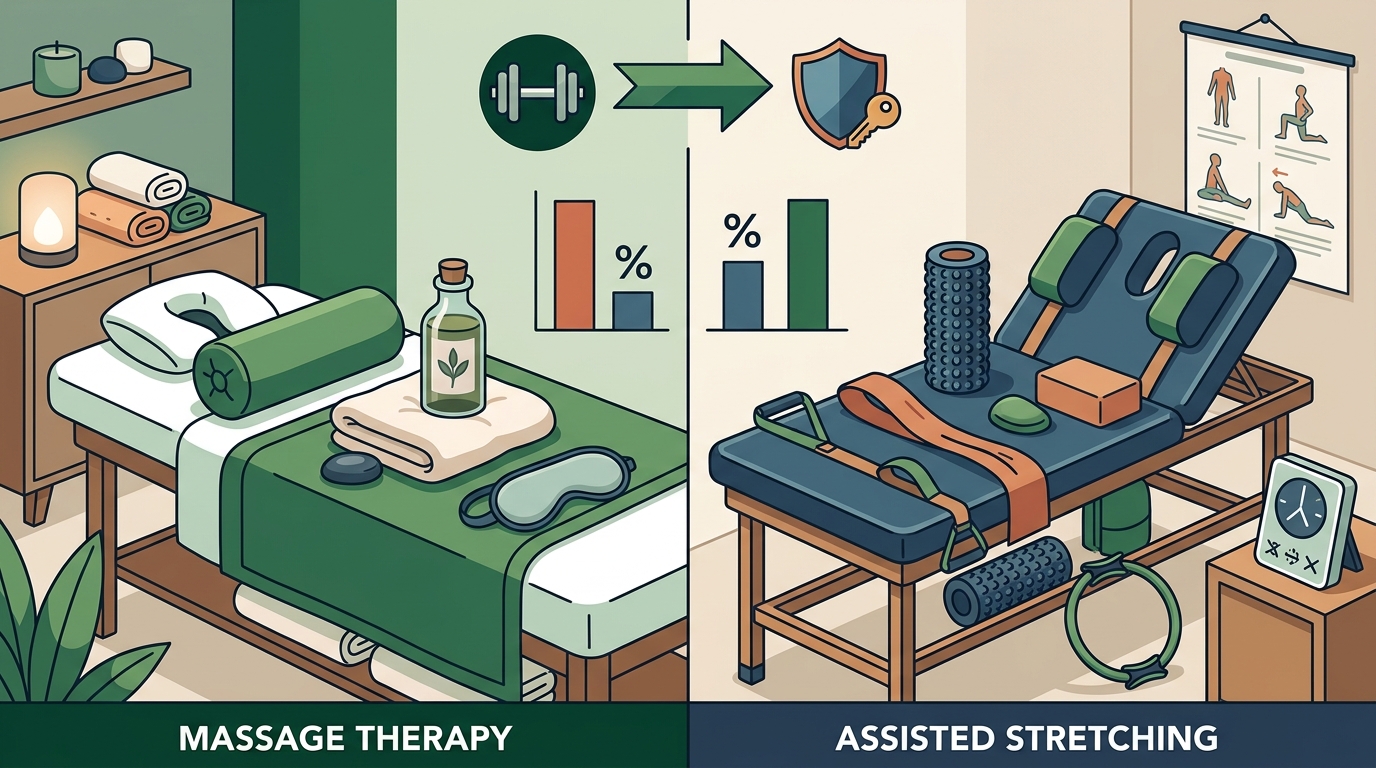
The following table outlines the primary differences between massage therapy and assisted stretching to help you decide which is best for your current needs.
| Feature | Massage Therapy | Assisted Stretching |
|---|---|---|
| Primary Goal | Relieve tension and improve circulation | Improve flexibility and range of motion |
| Best For | Acute pain, stress relief, muscle knots | Chronic stiffness, posture correction, injury prevention |
| Physiological Effect | Increases blood flow, reduces cortisol | Lengthens muscle fibers, activates Golgi tendon organs |
| Suitability | Those seeking relaxation and deep tissue work | Athletes and sedentary individuals needing mobility |
| Duration of Relief | Immediate relaxation, short-term pain relief | Long-term structural changes and improved mobility |
Key Takeaways for Your Routine
- Massage is for Relief: If you are dealing with acute pain, high stress, or muscle knots, massage therapy provides immediate relief and promotes relaxation.
- Stretching is for Structure: If you are looking to improve your posture, increase your range of motion, or prevent future injuries, assisted stretching is the superior choice.
- Complementary Benefits: Combining both modalities offers the most comprehensive recovery strategy, addressing both the symptoms and the root causes of physical discomfort.
- Personalized Care: At LIMBR, we tailor our services to your specific lifestyle, whether you are an athlete or a professional with a sedentary job.
- Consistency is Key: Regular sessions of either modality are more effective than occasional intensive treatments for long-term health.
- Expert Guidance: Our certified trainers ensure that assisted stretching is performed safely, maximizing benefits while minimizing the risk of injury.
- Holistic Wellness: Both therapies contribute to mental well-being by reducing stress and improving overall quality of life.
Frequently Asked Questions
Can I do both massage and assisted stretching in the same week?
Yes, combining both modalities is highly recommended for optimal recovery. Many clients find that alternating between the two provides a balanced approach to maintaining physical health.
Which is better for post-workout recovery?
Assisted stretching is often preferred immediately after intense workouts to help lengthen muscles and reduce stiffness. Massage can be beneficial for deeper recovery but may be too intense for freshly fatigued muscles.
Is assisted stretching painful?
Assisted stretching should never be painful. Our therapists at LIMBR work within your comfort zone, using gentle pressure to guide you into deeper stretches while you remain relaxed.
How often should I get a massage?
The frequency depends on your activity level and goals. For general wellness, once a month may suffice. For athletes or those with chronic pain, weekly sessions may be more beneficial.
Does LIMBR offer packages for both services?
Yes, we offer tailored programs that integrate both massage and stretching to meet your specific wellness goals. Visit our services page for more details.
Can assisted stretching help with back pain?
Absolutely. By addressing tightness in the hips, hamstrings, and lower back, assisted stretching can significantly alleviate pressure on the spine and reduce back pain.
What is the difference between deep tissue massage and regular massage?
Deep tissue massage targets the deeper layers of muscle and connective tissue, using slower strokes and more pressure to release chronic tension, whereas regular massage focuses on overall relaxation and circulation.
Begin Your Recovery Journey
Whether you choose massage therapy, assisted stretching, or a combination of both, the most important step is taking action. At LIMBR, we are dedicated to helping you unlock your body's true potential through evidence-based mobility and holistic wellness therapies. Our state-of-the-art facilities in Manama, Bahrain, provide the perfect environment for your recovery.
Do not let pain and stiffness dictate your life. Take control of your health today. Book your session now and experience the transformative power of professional recovery care.