
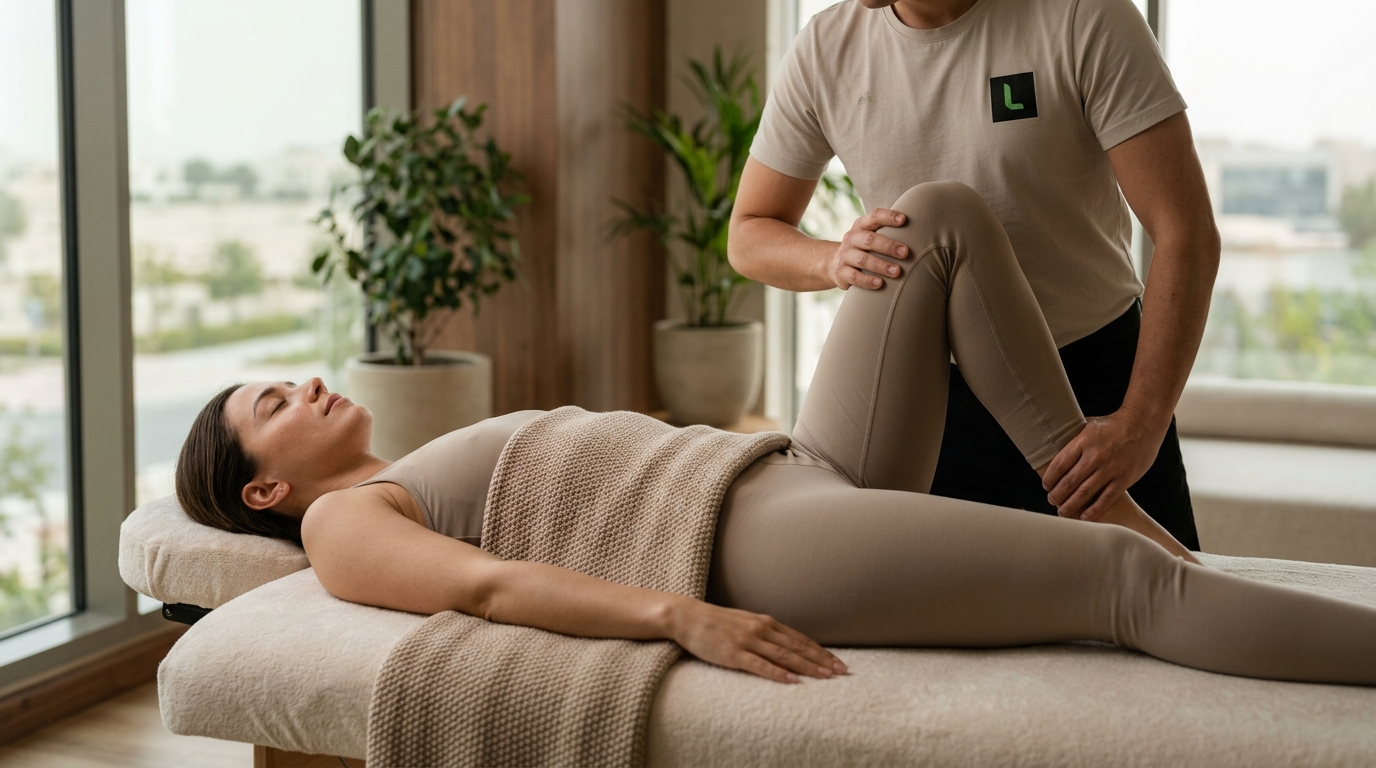
Assisted stretching is a guided mobility practice where a trained professional uses their hands, body weight, or tools to help you achieve deeper ranges of motion safely. At LIMBR, we focus on how this hands-on approach calms the body by shifting the nervous system from a state of alertness to one of rest and repair. This article explores the specific physiological mechanisms that make assisted stretching a powerful tool for nervous system regulation.
1. Reducing Muscle Tension Triggers the Relaxation Response
Releasing physical tightness directly signals the brain to lower stress hormones. When muscles are chronically tight, the body often remains in a state of low-grade physical stress. Assisted stretching helps release this tension, which in turn reduces the production of cortisol and adrenaline. As these stress markers decrease, the parasympathetic nervous system can take over, promoting a state of calm.
2. Slow, Rhythmic Breathing Enhances Vagal Tone
Guided breathing during stretching stimulates the vagus nerve to slow the heart rate. The vagus nerve is a key component of the parasympathetic system. During assisted stretching sessions, practitioners often guide you to breathe slowly and deeply. This rhythmic breathing pattern increases vagal tone, which sends signals to the heart to beat more slowly and steadily, reinforcing a relaxed state.
3. Proprioceptive Input Calms the Central Nervous System
Safe, guided movement provides the brain with reassuring sensory data. Proprioception is the body's ability to sense its position in space. When a professional guides your movement, they provide consistent and safe proprioceptive input. This helps the central nervous system feel secure, reducing the need for defensive muscle guarding and allowing the parasympathetic system to activate.
4. Lowering Heart Rate Variability Indicates Deep Rest
Assisted stretching helps stabilize heart rate patterns associated with recovery. Heart rate variability (HRV) is a measure of the time variation between heartbeats. Higher HRV is generally associated with better parasympathetic activity. By reducing physical strain and promoting relaxation, assisted stretching can help improve HRV, indicating that your body is effectively entering a rest-and-digest mode.
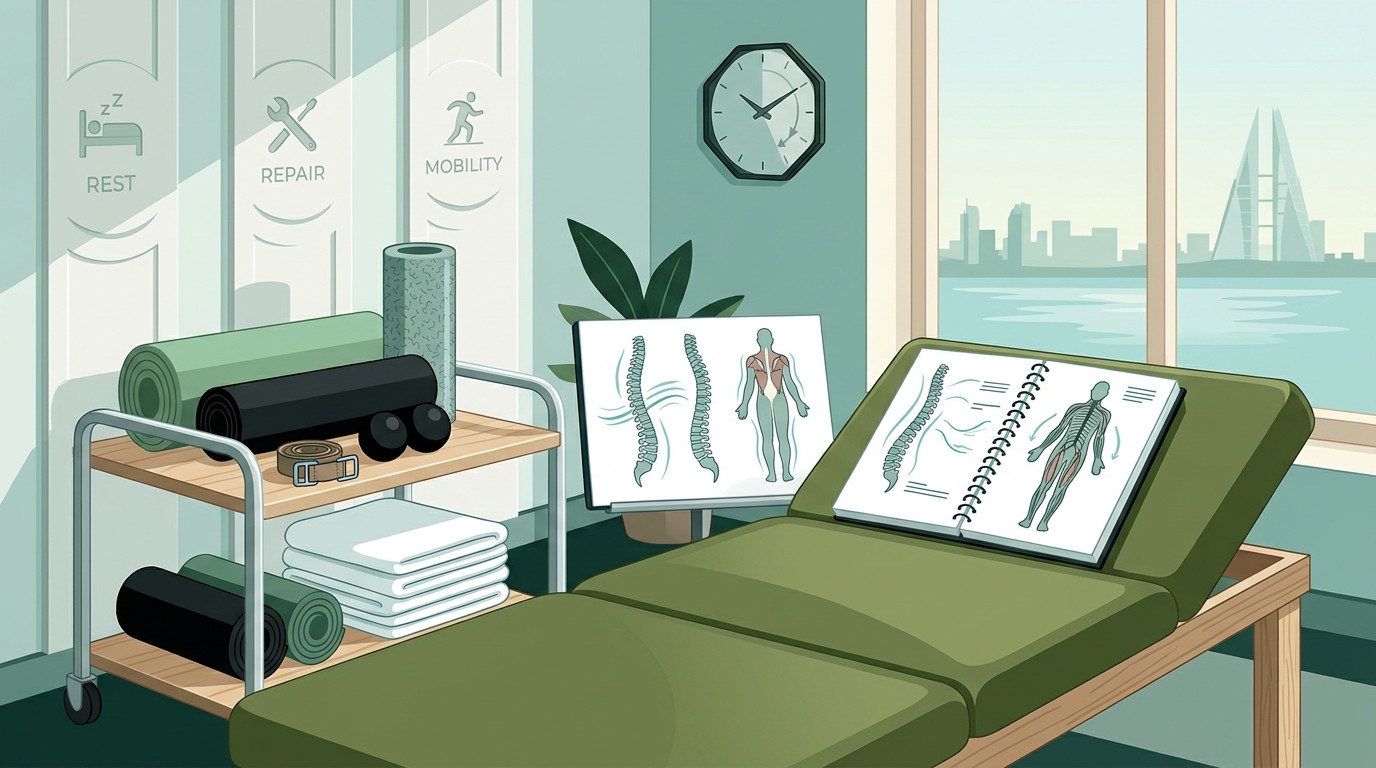
5. Reducing Perceived Stress Through Mindful Focus
Concentrating on the stretch helps shift attention away from mental stressors. The act of focusing on the physical sensation of a stretch can serve as a form of mindfulness. This shift in attention helps reduce the cognitive load associated with daily stress. As mental tension decreases, the parasympathetic nervous system is better able to regulate bodily functions like digestion and immune response.
6. Improving Blood Flow Supports Tissue Repair
7. Creating a Safe Environment for Nervous System Downshifting
Professional guidance creates a sense of safety that allows the body to let go. The parasympathetic nervous system only fully activates when the brain perceives the environment as safe. Working with a trained professional at LIMBR provides a structured and safe setting for movement. This sense of security allows the body to release deep-seated tension and fully engage in the relaxation response.
Choosing the Right Approach
When selecting a method to activate your parasympathetic nervous system, consider your current stress levels and physical comfort. If you struggle with self-regulation, the guided nature of assisted stretching may be more effective than solo stretching. Always listen to your body and choose a pace that feels safe and sustainable.
Frequently Asked Questions
How long does it take to feel the effects of assisted stretching?
Many people report feeling a sense of calm and reduced tension immediately after a session. However, consistent practice over several weeks is often needed to see lasting improvements in nervous system regulation and overall flexibility.
Is assisted stretching suitable for beginners?
Yes, assisted stretching is generally suitable for beginners because the professional controls the intensity and range of motion. This makes it a safe entry point for those who may not be familiar with their own body's limits.
Can assisted stretching help with anxiety?
While assisted stretching is not a treatment for clinical anxiety, it can help reduce physical symptoms of stress by activating the parasympathetic nervous system. This can contribute to an overall sense of well-being and relaxation.
How often should I do assisted stretching for nervous system benefits?
For optimal nervous system regulation, it is recommended to engage in assisted stretching one to two times per week. Consistency is key to training the body to shift into a relaxed state more easily.
What is the difference between assisted stretching and self-stretching?
Assisted stretching involves a professional guiding your movements, which allows for deeper and safer ranges of motion. Self-stretching relies on your own strength and awareness, which may limit the depth of the stretch and the degree of nervous system relaxation achieved.
Start Your Journey at LIMBR
Experience the calming benefits of assisted stretching at LIMBR in Manama, Bahrain. Our expert trainers are dedicated to helping you unlock your body's potential and achieve a balanced, active lifestyle. Explore our services to find the right fit for your wellness goals.